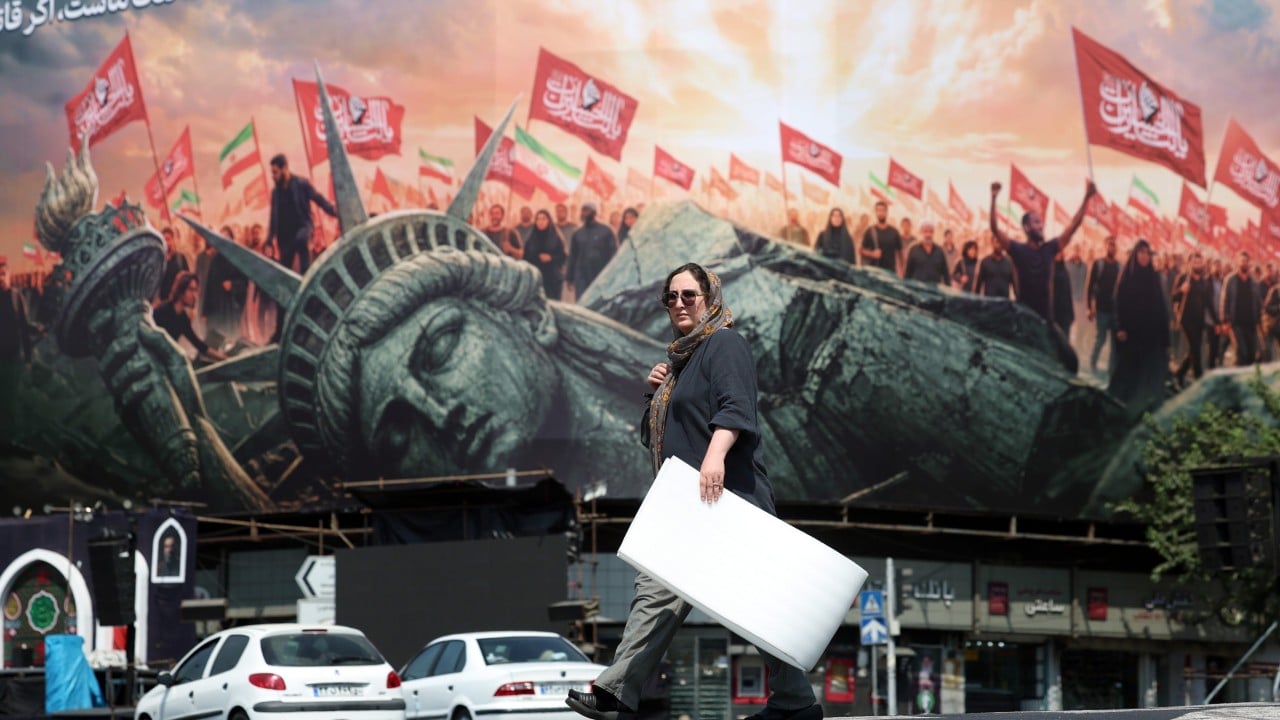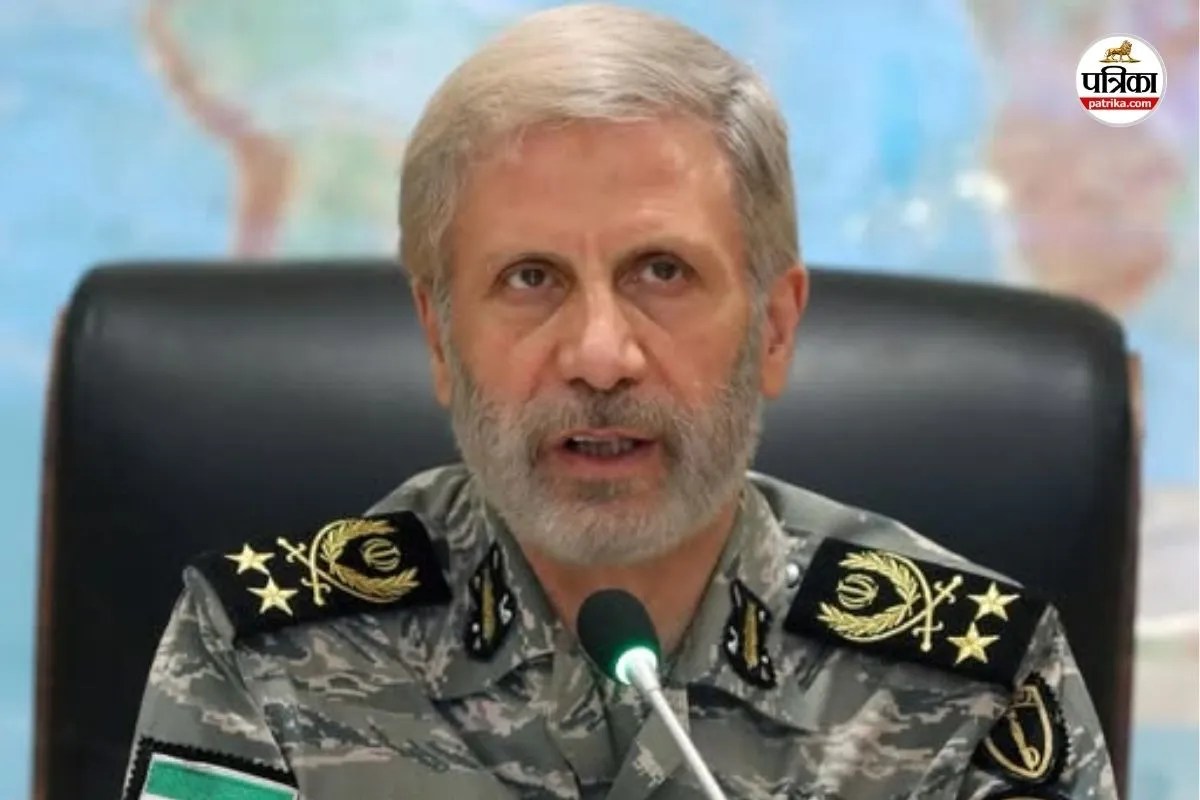
The Strait of Hormuz isn't just another stretch of water on a map. It's the jugular vein of the global energy supply. When you hear Iranian military commanders talking about breaking legs, they aren't just blowing off steam. They are signaling that they control the valve for roughly 20 to 30 percent of the world’s total oil consumption.
The latest posturing between Tehran and Washington, specifically the explosive rhetoric from Iranian military leadership aimed at Donald Trump, highlights a terrifying reality. We’re witnessing a high-stakes standoff where one wrong move could trigger a massive energy crisis.
Why This Matters To You
You might think Middle Eastern military posturing is something you can ignore from thousands of miles away. You’re wrong. Any sustained blockade or conflict in the Strait of Hormuz will cause oil prices to spike immediately. That means higher gas prices at your local pump. It means shipping costs for literally everything you buy will jump.
The Iranian military's declaration that they are ready to retaliate against any American incursion into what they consider their sovereign water isn't new. However, the tone has shifted. They've moved from defensive warnings to proactive threats, including bounties on military personnel. This signals a level of frustration and desperation that is honestly quite dangerous.
The Geography Of The Threat
Look at a map of the Persian Gulf. The Strait of Hormuz is incredibly narrow at its chokepoint. It’s about 21 miles wide at its narrowest point. This is what makes it so defensible for Iran and so vulnerable for international shipping.
Iran has spent years investing in "asymmetric warfare." They don't need a massive, conventional navy to threaten the US. They use:
- Fast-attack swarming speedboats.
- Advanced sea-skimming anti-ship missiles.
- Thousands of sea mines that are notoriously difficult to clear.
- Persistent cyber surveillance and electronic warfare capabilities.
They basically figured out that if you can’t win a fair fight, you make the cost of the fight so high that your opponent decides it isn't worth it.
The Logic Behind The Rhetoric
Why is Iran being so aggressive right now? It's largely about deterrence. They are terrified of losing their primary leverage point in the region. By setting clear, violent boundaries—threatening to "break legs" of those who look at the Strait the wrong way—they are trying to establish a permanent psychological barrier for the US military.
They’ve gone as far as claiming they’ve pushed US forces out of the immediate vicinity. While that’s clearly disputed by Washington, the perception matters to them. They need their domestic audience and regional proxies to believe that they are calling the shots.
What Real Stability Looks Like
True stability in the region requires more than just tough talk. It requires a diplomatic framework that addresses the core security concerns of all parties. That is currently nonexistent. The current strategy of escalation, sanctions, and retaliatory threats just keeps the pressure cooker on high heat.
If you are paying attention to the global markets, keep an eye on shipping insurance premiums for vessels entering the Gulf. When those premiums skyrocket, it’s a much more accurate signal of impending conflict than any press release or military speech.
Practical Realities
We are in a volatile period. If you have interests in energy, shipping, or geopolitical risk, don’t take these threats at face value, but don't dismiss them either. The reality is that both sides are playing a dangerous game of brinkmanship. They know that a full-scale war is mutually destructive.
The strategy for everyone involved right now is to push as hard as possible without crossing that final red line. The problem? Nobody can agree on exactly where that line is. Stay informed, watch the oil markets, and expect volatility to remain the baseline for the foreseeable future. There’s no simple fix for a geopolitical standoff this deeply entrenched. Just be prepared for the ripples to hit your wallet.