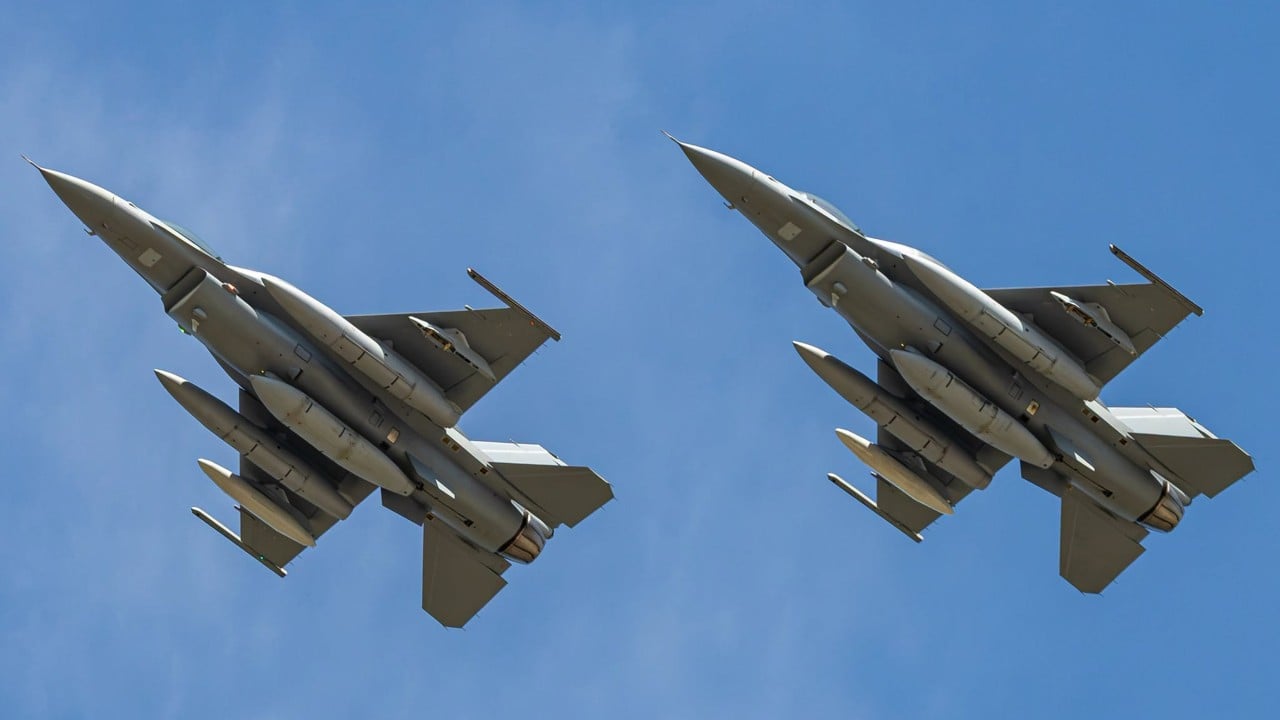
Tensions at the Strait of Hormuz don't just affect military budgets. They dictate whether you pay five dollars for a gallon of gas tomorrow morning. When major political shifts happen—like the sudden halt of planned military strikes involving Iran—the media treats it like a temporary soap opera. It is not. It is a masterclass in how fragile modern energy grids actually are.
Let's cut through the noise. Why does this choke point matter so much, and what does the temporary halt of a strike really mean for the international stage?
The Geography of Vulnerability
Geography is destiny. The Strait of Hormuz is barely twenty-one miles wide at its narrowest point, yet roughly a fifth of the world's petroleum passes right through it. Tankers squeeze through narrow shipping lanes where a single blockade can instantly paralyze global trade.
When political leaders rattle sabers near this corridor, markets panic. Energy traders don't wait for bombs to drop. They react to the threat of disruption. That is why oil prices spike the second a headline mentions a cancelled or halted attack.
Behind the Sudden Halt
Halting a military response sounds like de-escalation on paper. Reality is messier. Real-world geopolitics involves backdoor diplomatic channels, frantic intelligence briefings, and stark economic warnings from allies who rely heavily on uninterrupted crude shipments.
When leaders pull back from the brink, it usually signals behind-the-scenes deterrence rather than sudden peace. Economic costs get weighed against strategic goals. In this specific standoff, the fear of an oil shock crashing global financial markets played a massive role in cooling hot tempers.
What the Headlines Miss
Most mainstream reports focus strictly on the political theatre. Who said what. Which official posted a warning. They skip the systemic risk.
- Shipping Insurance: War-risk premiums skyrocket overnight, making transit economically painful even if no ships get physically hit.
- Alternative Routes: Pipelines exist, but they cannot handle the sheer volume carried by supertankers.
- Supply Chains: A hiccup in Persian Gulf exports triggers immediate ripple effects across manufacturing, agriculture, and transportation worldwide.
Protecting Yourself From Price Shocks
You can't control international diplomacy. You can adapt to its fallout. Energy volatility hits everyday budgets hardest through fuel and goods transportation costs. Keeping an eye on strategic petroleum reserves and international trade updates gives you a clearer picture of where your household expenses are heading long before they hit the pump.
The standoff near Iran isn't over. It is simply paused, waiting for the next diplomatic spark or miscalculation. Stay alert, look past the surface-level panic, and watch the shipping data instead of the talking heads.