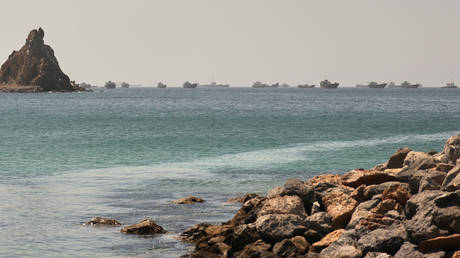
The geopolitical chess match in the Middle East just escalated again. A cargo vessel sailing near the coast of Oman took a hit from an unknown projectile inside the Strait of Hormuz. This violent interruption happened hours after Washington issued severe ultimatums. If you are watching global energy markets or international shipping lanes, this flashpoint dictates everything right now.
Let us look past the rhetoric. The real question is whether diplomatic channels can survive a daily barrage of mixed signals, blockades, and military posturing.
The Anatomy of a High-Stakes Brinkmanship
Washington and Tehran are playing a dangerous game of public contradiction. U.S. leadership recently declared that peace talks were actively underway, framing the moment as Tehran's absolute final opportunity to cut a deal before facing a severe military escalation. Yet, officials in Tehran flatly deny that any direct negotiations with the United States are happening.
Instead, Iranian diplomats maintain that their only active dialogue is with Oman. They are focusing narrowly on temporary arrangements for regional maritime routing. This disconnect exposes a deep structural flaw in current diplomatic efforts. You cannot broker a lasting regional settlement when both sides refuse to sit at the same table.
President Donald Trump pulled back from authorizing massive airstrikes at the eleventh hour, citing diplomatic openings. This fits a repeating pattern seen over the five-month conflict. Threaten massive force, pull back at the last minute, and claim a breakthrough is imminent.
What the Shipping Incident Tells Us
The commercial vessel strike near Al Khasab highlights the severe vulnerability of global supply chains. The Strait of Hormuz typically handles roughly a fifth of the world's petroleum and liquefied natural gas. Today, that artery is choked.
Traffic through the corridor has plummeted from over a hundred commercial transits daily down to a handful. The U.S. Navy enforces a tight blockade, claiming absolute control over the waterway and intercepting dozens of commercial vessels. Meanwhile, regional proxies and uncertain security conditions mean that any ship transiting the corridor faces immediate peril.
Insurance rates for Gulf shipping have skyrocketed. Crew safety is compromised, with dry bulk operators reporting abandoned vessels and missing personnel. Shipping companies are no longer willing to take financial gambles on a waterway turned war zone.
Economic Aftershocks and Energy Realities
Global markets react instantly to these tensions. Oil prices spiked by nearly three percent following reports of the Hormuz projectile strike and the ensuing diplomatic stalemate. Investors oscillate wildly between optimism over rumored peace talks and panic when actual violence hits the water.
OPEC+ adjustments to production quotas offer little comfort when critical transit bottlenecks remain closed or heavily restricted. Energy security relies on predictability. Right now, predictability is entirely absent.
Where This Crisis Goes Next
The stated objective of U.S. strategy involves forcing a complete shift in Iranian policy, curbing regional ambitions, and neutralizing security threats. Conversely, Tehran aims to prove that disrupting regional stability and global energy flows carries a higher economic price for the West than accommodating Iranian terms.
Until one side blinks or a neutral mediator manages to bridge the widening chasm between direct and indirect talks, commercial shipping in the Gulf remains trapped in the crossfire. Watch the Omani-led backchannel negotiations. That is the only real diplomatic pulse left in a region marching closer to the edge.
Trump gives Iran 'last chance' as fuming Don holds peace talks after cancelling major strikes again
This video provides an up-close look at the diplomatic tensions and statements surrounding the ongoing crisis and recent U.S. policy decisions toward Iran.
http://googleusercontent.com/youtube_content/1