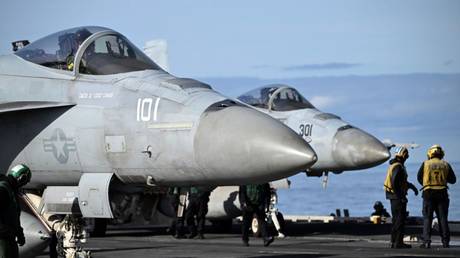
A fragile truce just shattered in the Persian Gulf, and the military exchanges trading hands between Washington and Tehran are no longer small-scale warning shots. Anyone watching the recent flare-up in the Strait of Hormuz knows the stakes shifted dramatically. Washington launched fresh air raids against coastal defense installations, communication hubs, and transport bridges across southern Iran. Tehran retaliated with missile and drone volleys toward regional bases and commercial shipping routes.
If you think this is just another round of political posturing, think again.
The belief that both sides can repeatedly trade blows without stepping over the point of no return is dangerous. When military strikes move from targeting isolated desert outposts to hitting vital trade routes, regional transit links, and energy infrastructure, the margin for error disappears.
Here is what is actually driving the renewed US Iran strikes, why the diplomatic off-ramps keep failing, and what this sudden escalation means for global energy stability.
The Illusion of Containment in the Strait of Hormuz
To understand why hostilities restarted, you have to look directly at the narrow strip of water separating the Iranian coastline from the Arabian Peninsula. Roughly twenty percent of the world's petroleum flows through the Strait of Hormuz. Control over that chokepoint gives any nation immense economic power.
Earlier agreements attempted to establish clear operational boundaries for commercial transit. That temporary understanding broke down almost immediately.
Tehran sought to enforce its own inspection protocols and transit fees on foreign tankers. Washington viewed those demands as an illegal blockade on international waters and responded with force.
When commercial vessels caught fire near the Omani coast following drone attacks, military action replaced diplomacy. US Central Command authorized strikes against drone assembly plants, coastal radar stations, and surface-to-air missile batteries.
Containment failed. Once the military objectives shifted to neutralizing coastal defenses, the idea of a targeted response evaporated.
Moving Beyond Military Targets to Infrastructure
Previous skirmishes were largely limited to hit-and-run strikes on isolated proxies or desert storage depots. The current campaign looks fundamentally different.
US air operations expanded toward civilian and logistics infrastructure in southern provinces like Hormozgan. Highway bridges, railway lines connecting major coastal ports to central inland cities, and regional power facilities took direct hits. The goal is clear: cut off logistical connectivity and force a diplomatic retreat by squeezing economic arterial lines.
That strategy carries massive risks.
Striking infrastructure changes public perception inside Iran. It turns a military dispute into a threat against basic domestic survival. Predictably, Tehran responded not by pulling back, but by expanding its own target list across the regional map.
Missiles targeted airbases and naval installations housing allied personnel in neighboring Gulf states. Water desalination plants and energy facilities faced incoming drone barrages.
When military planners target logistics networks, escalation becomes a self-fulfilling loop. Neither leadership group can afford to back down without looking defeated at home.
Why Peace Agreements Keep Falling Apart
Diplomats spent months trying to construct a durable framework in regional summits. A short-lived ceasefire gave observers temporary hope, and preliminary memorandums aimed to establish a long-term solution.
Yet every single draft agreement collapsed. Why?
Because the fundamental core issues were never resolved.
- Zero Bilateral Trust: Decades of sanctions, covert actions, and direct conflict wiped out foundational trust. Neither side believes the other will honor long-term commitments.
- Conflicting Demands over Hormuz: Washington insists on unrestricted global transit. Tehran views maritime traffic right off its southern border as a sovereign security issue and a bargaining chip.
- The Proxy Factor: Direct talks often ignore regional non-state actors. Even when Washington and Tehran discuss terms, action on peripheral fronts—like drone activity in the Red Sea or skirmishes along northern borders—instantly shatters fragile understandings.
The failure of recent peace talks proves that temporary ceasefires only buy time for military regrouping. Without a structural compromise on maritime access and regional deterrence, every truce will collapse under the weight of the very first tactical mistake.
The Horizontal Expansion of Conflict
A major war doesn't always begin with a single formal declaration. It often emerges as a slow, horizontal spread across multiple geographic theaters.
That horizontal expansion is happening right now.
Tehran encouraged affiliated groups throughout the region to re-open dormant fronts. Maritime choke points like the Bab el-Mandeb Strait near Yemen face renewed threats, forcing commercial shipping firms to reroute vessels thousands of miles around Africa.
At the same time, regional Gulf partners that previously tried to maintain neutral diplomatic stances are getting dragged into the crossfire. Hosting Western military assets makes their domestic infrastructure vulnerable to retaliatory drone and missile salvoes.
As air defense systems engage incoming threats over civilian centers from Kuwait to Bahrain, the conflict stops being a localized US-Iran issue. It becomes a regional crisis that pulls in international allies, trade blocs, and global energy markets.
Economic Aftershocks for Global Markets
You don't need to live in the Middle East to feel the immediate consequences of this confrontation.
The price of Brent crude jumped past ninety dollars per barrel almost immediately as news of the latest strikes reached trading desks. Insurance underwriters canceled coverage for tankers attempting to enter the Gulf, causing maritime traffic through the Strait of Hormuz to drop precipitously.
When oil transport slows, global inflation ticks upward. Supply chains already struggling with rising freight costs now face extended delays.
A prolonged conflict in the Gulf hits energy-importing nations hardest, particularly across Europe and Asia. Gas prices at the pump rise, manufacturing costs jump, and central banks find their anti-inflation strategies derailed overnight.
What Comes Next and What You Should Watch
Is a full-scale regional war guaranteed? Not necessarily, but the pathway toward de-escalation grows narrower by the day.
To track where this crisis is heading over the coming weeks, keep your eyes on these specific indicators:
- Targeting Shifts: Watch whether US strikes continue hitting transport infrastructure like bridges and ports, or pivot back strictly to air defense batteries. Striking civil infrastructure signals a longer, higher-intensity pressure campaign.
- Commercial Tanker Volume: Monitor daily vessel throughput in the Strait of Hormuz. If commercial traffic drops to near zero, global energy markets will experience severe price shocks.
- Third-Country Strikes: Pay close attention to strikes on third-party nations in the Gulf. If regional bases or energy plants suffer serious structural damage, local governments may feel compelled to enter the conflict directly.
- Third-Party Mediation Efforts: Watch whether neutral regional mediators can re-establish formal lines of communication before direct military exchanges become fully unmanageable.
Prepare for sustained volatility in energy markets, secure supply chain contingency plans if your business relies on international shipping, and look past political rhetoric to evaluate the actual military movements on the ground.