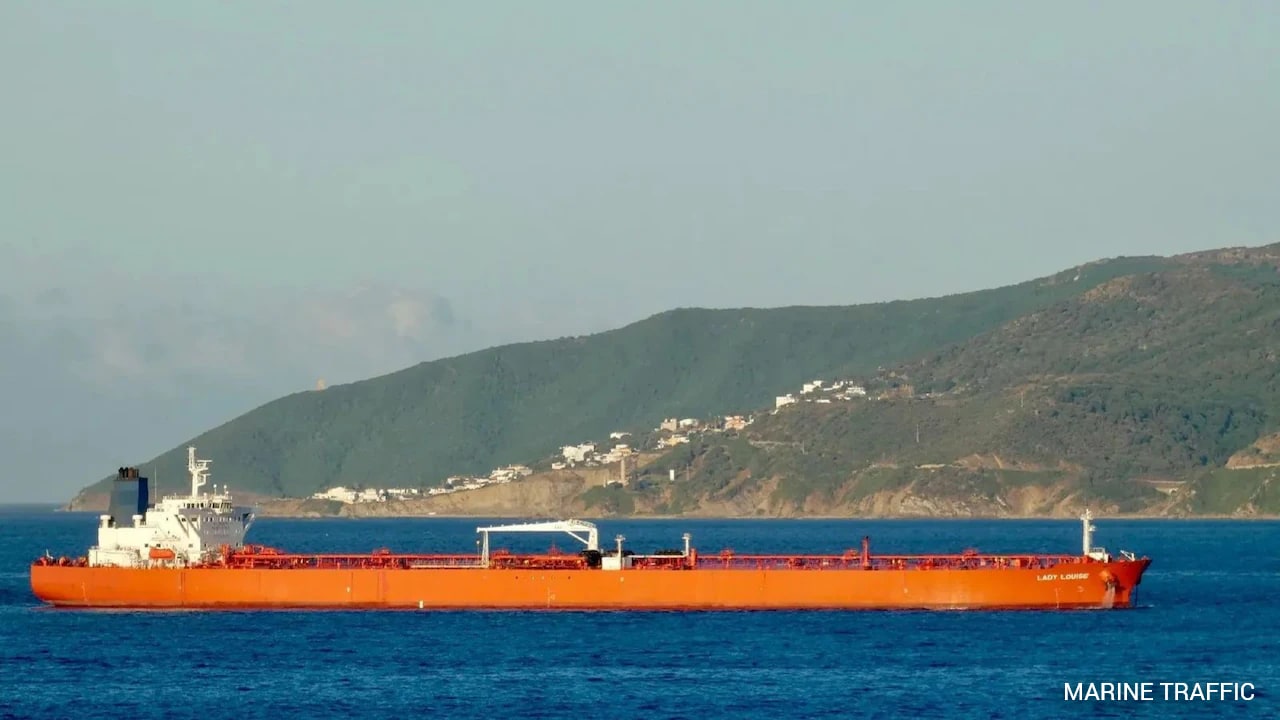
Commercial shipping in the Middle East just crossed a dangerous line. When a Panama-flagged oil tanker carrying 27 Indian seafarers got struck by limpet mines in the Strait of Hormuz, it wasn't just another routine security alert. It marked the first successful deployment of magnetic hull-attached explosives in the vital waterway since the current US-Iran conflict began.
If you think this is isolated noise or just regional posturing, you're missing the broader shift in maritime warfare. Let's look at what actually happened, why limpet mines are a terrifying tactical choice, and what this means for the global supply chain.
The Anatomy of the Strait of Hormuz Attack
The incident centered on the oil tanker MT Louise 1. Operating roughly 25 nautical miles north-east of Khasab in Oman, the vessel suddenly found itself targeted. Maritime security sources confirmed that small craft managed to approach the moving tanker undetected enough to attach explosive charges directly to its hull.
The resulting detonations triggered a fire in the engine room and temporarily crippled the vessel. Fortunately, the onboard crew fought back effectively, bringing the fire under control before it could cause catastrophic structural failure or environmental disaster. Union Minister for Ports, Shipping and Waterways Sarbananda Sonowal later confirmed that all 27 Indian crew members aboard the MT Louise 1—alongside two other Indian nationals on the separately targeted Liberia-flagged VLCC MT Arzanah—came out uninjured and safe.
This wasn't an accident. It was a targeted statement.
Why Limpet Mines Are a Low-Tech Nightmare
Military strategists hate limpet mines for a reason. They are cheap, remarkably easy to deploy, and terrifyingly efficient. Named after the limpet shellfish that clings stubbornly to rocks, these magnetic explosives attach directly to a ship's metal hull, usually placed below the waterline to maximize structural damage.
Greece-based maritime risk management group Marisks pointed out that the tactic requires minimal technological sophistication. You don't need multi-million dollar guided missiles or complex launch infrastructure. A couple of individuals on a nondescript fast boat can pull alongside a massive crude carrier under the cover of darkness or heavy traffic, slap the charges onto the hull, and retreat before anyone realizes what's happening.
Their purpose is rarely to sink a massive ship instantly. Instead, they are designed to cripple, force a stop, spike insurance rates, and choke off a global chokepoint without requiring a full-scale naval engagement.
The Escalating Threat to Indian Seafarers and Global Energy
India sits in a tough spot when Middle Eastern waterways flare up. A massive share of the world's commercial shipping workforce consists of Indian seafarers. When tankers burn in the Persian Gulf or the Strait of Hormuz, Indian families bear a disproportionate share of the human anxiety.
The attack on MT Louise 1 didn't happen in a vacuum. Just a day prior, the MT Arzanah faced a separate projectile attack in the exact same region. These consecutive incidents signal that commercial vessels can no longer assume that flying a neutral flag or transiting recognized corridors offers total immunity.
Insurance underwriters are already reacting. When the risk profile of the Strait of Hormuz shifts from missile warnings to clandestine sabotage by limpet mines, marine insurance premiums skyrocket. That cost doesn't stay at sea; it trickles down directly to energy prices worldwide.
What Happens Next in Gulf Security
Right now, ship management companies and government bodies are scrambling to update risk assessments. Crews are being told to increase hull-monitoring watches, deploy acoustic detection systems, and maintain maximum vigilance during transit through narrow passages.
Yet, physical security on a moving crude carrier is notoriously difficult. You cannot armor-plate a commercial tanker against every low-profile threat without rendering global trade economically unviable. As long as regional conflicts persist, the Strait of Hormuz remains a high-stakes chessboard where a single small boat can disrupt the flow of global energy. Stay alert to how shipping lines reroute or adjust protocols in the coming weeks.