The fragile illusion of peace in the world's most critical energy chokepoint just went up in smoke. Early Tuesday morning, a projectile tore into the port side of a Qatari liquefied natural gas tanker moving through the Strait of Hormuz. The strike sparked a serious fire onboard the vessel, sending shockwaves through global energy markets and shattering the quiet of a highly publicized maritime ceasefire.
Don't believe the diplomatic spin coming out of Washington or Tehran. This wasn't an isolated accident or a random malfunction. It was a direct, calculated challenge to international shipping rules at a moment when the entire region is sitting on a powder keg. If you enjoyed this post, you might want to read: this related article.
The attack targeted the Al Rekayyat, an LNG carrier owned by Qatar's state shipping company, Nakilat. The vessel was traveling southbound near Limah, Oman, attempting to exit the narrow waterway when it was struck. While British maritime monitors confirm the crew managed to bring the blaze under control without casualties, the political fallout is spreading fast. European natural gas prices surged 4.5% almost immediately. Oil futures ticked upward. Shipping companies are already ordering their vessels to turn around.
This escalation happens at the worst possible time. Iran is in the middle of massive state funeral ceremonies for its late Supreme Leader, Ayatollah Ali Khamenei, who was killed in a massive US-Israel airstrike back in February. Just hours before the projectile hit the Al Rekayyat, US President Donald Trump issued a blunt public warning to Tehran, telling the Islamic Republic it needs to make a deal or the US will finish the job. For another angle on this development, see the recent update from Al Jazeera.
We are seeing the collapse of the June ceasefire agreement in real time. Shippers who thought the waters were safe are realizing that paper agreements mean nothing when missiles start flying.
The Reality Behind the Al Rekayyat Strike
The details coming from maritime security groups reveal a chaotic scene. According to the United Kingdom Maritime Trade Operations, the strike happened just eight nautical miles east of the Omani coast. The Al Rekayyat was moving through an area that international authorities recently declared open for all commercial traffic.
Reports indicate the vessel was operating with its transponders turned off. This is a common tactic for captains trying to slip through dangerous waters undetected. It didn't work. The attackers knew exactly where the ship was. Iranian state television quickly broadcasted reports claiming an LNG tanker was targeted because it ignored official warnings. They didn't explicitly say their forces pulled the trigger, but the message was unmistakable.
[Timeline of the Escalate]
February 28 -> War erupts after Khamenei assassination
June 2026   -> US-Iran sign 14-point temporary ceasefire
July 5, 2026 -> Joint Maritime Info Center says Omani route is safe
July 6, 2026 -> Trump warns Iran to "finish the job"
July 7, 2026 -> Al Rekayyat struck; gas prices spike 4.5%
The underlying issue is a bitter dispute over who controls these waters. Under the June ceasefire agreement, the US and Iran agreed to a 60-day window where ships could pass through the strait without paying transit fees. But Tehran has completely rejected the traditional international shipping lanes.
Instead, Iran's joint military command demanded that all commercial ships use a specific corridor hugging the Iranian coastline. They want to establish total regulatory control, monitor every ship, and eventually levy hefty passage fees. Over the weekend, Iranian Revolutionary Guard operators were heard on maritime radio channels explicitly warning captains that their drones and missiles were locked and loaded.
When Oman and United Nations agencies tried to expand an alternative route closer to the Omani shore to bypass Iranian radar, Tehran responded with violence. The Al Rekayyat was using this alternative path when it was hit. It was a clear punishment for defying Tehran's demands.
Market Shocks and the Return of Premium Freight Rates
Global energy markets hate uncertainty. The Strait of Hormuz handles roughly a fifth of the world's petroleum and liquefied natural gas. When a tanker burns there, the financial impact is instantaneous.
Beyond the immediate 4.5% spike in European gas prices, the logistical chain is fracturing. A sister ship, the Al Areesh, which had just loaded a cargo of Qatari gas and was heading toward Pakistan, abruptly changed course and fled back into the Persian Gulf after learning of the strike.
Shipowners cannot afford to lose these massive vessels. Insurance underwriters are already revising their war-risk premiums for the region. Over the last ten days, data firms like Kpler tracked a modest recovery in traffic, with more than 100 ships successfully crossing the strait. That progress is gone.
Freighters now face an impossible choice. They can comply with Iran's demands and sail directly under the guns of the Revolutionary Guard, risking western sanctions or seizures. Or they can use the internationally approved southern route and risk getting blown out of the water by Iranian anti-ship missiles. This structural deadlock will drive freight costs to astronomical highs, a cost that consumers will eventually see at the gas pump and on their utility bills.
Geopolitical Brinkmanship Reaches a Boiling Point
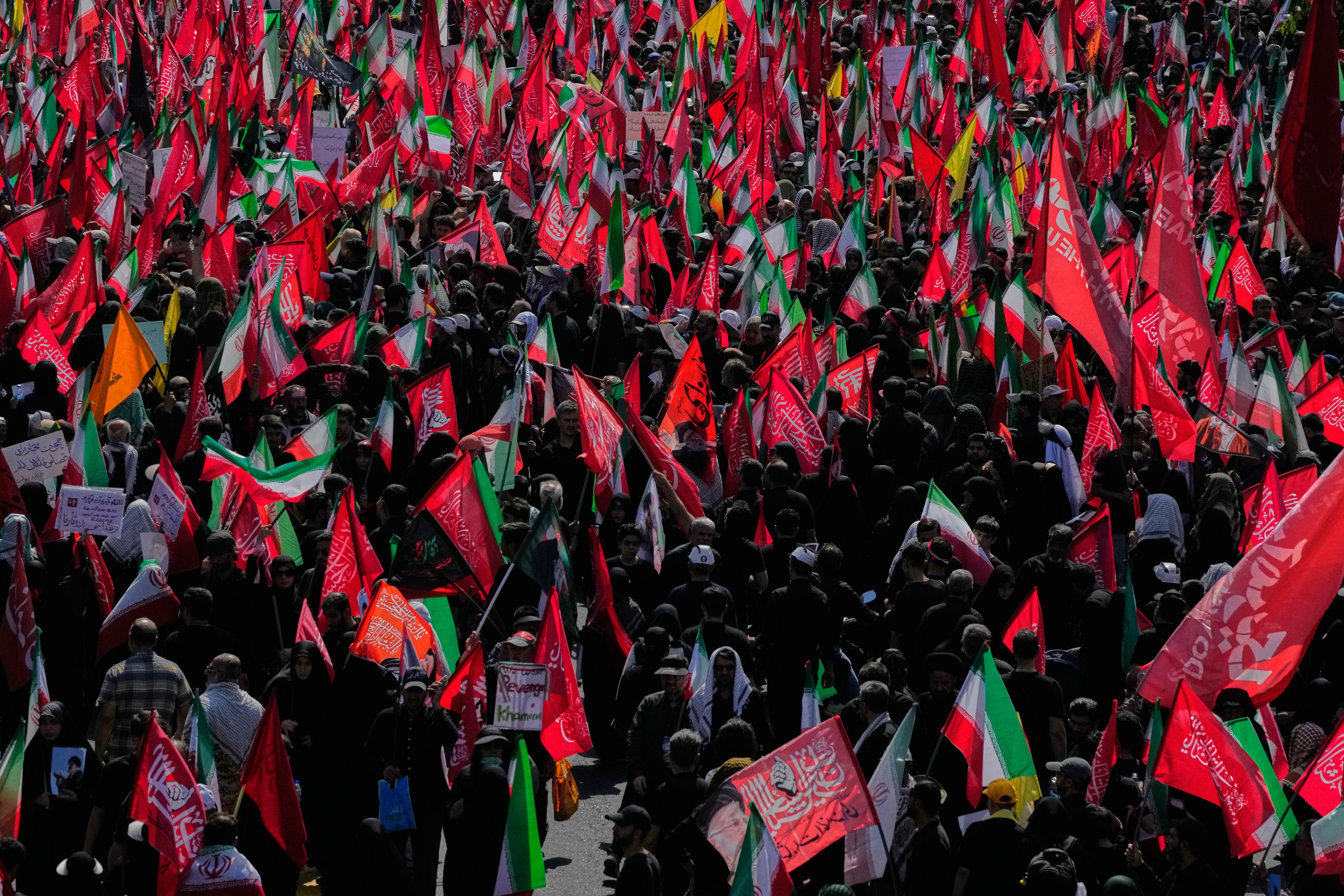
You have to look at the broader political landscape to understand why this happened today. Iran is currently paralyzed by grief and anger. Millions of mourners have filled the streets of Tehran and Qom for the funeral of Khamenei. The regime is highly vulnerable, yet desperate to project strength to its internal population and its regional proxies.
The transition of power to Ayatollah Mojtaba Khamenei is fraught with danger. The younger Khamenei is rumored to be in hiding after surviving the initial February strikes. The hardline factions running the military need to prove they haven't been weakened by the loss of their supreme leader. Attacking a high-value merchant ship is their favorite way to signal that they still hold the keys to the global economy.
Washington's rhetoric is only adding fuel to the fire. The Trump administration is treating the 60-day negotiating window not as a path to peace, but as an ultimatum. By threatening to finish the job, the US has backed the Iranian military into a corner. For the generals in Tehran, backing down now looks like total surrender.
US officials have told journalists that Iran fired multiple missiles overnight, suggesting the Al Rekayyat might not have been the only target. Rumors are circulating that a second commercial vessel sustained damage. If Washington decides to launch retaliatory strikes against coastal missile batteries in response, the June ceasefire is officially dead, and the wider war resumes.
Immediate Action Steps for Maritime Operators
If you manage logistics, maritime security, or supply chains routed through the Middle East, you can't wait for diplomatic statements. You need to adjust your operational posture immediately.
- Suspend Transit via the Southern Route: Do not rely on assurances from the Joint Maritime Information Center regarding the safety of the Omani corridor. Until the source of the projectile strikes is neutralized, this route is a live target area.
- Activate Alternative Energy Sourcing: Energy buyers must immediately engage contingency contracts from West African, American, or Australian suppliers to cover potential shortfalls in Persian Gulf LNG shipments.
- Enforce War-Risk Protocols: For vessels already committed to the Persian Gulf, ensure all crews are fully briefed on emergency firefighting and damage control procedures. Maintain constant contact with the UKMTO and regional naval coalitions.
- Prepare for Port Congestion: Expect severe delays at major loading terminals like Ras Laffan and Ras Tanura as ships hold position inside the Gulf rather than risking the exit through the strait.
The attack on the Al Rekayyat proves that the war hasn't ended. It just took a brief breather. No amount of diplomatic posturing can hide the fact that commercial shipping in the Strait of Hormuz is walking directly into a crossfire.