Two million barrels of crude oil can power a lot of things, but it can't survive a naval mine hidden in a choke point.
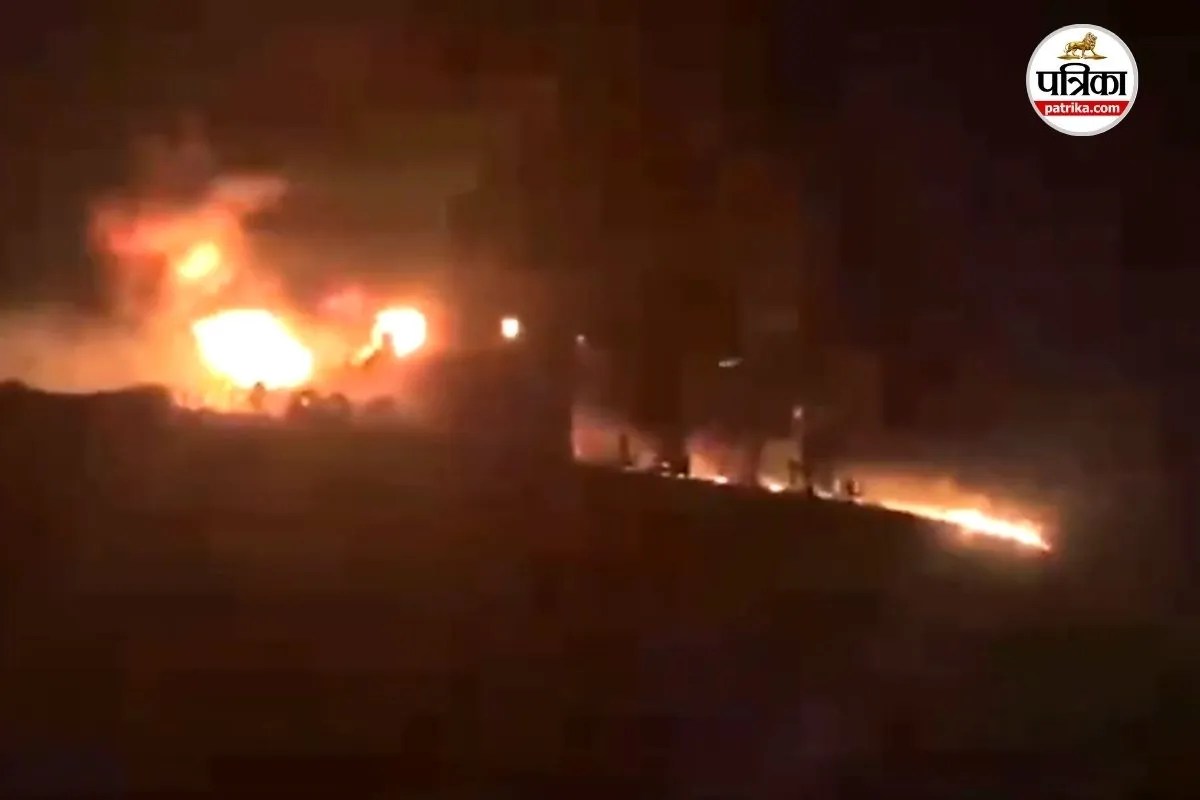
When a massive supertanker slammed into a sea mine in the Strait of Hormuz, triggering a violent explosion and setting the vessel ablaze, it wasn't just an isolated maritime accident. It was a loud, terrifying alarm bell for international shipping lanes and global energy security. Honestly, people sitting thousands of miles away often forget how fragile our daily fuel supply really is until a single blast lights up the Persian Gulf.
Iran's Islamic Revolutionary Guard Corps (IRGC) quickly claimed the tanker was dodging tracking systems and leaning on US naval support when it hit the underwater trap. Whether you buy into the political finger-pointing or not, the hard reality remains identical. A critical transit corridor is flashing red, and the ripple effects on shipping costs, marine insurance, and fuel prices are already starting to sting.
Let's break down why this specific incident matters so much right now.
The Choke Point That Runs the World
If you look at a map, the Strait of Hormuz looks like a narrow bottleneck connecting the Persian Gulf with the Gulf of Oman and the Arabian Sea. But calling it a bottleneck is an understatement. It's the economic jugular vein of the planet's energy trade.
Every single day, tankers carrying millions of barrels of oil squeeze through this watery corridor. When a security threat shuts down or restricts this lane, you don't just see delayed shipments—you see immediate panic in energy markets.
Here is what most casual news readers miss:
- Marine insurance spikes instantly: Shippers face astronomical premium hikes the moment a mine goes off or a missile flies.
- Rerouting nightmares: Alternative routes are limited, expensive, and time-consuming.
- Direct impact at the pump: Supply chain anxiety translates directly to higher fuel prices for everyday consumers worldwide.
Tracking Systems in the Dark
According to reports from regional media outlets quoting Iranian military statements, the stricken supertanker had powered down its transponders and navigation systems. Why do captains do this? Usually, it's an attempt to slip past hostile surveillance or avoid detection in volatile zones.
Turning off your radar might help you hide from one adversary, but it makes you completely blind to stationary hazards like naval mines bobbing beneath the surface. It's a high-stakes gamble where the margin for error is absolute zero. One missed calculation, one hidden explosive, and two million barrels of oil become a blazing inferno.
What Happens Next for Global Energy Routes?
The IRGC's aggressive posturing following the blast sent a clear, chilling message to commercial shipping. Tehran's stance that the waterway is effectively closed to unauthorized or US-backed vessels turns every upcoming voyage through the strait into a game of Russian roulette.
If you're wondering how this affects international trade, look at the freight and logistics sector. Tanker owners are already rethinking their schedules. Some are pausing operations entirely until naval escorts or diplomatic channels offer clearer guarantees. Others are absorbing the massive risk because the demand for crude doesn't pause for regional conflicts.
You can't ignore the broader geopolitical chess match either. When military escorts clash with local naval forces over navigation rights in narrow straits, commercial vessels always end up caught in the crossfire.
Keep an eye on shipping insurance rates and spot crude prices over the coming weeks. That is where the real story of this explosion will be told, long after the smoke clears over the Gulf.