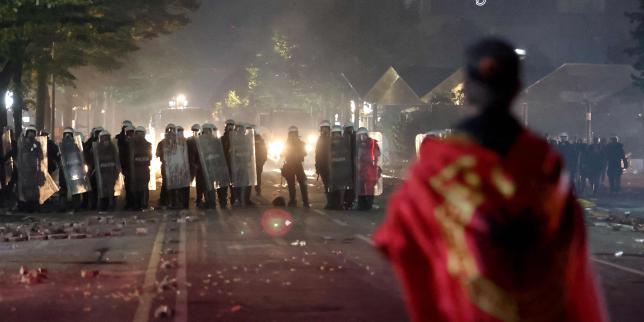
Tear gas fills the air over central Tirana. Riot shields clash against paving stones, and flames lick at the facade of the Ministry of Education. For the second consecutive day, Albania's capital has turned into a battleground. What started as student-led demonstrations over living costs and political corruption has rapidly devolved into intense street fights with law enforcement.
If you look past the burning dumpsters and broken glass, you will see a country boiling over. Years of frustration with the ruling government have finally reached a breaking point.
The Spark That Ignited Tirana
The energy on the streets isn't coming out of nowhere. For months, public anger has simmered over high living costs, education expenses, and controversial development deals that many citizens view as corporate and political looting of public resources. When students took to the boulevards, they expected the usual bureaucratic indifference. Instead, they got a violent escalation.
Protesters breached the gates of the Ministry of Education, sparking a fire inside the compound while police responded with volleys of tear gas and mass detentions. Paving stones were ripped up. Commercial windows were smashed. Fires broke out at local bank branches and government property as demonstrators made it clear they are done playing nice.
"We are tired of peaceful protests," one student demonstrator told reporters on the ground. "We will not stop until the government resigns."
Why This Unrest Differs From Past Crises
Albania is no stranger to political friction. Opposition parties and civic groups have squared off against Prime Minister Edi Rama's administration for years. But this wave feels different.
- The Youth Factor: This isn't just an orchestrated opposition rally driven by aging career politicians. It is primarily fueled by students and younger citizens who feel completely economically sidelined in their own country.
- Geographic Spread: The unrest hasn't stayed neatly contained within Tirana's central squares. Reports indicate that student activism and sympathy actions have quickly spilled over to universities in regional cities like Elbasan and Shkodër.
- Institutional Fatigue: Citizens are dealing with a potent mix of inflation, soaring property costs tied to massive luxury tourism developments, and a widespread perception that state institutions serve political elites rather ordinary working people.
The European Union delegation in Tirana has already issued statements taking note of allegations regarding excessive police force, while calling urgently for de-escalation. Meanwhile, the Albanian Ministry of Health reported that dozens of security personnel and demonstrators have sustained injuries, with scores of individuals detained or facing formal criminal charges.
What Happens Next on the Ground
Prime Minister Rama's government faces a stark choice. Doubling down on police cordons and mass arrests might clear the boulevards temporarily, but it won't fix the underlying rot. When young people believe they have zero economic future at home, tear gas only hardens their resolve.
The protests show no genuine signs of cooling off. Watch the regional campuses and keep an eye on how the judicial system handles the detained demonstrators. If the government fails to address the root causes of this anger, Tirana's streets will remain volatile.