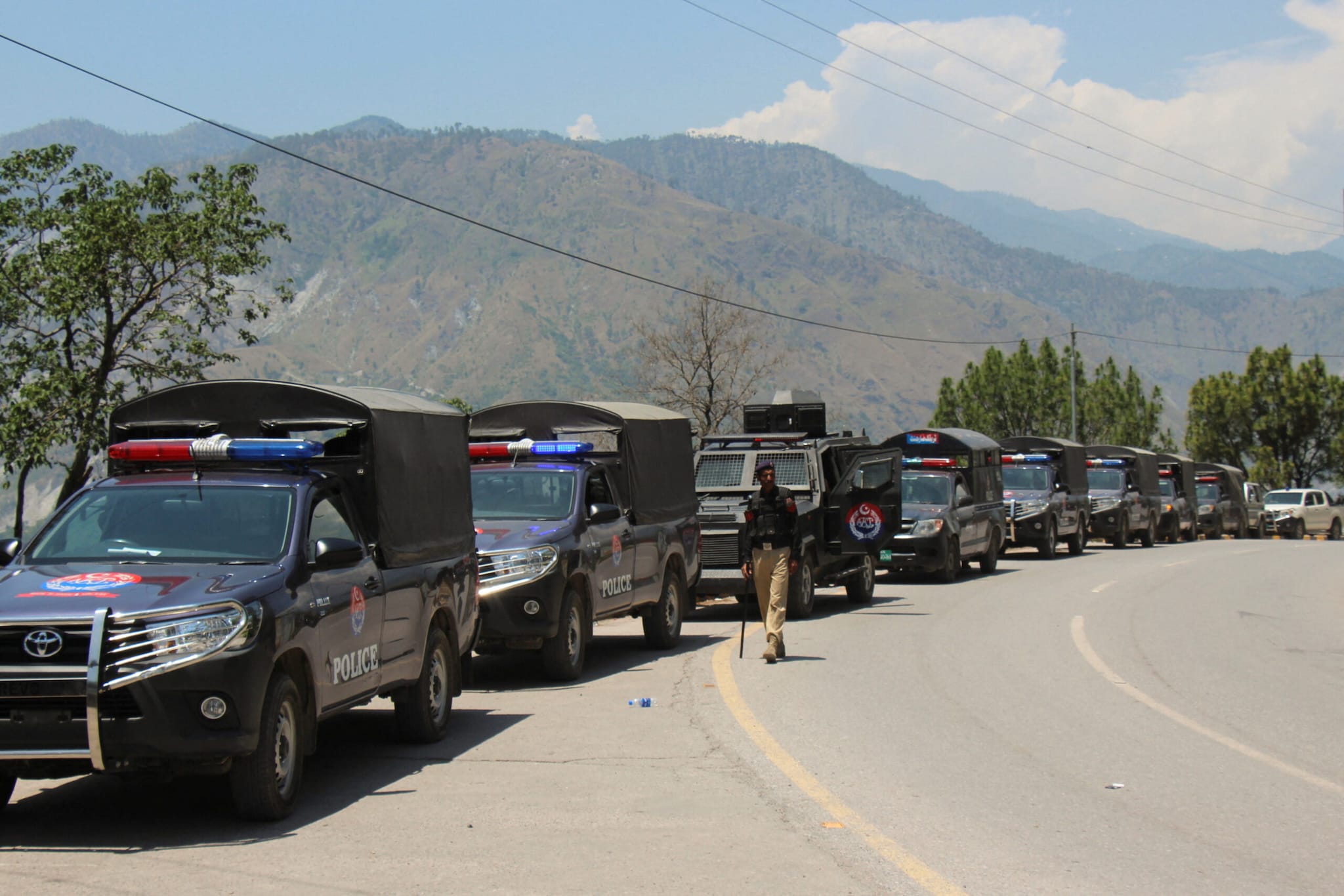
The smoke rising from the streets of Rawalakot tells a story that the official press releases from Islamabad desperately try to hide. For decades, the narrative surrounding Pakistan-administered Kashmir has been carefully curated. It’s always framed as a peaceful, fiercely loyal territory waiting patiently for the resolution of a geopolitical dispute. But right now, that illusion is shattered. Streets in the capital city of Muzaffarabad are empty, shops are shuttered, and the heavy thud of paramilitary boots echoes through deserted markets.
At least 11 people are dead, and more than 70 are injured after brutal clashes erupted between locals and state security forces. The immediate trigger was a sweeping crackdown and a blanket ban on a grassroots civil society alliance. But anyone paying attention knows this isn’t an isolated riot. It’s the breaking point of a population that’s tired of being used as political chess pieces while their economic and democratic rights are systematically gutted.
The Boiling Point in Rawalakot
The latest wave of violence didn't appear out of thin air. It kicked off with intense fury on a Sunday night in Rawalakot, the capital of the Poonch district. Local authorities had just slapped a ban on the Joint Awami Action Committee (JAAC) under anti-terrorism legislation. Think about that for a second. A coalition of local traders, transporters, lawyers, and students—the very fabric of the region's civil society—was branded a terrorist organization overnight.
Hours after the ban, a local activist was shot dead during a tense standoff with law enforcement. When an angry crowd gathered outside the hospital morgue where his body lay, the situation boiled over into a full-blown war zone. Security forces moved in with lethal force to disperse the protesters.
According to Poonch Commissioner Sardar Waheed Khan, four police officers and a passerby were killed after "miscreants" opened fire, prompting a lethal response that killed six protesters. But talk to the locals, and you get a much darker picture. JAAC leaders and independent residents claim the actual civilian death toll is far higher, with social media footage showing horrific scenes of chaos outside the hospital.
The state's response to the outrage was predictable:
- Total suspension of mobile data and internet services to choke out information.
- Heavy deployment of federal paramilitary troops.
- Bounties of 10 million rupees placed on the heads of top JAAC leaders.
- Formal sedition cases registered against civil rights activists.
Why the People of Kashmir Are Striking
If you only read the mainstream headlines, you might think this is just a sudden outburst over electricity prices. It's not. While inflation, sky-high electricity bills, and flour shortages drove previous protest cycles in May 2024 and late 2025, the current crisis is deeply structural.
The primary catalyst for this massive shutdown is a direct fight over political representation. The JAAC called for a region-wide long march and strike to oppose a highly controversial electoral rule for the upcoming July 27 legislative assembly elections. The regional administration has reserved 12 seats in the 45-member assembly for refugees who live completely outside of Kashmir, scattered across mainland Pakistan.
Why does this matter? Because the local population sees this as a blatant gerrymandering tactic. These external seats are historically used by the ruling establishment in Islamabad to secure a captive, easily manipulated voting bloc. By controlling these 12 seats, the central government can effectively dictate who runs the government in Muzaffarabad, completely overriding the democratic choices of the people who actually live, work, and pay taxes in the region.
Kashmiris aren't just striking for cheaper bread anymore; they're fighting to stop their political system from being hijacked.
The Hypocrisy Exposed
The handling of the Rawalakot bloodshed has drawn sharp condemnation from human rights groups and international observers. The Human Rights Commission of Pakistan voiced deep alarm over the state's use of anti-terror laws to criminalize a peaceful civil rights movement.
Amnesty International chimed in too, slamming the violent crackdown, arbitrary mass arrests, and communication blackouts as a severe deterioration of fundamental human rights.
The optics are devastating for Pakistan's military and political establishment. For years, state leaders have used international forums to aggressively call out human rights violations in Indian-administered Kashmir. Yet, when their own citizens march in the streets demanding basic autonomy, fair representation, and relief from crushing inflation, the state deploys the exact same playbook of suppression. They use live ammunition, cut off the internet, and throw civil rights leaders in jail under charges of sedition.
You can't claim to be the champion of Kashmiri self-determination on the global stage while running a heavy-handed security state that treats local protesters as internal enemies.
What Happens Next
The crisis has already spilled over borders. The United Kingdom, Australia, and Canada have issued urgent travel advisories, warning their citizens to steer clear of the region due to the risk of communication blackouts, snap curfews, and violent escalations. Even the United States Embassy in Islamabad warned its citizens to avoid protest sites.
If you are a policy observer, a human rights advocate, or just someone trying to understand the region, you need to look past the surface-level economic grievances. The state cannot kill its way out of this crisis. Every time Islamabad uses brute force to crush a protest cycle, it only deepens the resentment and guarantees that the next explosion of public anger will be larger and more dangerous.
The immediate next steps require transparency and accountability:
- Independent Investigations: There must be an immediate, transparent accounting of the true death toll from the Rawalakot clashes, moving past the sanitized numbers offered by regional commissioners.
- Revoking the Anti-Terror Ban: Labeling a coalition of local business owners, lawyers, and students as a terrorist entity kills any chance of an honest dialogue. The ban on the JAAC must be lifted.
- Reevaluating External Seats: The regional administration needs to address the core political grievance regarding the 12 reserved refugee seats to restore faith in the upcoming July elections.
Without these structural changes, the quiet currently seen on the streets of Muzaffarabad isn't peace. Kinda like the calm before the next storm, it’s just a temporary pause while a deeply disenfranchised population catches its breath.