When funding pipelines dry up overnight, numbers on a spreadsheet translate directly into empty plates and silent hospital wards. Right now, Liberia is staring down a brutal nutritional catastrophe. The withdrawal of key international support structures has left thousands of families stranded without a safety net.
If you look past the diplomatic cables, the reality on the ground is stark. Only a tiny fraction of children under two years old in the country currently receive a minimum acceptable diet. That is not just a statistic. It is a daily emergency happening across villages and urban settlements alike.
The Aftershocks of Disrupted Funding
Foreign assistance programs historically plugged massive gaps in local healthcare infrastructure. When agencies like USAID scaled back or dissolved entirely under shifting geopolitical decisions, local clinics lost their operational lifelines overnight. Therapeutic foods stopped arriving. Mobile health brigades grounded their vehicles.
Families who relied on external distribution channels found themselves entirely on their own. Chronic food insecurity was already a persistent shadow, but outside backing kept acute malnutrition rates from spiraling out of control. Once that financing vanished, the fragile ecosystem collapsed.
Stunting rates remain alarmingly high, and wasting threatens the lives of the most vulnerable toddlers. When a child misses out on vital nutrients during their first one thousand days of life, the cognitive and physical damage is permanent. You cannot undo stunted growth with a late apology or a delayed bureaucratic response.
Why Local Systems Struggle to Fill the Void
Governments cannot always instantly replace multi-million-dollar foreign footprints. Liberia’s domestic budget faces heavy constraints, leaving public health institutions unequipped to absorb thousands of newly malnourished infants simultaneously.
Local health workers talk about impossible choices. Do they buy basic medicines, or do they fund therapeutic feeding supplies? Clinics often lack reliable electricity, clean water, and storage facilities required to handle specialized nutritional packets. Without external logistics, food sits at regional ports or fails to clear customs due to procedural gridlock.
Spotting the Real Impact Beyond the Capitals
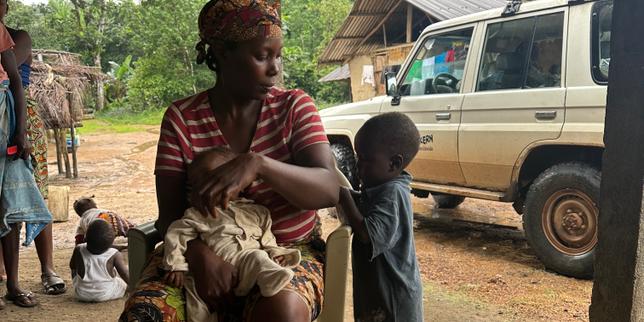
Monrovia tells one story, but the interior tells another. In rural counties, clinics are hours away on unpaved roads that turn into mud soup during seasonal rains. Mothers carry weak infants for miles, only to find empty shelves.
International bodies and alternative partners are scrambling to patch the holes. Joint initiatives, such as recent targeted funding infusions backed by organizations like UNICEF and alternative international donors, try to inject millions into maternal and child health. Yet, these relief efforts take time to scale up. Bureaucracy moves slowly while children starve quickly.
What Needs to Happen Right Now
Emergency feeding programs cannot remain dependent on the whims of foreign election cycles or shifting donor priorities. True resilience requires shifting power and resources directly to local municipal structures and community health networks.
Governments must prioritize domestic agricultural production and safeguard supply chains that feed mothers and infants before crises hit flashpoint levels. Stop treating child malnutrition as a temporary logistics glitch. It is a structural failure requiring immediate, localized accountability and sustained structural investment.