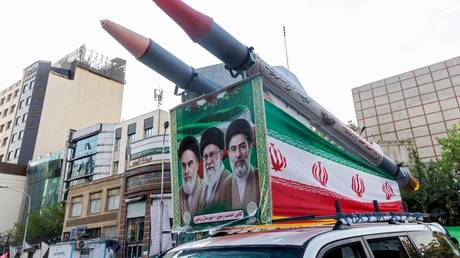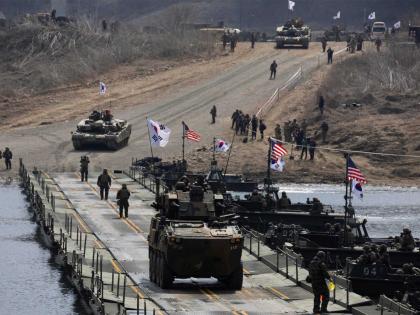
The recent decision to truncate the Ulchi Freedom Shield (UFS) exercises hasn't just surprised military analysts. It's left a lot of people wondering what exactly is happening behind the scenes in the White House and Seoul. When you see a major, planned military engagement between the United States and South Korea slashed mid-exercise, you know the reasoning goes deeper than routine scheduling changes.
If you’ve been following the tension on the Korean Peninsula, you know these drills are essentially the muscle behind the US-South Korea alliance. They are designed to test responsiveness, drone defense, and cyber-resilience against North Korean threats. Cutting them short—especially by almost half—signals a massive shift in diplomatic posture.
Why Washington Pulled the Plug
It’s easy to look at this as just another logistical update. It isn't. When the Pentagon and the South Korean Joint Chiefs of Staff confirm that these drills were pared down at the request of the US administration, it confirms a specific diplomatic intent.
We saw this playbook before back in 2019. During that era of high-stakes nuclear diplomacy, scaling back exercises was a direct nod to Pyongyang. It was a way to say, "We are willing to dial back the pressure to keep a seat at the negotiating table." By repeating this pattern now, the current US administration is clearly trying to open a channel or signal restraint to North Korean leadership.
The core problem? North Korea rarely responds to these olive branches with gratitude. Even with the drills scaled back, Pyongyang's rhetoric remains aggressive. They’ve already vowed to "neutralize" threats. This puts South Korean leadership in an incredibly difficult position.
The View from Seoul
South Korea’s President Lee Jae Myung is walking a tightrope. He has publicly defended the defensive nature of these drills, insisting they aren't meant to provoke. Yet, the pressure to maintain domestic security is mounting.
You don't have to look hard to see the frustration simmering in Seoul. The fact that President Lee immediately pivoted to discussing the acquisition of nuclear-powered submarines after the drill cutbacks is telling. It’s a classic move: if your biggest ally limits your conventional deterrent, you start looking for ways to build your own.
This isn't just about the optics of a canceled exercise. It's about a foundational question that keeps changing: How much does Seoul rely on the US for its defense, and how much can it truly count on that support when diplomatic winds shift?
What This Means for Regional Security
When the US decides to reduce field training exercises, it creates a vacuum. North Korea sees it as a win, plain and simple. Every time the pressure is eased, their testing cycles for new capabilities don't necessarily stop—they just change focus.
These drills were specifically updated to tackle modern threats like GPS jamming and drone swarms. By cutting them, the training for these specific, high-tech scenarios loses some of its real-world intensity. You cannot replicate the pressure of an 18,000-troop exercise with a desk simulation.
If you are paying attention to the broader Indo-Pacific, this move also sends ripples through Tokyo and other regional capitals. They see the US prioritize diplomatic signaling over operational readiness on the Peninsula, and they have to adjust their own national security planning accordingly.
The Reality of Military Signaling
In my experience covering these events, people often misunderstand the purpose of these drills. They aren't just for training; they are a message sent in real-time.
- Hard power vs. soft power: When the drills are full-scale, it's hard power. It says we are ready for war.
- The middle ground: When they are truncated, it's a "soft" signal. It says we are open to talk, but keep your guard up.
The danger here is miscalculation. If North Korea interprets the scaling back as a sign of weakness rather than a calculated diplomatic opening, we could be looking at an even more volatile situation in the coming months.
Next Steps for the Region
If you are trying to understand where this goes from here, watch three specific things:
- South Korean Defense Spending: Watch for any significant jumps in funding for independent capabilities, specifically those nuclear-powered submarine programs mentioned in Seoul.
- Pyongyang’s Rhetoric vs. Action: Don’t just listen to the threats; look at the missile testing schedule. If they interpret the drill cancellation as an opportunity, you will see test launches increase to fill the void.
- Backchannel Diplomacy: Watch for reports of closed-door meetings. If these cuts were made for a diplomatic goal, there must be a secret or quiet track already underway.
The decision to cut these drills has been made, but the consequences are only just beginning to manifest. Don't expect the status quo to hold. Seoul is clearly realizing that its own security posture needs to be less reliant on the unpredictability of Washington’s requests.
The shift is underway, whether we like it or not. Stay alert to the changes in defense procurement and the tone of statements coming out of both Seoul and Pyongyang. That is where the real story is hidden.