Silence in a war zone isn't peaceful. It's unsettling.
When a localized cease-fire settled over the Kherson region recently, the sudden absence of incoming artillery and buzzing drones didn't bring immediate relaxation. Instead, it brought a strange, nervous tension. For years, residents across southern Ukraine have lived to the brutal rhythm of shelling and air alerts. When that noise stops abruptly, people don't celebrate right away. They check their surroundings, wait for the shoe to drop, and wonder how long the quiet will last.
This rare pause in fighting, coordinated around the Russian-occupied city of Oleshky to clear the way for humanitarian relief missions, offers a stark look at the psychological weight of modern conflict. While diplomatic efforts led by international figures and negotiators try to open safe corridors for thousands trapped with dwindling food and medical supplies, the ground reality for ordinary citizens is complicated. Let's look at what this truce actually changes on the ground and why everyone is holding their breath.
Why a Localized Truce Changes the Rhythm of Daily Life
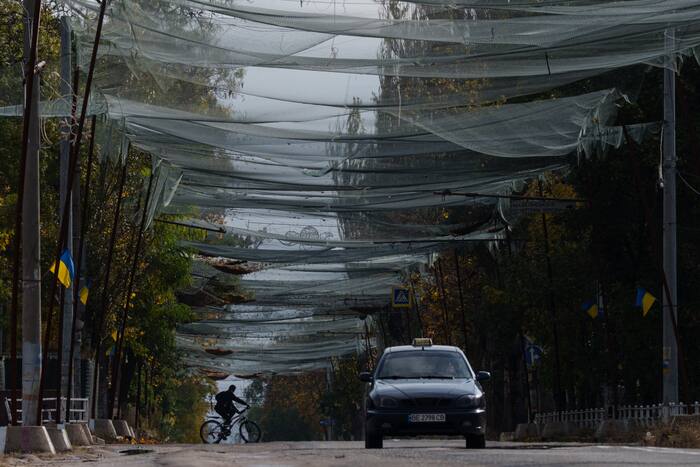
You cannot overstate how exhausting constant bombardment is. In Kherson and its surrounding areas, daily life has meant dodging Russian reconnaissance drones, ducking for cover, and rationing basic essentials.
When the cease-fire kicked off, the immediate change was tactile. Local authorities noted that portable drone detectors—devices that usually shriek continuously with alerts—went dead silent. For residents who ventured outside, the streets felt different. More people than usual walked the pavement, enjoying a rare glimpse of safety. City services immediately rushed to tackle urgent utility repairs that were previously too dangerous to attempt under constant fire.
Yet, this relief comes with heavy caveats. A localized pause in one sector doesn't mean the wider war has stopped. Just as the truce took hold in the south, ballistic missile strikes shook Kyiv and Kharkiv, proving that regional cease-fires remain fragile bubbles inside a massive, ongoing conflict.
The Humanitarian Reality Behind the Headlines
Behind every diplomatic announcement is a desperate scramble for survival. In Oleshky, an estimated 2,000 residents have been enduring severe shortages of food, clean water, and electricity. Some reports indicate people have been forced to survive on meager rations and boiled grass.
The primary goal of this specific pause is clear:
- Clear land mines blocking entry routes.
- Deliver vital food, medicine, and hygiene supplies.
- Establish safe evacuation corridors for civilians wanting to leave.
However, execution is messy. Humanitarian workers and volunteers who fled the city in 2022 point out deep-seated fears regarding evacuations. Many residents worry about security checks at checkpoints, where occupying forces frequently inspect personal phones for any historical ties to the Ukrainian military or government. Trust is practically nonexistent, making every step of the humanitarian operation a delicate negotiation.
What Happens When the Pause Ends
Everyone wants a permanent end to the fighting, but historical precedent makes seasoned observers deeply skeptical. Previous localized truces have often proven temporary, shattering as soon as tactical advantages shift.
For the people of Kherson, enjoying the quiet right now is a psychological necessity, even if they know it might be fleeting. They're using the window to breathe, fix broken windows, and check on neighbors. But make no mistake: nobody is packing away their emergency bags just yet. The silence is welcome, but in southern Ukraine, everyone knows it's only temporary.