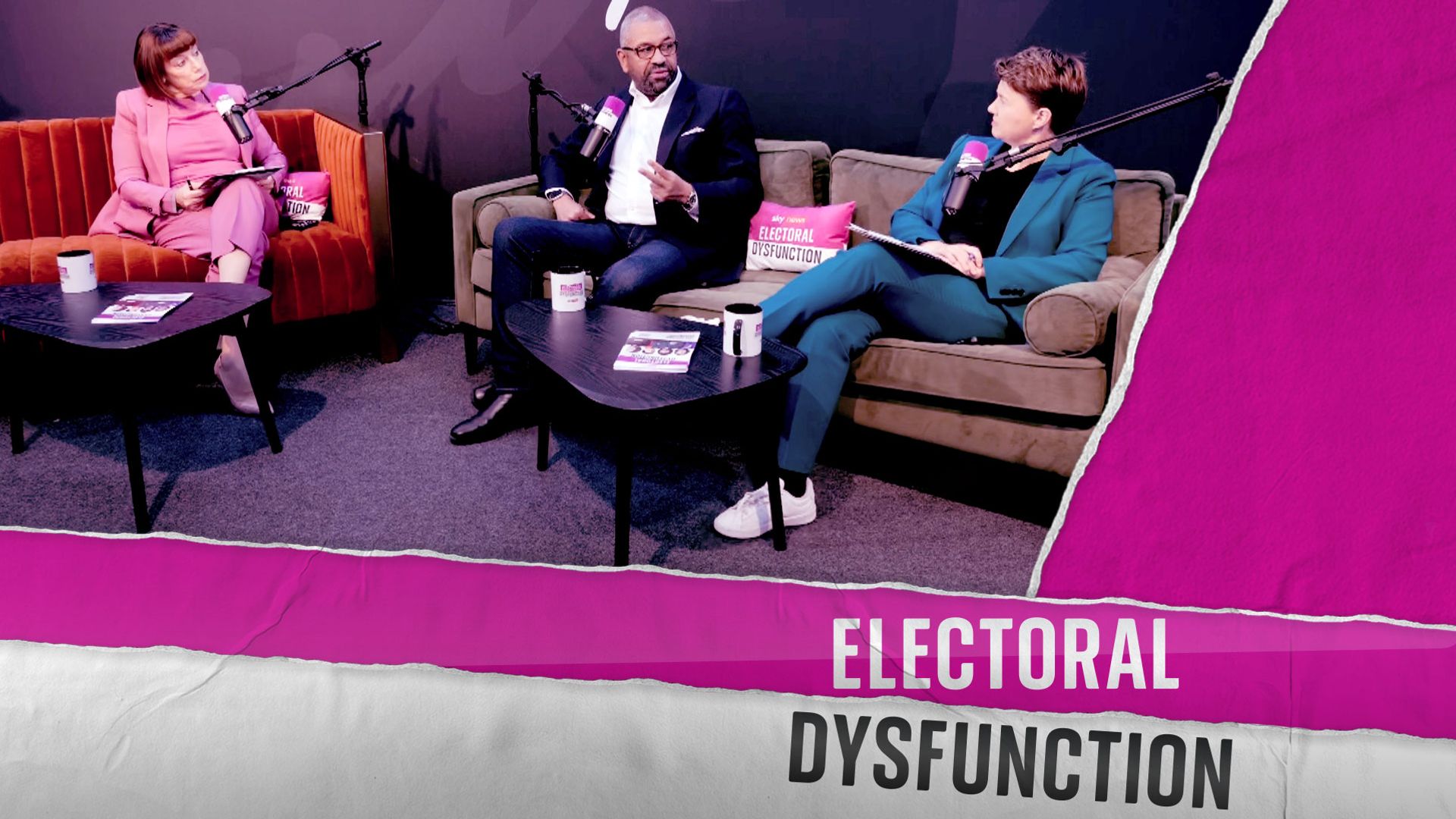
National identity in Britain is messy. It's complex, emotionally charged, and prone to explosive public disagreements among high-profile politicians. Sir James Cleverly has hit out at his former Conservative colleague Suella Braverman over a fierce debate regarding what it means to be English.
The row erupted after Braverman, now a Reform UK member, declared on television that she does not consider herself to be English. Born in Britain to parents of the Indian diaspora who migrated from Kenya and Mauritius, she argued that her lack of generational ancestry on English soil means she identifies as British Asian rather than English. Critics and former colleagues wasted no time pushing back. Cleverly stepped into the fray to challenge her framing, pointing out the dangerous exclusionary lines being drawn around national terminology.
What Sparked the Clash
The disagreement didn't happen in a vacuum. During a heated media appearance, Braverman defended her stance by tracing her lineage abroad and suggesting that terms like English should be tightly ring-fenced. This immediately triggered accusations that her definition attempts to tie national identity strictly to ethnicity and skin color.
Cleverly took issue with this narrative. When prominent political figures start dictating who belongs and who doesn't based on ancestral purity tests, it creates unnecessary division. You can be born in Britain, pay taxes, contribute to local communities, and hold a British passport, only to be told by a politician that your identity doesn't fit a narrow mold.
The Core Disagreement Over British Versus English
Most people confuse nationality, ethnicity, and geography. Braverman's argument relies heavily on separating being British from being English. She views British as a civic passport status, while treating English as an ethnic designation tied exclusively to historical heritage.
That distinction rubs many political figures the wrong way. For critics like Cleverly, weaponizing these terms alienates millions of citizens who trace their roots to the Commonwealth or beyond, yet consider England their home. If you grow up speaking the language, attending local schools, and building a life in an English town, telling you that you aren't truly English carries heavy exclusionary baggage.
Political Fallout Inside Conservative Ranks
This spat highlights a deeper fracture within right-of-center politics in the UK. The migration of high-profile MPs like Braverman to Reform UK has left lingering tensions with those who chose to stay behind in the Conservative Party. Cleverly's sharp critique signals a growing appetite to challenge these cultural talking points head-on rather than letting identity-based rhetoric go unanswered.
Politicians love to debate semantics because it fires up their base. But words matter. When former home secretaries start redefining national belonging on national television, it shapes how minorities are treated on the streets.
Moving Past Exclusionary Politics
If Britain wants to move forward, political leaders need to stop gatekeeping nationality. Identity is rarely black and white. It's shaped by lived experience, shared values, and contributions to society.
Look at your own community. People care far more about honest work, community spirit, and mutual respect than whether your grandparents lived in an English village three centuries ago. Stop overthinking the labels and focus on the actions that actually build a functioning society.
Reform UK's Suella Braverman doesn't consider herself to be English
This video provides context on the heated television appearance where Suella Braverman first made her controversial remarks about national identity.
http://googleusercontent.com/youtube_content/1