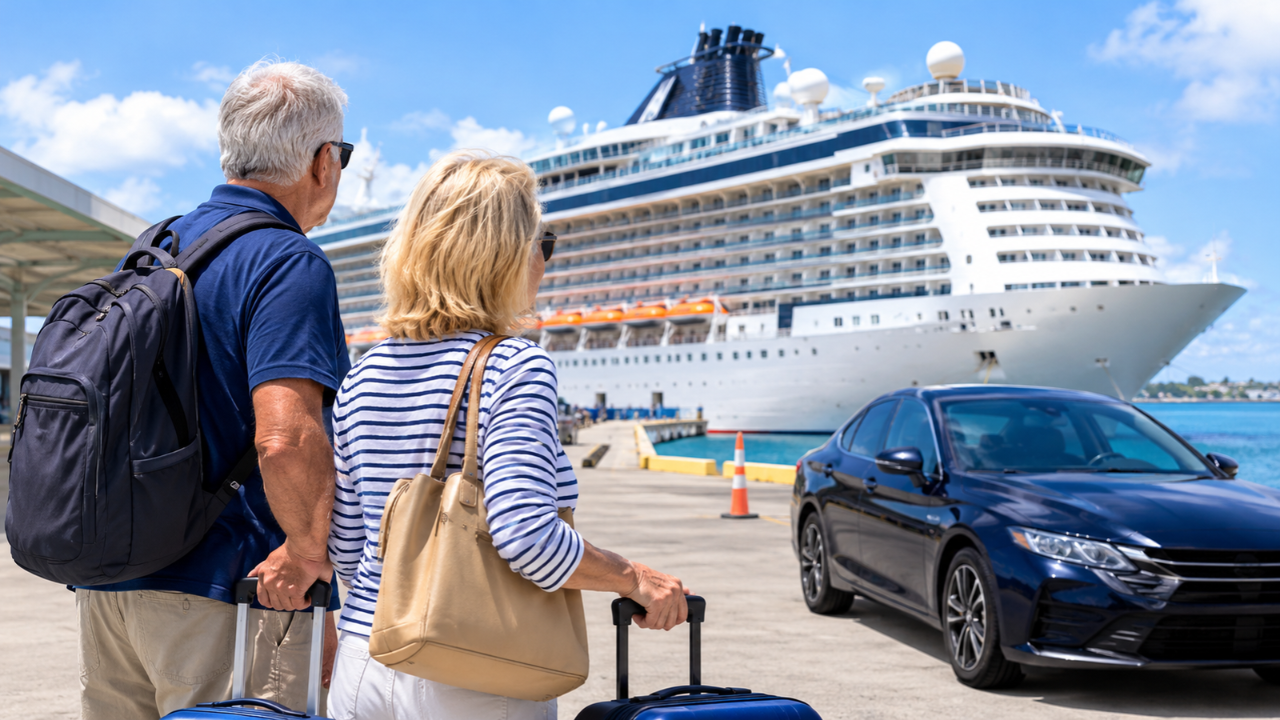
Chasing $405 over a salty car wash cost one Florida couple more than twenty years of cruise loyalty and their right to sail across an entire corporate fleet. When longtime cruiser Eric Josey returned to Port Canaveral after a seven-night sailing aboard Celebrity Apex, his Ford Expedition had hardened white deposits on it that he took for sea salt. He paid roughly $32 for a basic wash, then hired a mobile detailer for $370, bringing his cleaning bill right around $405. Instead of eating the cost or taking it up with the port authority that runs the parking lot, he went after Royal Caribbean Group—first through American Arbitration Association arbitration, then in a Flagler County small claims court. The phone call he got back wasn't a settlement offer. It put both him and his wife on a permanent ban across Royal Caribbean International, Celebrity Cruises, and Silversea Cruises.
Honestly, this story reads like a cautionary tale every frequent cruiser should hear before firing off a legal demand over minor port headaches. People hear "lifetime ban" and picture onboard brawls, contraband smuggling, or trashed cabins. Yet here was a veteran passenger with two decades of history fighting over coastal residue on a parked SUV. You might also find this related article useful: How To Survive The Holiday Travel Rush Without Losing Your Mind.
How a Parking Lot Annoyance Turned Into a Legal Clash
The trouble started before the ship even left Florida. Josey and his wife arrived at Port Canaveral in April 2025 for their weeklong trip on Celebrity Apex. His usual indoor parking garage was full, so he ended up in an outdoor overflow lot and took a shuttle to the terminal—something he later told Consumer Rescue felt strange after years of parking where he liked. He believed staff members who looked like Celebrity employees pointed him toward that outdoor spot. As discussed in detailed reports by The Points Guy, the effects are significant.
Once they got back a week later, the annoyance turned into anger. Josey saw white specks all over his truck and worried ocean air and salt were eating into the clear coat. After a basic wash left residue behind, he booked the mobile detailing crew. Then he asked Celebrity Cruises to reimburse the $405 total.
When customer service said no, Josey didn't stop. He opened an arbitration claim through the American Arbitration Association against Royal Caribbean Group, paying a $225 filing fee and submitting receipts for the wash, detailing, and his $171.20 Port Canaveral parking fee alongside photos of his vehicle. Including the $375 administrative fee charged to the company, total arbitration and cleaning costs passed $1,000. Soon after, Josey also filed a small claims suit in Flagler County, Florida.
Then came the call from Royal Caribbean. He hoped someone wanted to talk numbers and settle. Instead, he was told the ban was permanent for both him and his wife across every brand under the corporate umbrella.
Why Royal Caribbean Wasn't Running That Parking Lot
Here's the part that trips up so many travelers: cruise lines usually don't own or operate the parking lots at major U.S. cruise ports.
At Port Canaveral, parking facilities are run by the Canaveral Port Authority, not the cruise line sailing out of the terminal. Parking tickets and receipts carry standard disclaimers stating that drivers park at their own risk, and Royal Caribbean's own terminal parking guidance notes that the line isn't responsible for vehicle theft or damage. Even if someone waving a vest or pointing cars in a busy lane looks like ship crew, port traffic control and terminal parking operations often involve separate port staff or third-party contractors.
Sue the wrong entity over a parking surface or ocean spray near a coastal port, and you're starting on shaky ground before a judge or arbitrator even looks at your receipts.
Cruise Lines Ban Passengers Over Lawsuits More Often Than You'd Think
A lot of cruisers assume "Do Not Sail" lists are reserved for violent behavior or serious rule-breaking. In practice, cruise lines treat active litigation against the company very differently from a routine customer complaint.
Once a passenger moves past customer service into formal legal claims or small claims court over a minor dollar dispute, corporate legal teams sometimes decide the relationship isn't worth the ongoing friction or precedent—even if the passenger has sailed for twenty years. And because Royal Caribbean Group owns Royal Caribbean International, Celebrity Cruises, and Silversea Cruises, a ban at the group level can lock a traveler out of multiple brands at once.
Cruise passenger contracts also set tight rules on where, how, and within what timeframe disputes can be brought. Federal maritime law and decades of court rulings—including the U.S. Supreme Court's 1991 decision in Carnival Cruise Lines v. Shute—have long given cruise lines broad leeway to enforce forum and contract terms in passenger ticket agreements, provided notice is reasonable. Filing in local small claims court when a contract points elsewhere adds another layer of legal friction that can make a cruise line dig its heels in rather than cut a quick check.
What Travelers Get Wrong About Salt Air and Port Parking
Let's be real: leaving a car outside near saltwater for a week in Florida isn't ideal. Coastal breeze carries fine salt mist, and sun-baked residue on a dark or weathered finish can look alarming when you step off the shuttle.
Still, there's a big difference between a car needing a thorough rinse or wax after sitting near the coast and proving that a specific cruise line caused structural or paint damage by directing you to an overflow lot. To hold a party responsible for property damage anywhere, you generally need clear proof of duty, a breach of that duty, and actual compensable damage tied to that party—not just frustration that your favorite indoor garage was full.
- Loyalty points don't buy immunity: Years of past sailings and tier status are great for perks like priority boarding or laundry discounts, yet they rarely stop a corporate legal or security team from issuing a ban once a dispute turns adversarial.
- A spouse can get caught in the crossfire: Even when one partner files the claim or leads the dispute, cruise lines may apply a ban to both spouses on the reservation or household account.
- Small dollar claims can carry huge personal costs: Fighting over $405 can end up costing filing fees, time, stress, and access to brands you genuinely enjoy sailing.
Practical Next Steps Before You Dispute a Port or Cruise Bill
If something goes wrong around embarkation or disembarkation, handle it smart so you protect your wallet and your future cruising options:
- Check who actually runs the facility first. Look at the back of your parking ticket, the payment receipt, or the official port authority page—such as Port Canaveral—before blaming the cruise line for a parking lot issue.
- Document condition right away. If your vehicle has real dents, scratches, or unusual residue when you return, take timestamped photos before driving off or washing it away, and ask on-site parking attendants if an incident report exists.
- Read your cruise ticket contract early. Check how the contract handles non-injury claims, notices, and dispute resolution before spending money on filing fees.
- Weigh the real value of the fight. Ask yourself whether winning a small reimbursement is worth risking a ban from a cruise line you love, or if a polite escalation, credit card dispute (where valid for billing errors), or moving on is the smarter play.