Climate shocks hit the poorest hardest, and the upcoming super El Nino is ready to test African economies to their absolute limits. If recent warnings from the African Development Bank pan out, this climatic shift could wipe out up to twenty billion dollars in economic growth across the continent.
You aren't reading about a minor weather anomaly. This is a massive macroeconomic threat. Let's break down why this happens and what it means for the region's future. Also making waves lately: Why Jfe Engineering Is Pivoting From Building New Bridges To Fixing Old Ones.
The Real Price Tag of Extreme Weather
Numbers matter when discussing climate disruption. The African Development Bank estimates that the fallout could slash up to two percent from the gross domestic product of the hardest-hit nations. When an entire country's economy shrinks by two percent because of shifting ocean temperatures thousands of miles away, the shockwaves ripple through every household.
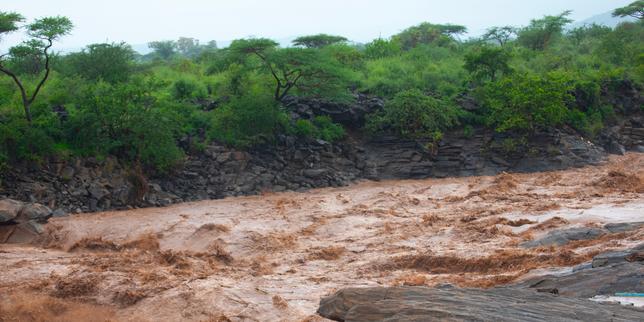
Agriculture takes the first major hit. Millions of smallholder farmers depend entirely on predictable rainfall patterns. When droughts or floods destroy harvests, food prices skyrocket. Maize prices alone face potential doubling in several markets, turning basic nutrition into a luxury item for vulnerable families. Additional details into this topic are explored by The Wall Street Journal.
Beyond the Fields: The Fiscal Trap
Most people assume weather events only ruin crops. They forget about national budgets.
When a climate disaster strikes, governments have to scramble. Funds originally earmarked for schools, hospitals, or roads get redirected toward emergency relief and immediate reconstruction. Anthony Nyong and other climate finance experts call this the climate funding trap. Governments run out of cash trying to fix sudden disasters, meaning long-term development grinds to a halt.
Financing needs for climate adaptation are projected to double, jumping toward one hundred billion dollars over the next year. National banks and public treasuries simply don't have that kind of liquidity lying around.
Who Faces the Greatest Danger?
Not every country experiences El Nino the same way. Certain regions bear the heaviest burden due to existing fragile infrastructures and ongoing humanitarian pressures.
Nations like Sudan, South Sudan, the Democratic Republic of Congo, Somalia, Mali, Burundi, and Nigeria sit right in the danger zone. These areas already deal with conflict, displacement, or fragile food systems. Adding extreme drought or torrential flooding to the mix creates the exact recipe for mass climate migration and fierce competition over water and grazing land.
Fishing industries suffer too. Warming marine waters and stronger coastal storms cut productivity by up to four percent, destroying local livelihoods along maritime borders.
Moving Past Reactive Spending
For decades, international aid agencies reacted to crises after they happened. That model is broken. Waiting until starvation spreads or infrastructure collapses costs far more than proactive prevention.
Investing in early warning systems, drought-resistant crop varieties, and climate-resilient water storage changes the equation. Every dollar spent on preparation saves multiples in emergency response costs later. International bodies like the Green Climate Fund need to release capital before the peak of the crisis hits, not months down the line when the damage is already done.
Governments across the continent must integrate climate resilience into every single economic blueprint. If development plans ignore shifting weather patterns, those plans are built on sand.
The coming months will test whether global financial institutions step up with serious liquidity or stick to empty promises while billions in African growth evaporate into thin air.