The rules of American elections are shifting yet again, and millions of voters are caught in the crossfire. You might think you know how you're casting your ballot this fall, but a high-stakes emergency decision just scrambled the playbook.
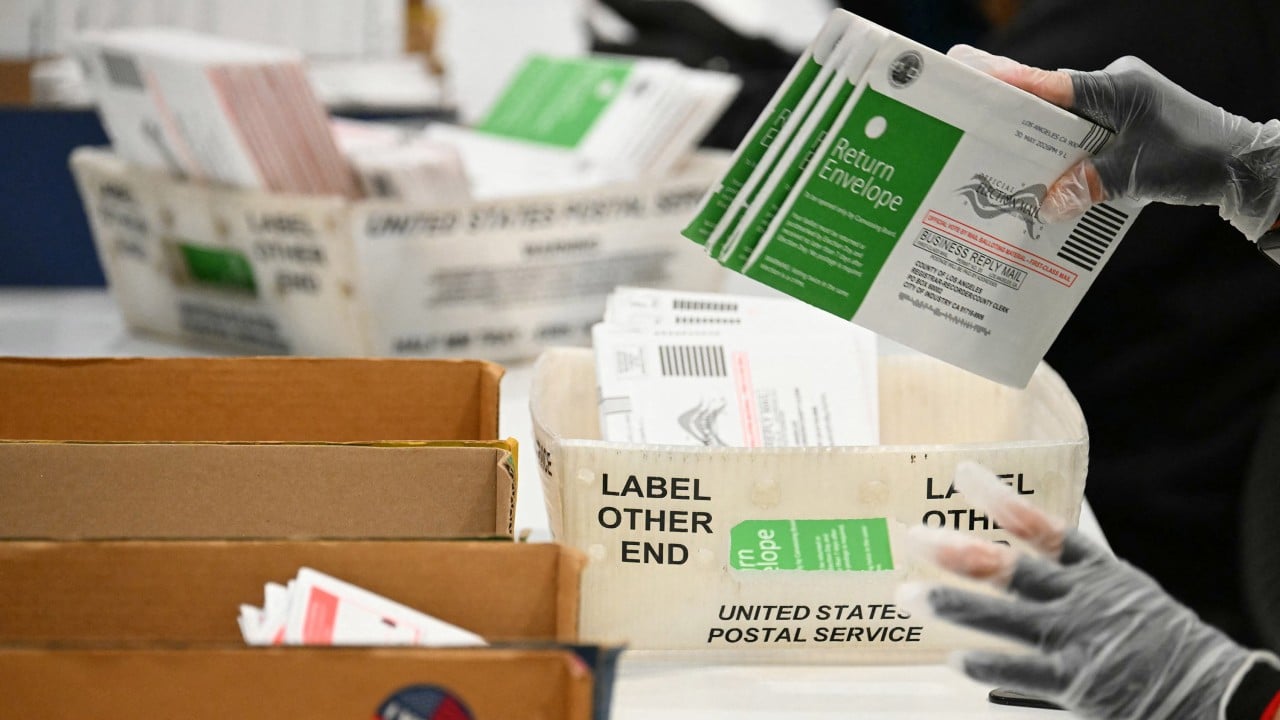
The U.S. Supreme Court just handed the Trump administration a major procedural victory. By a 6-3 vote, the justices lifted a lower court's block on parts of a controversial executive order targeting mail-in ballots. This order directs federal agencies, including the Department of Homeland Security and the U.S. Postal Service, to build new verification lists and restrict how mail ballots are handled ahead of the November midterm elections.
If you live in one of the 23 Democratic-led states that originally sued to block the directive, you're probably wondering what this means for your vote. Let's break down what actually happened, why the court ruled this way, and what comes next.
The Legal Battle Behind the Order
Back in March, President Trump signed an executive order designed to overhaul aspects of mail voting. The directive instructs the Department of Homeland Security to compile lists of eligible citizen voters and tasks the Postal Service with delivering mail-in ballots only to individuals verified through these federal parameters.
Naturally, a coalition of 23 states and Washington, D.C. rushed to court. They argued that the Constitution gives states and Congress—not the executive branch—primary authority over running elections. U.S. District Judge Indira Talwani agreed, issuing an injunction that froze key parts of the order. A federal appeals court later kept that freeze in place.
That brought the dispute to the Supreme Court's emergency docket. Solicitor General D. John Sauer argued that the lower court's injunction amounted to an improper federal intrusion into executive branch operations.
Why the Supreme Court Sided With the Administration
The conservative majority didn't actually rule on whether the executive order is fully constitutional. Instead, the unsigned opinion focused entirely on legal standing.
The court decided that the states filed their lawsuit too early. Because the government hadn't yet finalized every specific enforcement mechanism when the initial suit was filed, the majority reasoned that the states weren't immediately harmed by the text of the order itself.
"The Court's disposition of this application does not mean that any measure taken by the Government to implement the Order will necessarily be lawful," the justices wrote. "On that score, time will tell."
The three liberal justices strongly disagreed. In her dissent, Justice Ketanji Brown Jackson warned that the decision injects unnecessary chaos and uncertainty into an election cycle that is already underway.
Can the Postal Service Really Change Rules Before November?
Winning in the Supreme Court is one thing. Logistics are entirely different.
The U.S. Postal Service published its final rule just days before the ruling, outlining plans to generate "Mail-In and Absentee Participation Lists" to share with state election officials. But changing nationwide postal operations while states are already preparing to mail out ballots is an immense operational hurdle.
Some states begin sending out absentee and mail ballots just weeks from now. Election administrators warn that introducing federal tracking requirements at this late hour risks administrative snarls. Furthermore, this ruling only knocked out one major legal barrier; other lawsuits and challenges are already moving through federal courts.
Check your local election office website today. Verify your voter registration status, track your mail-in ballot deadlines, and don't assume the rules won't shift again before you fill out your ballot.