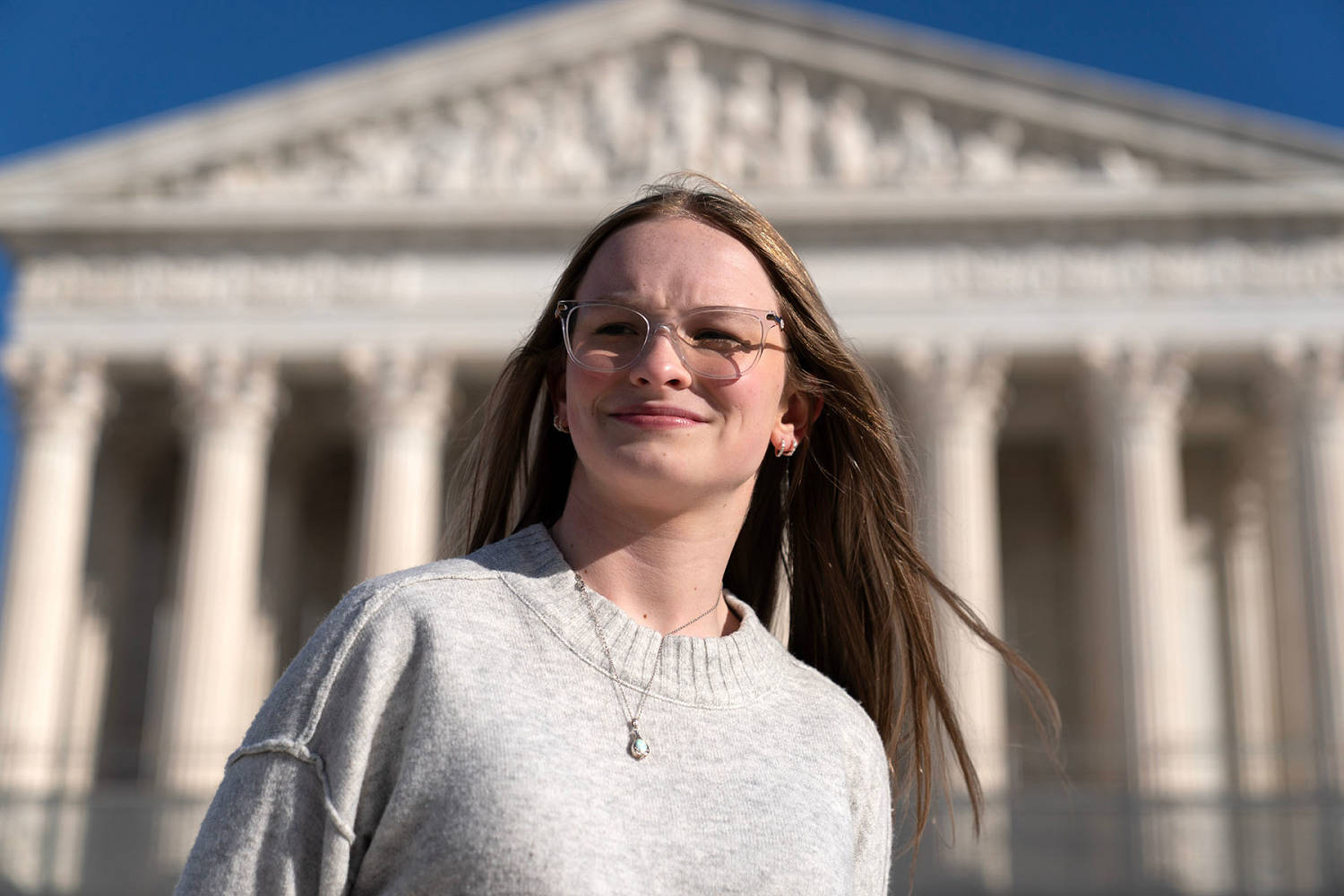
The ground just shifted for every locker room, athletic department, and public school in America. On June 30, 2026, the Supreme Court handed down a massive 6-3 decision that settles—at least legally—one of the most fiercely debated culture war issues of the decade. States have the green light to completely ban transgender women and girls from competing on female sports teams.
If you think this is just about a few isolated athletes, you're missing the bigger picture. This ruling doesn't just impact a handful of runners or swimmers. It fundamentally redefines how schools must interpret Title IX, the landmark 1972 law meant to guarantee educational and athletic equity.
The high court looked at two specific cases, West Virginia v. B.P.J. and Little v. Hecox. Writing for the conservative majority, Justice Brett Kavanaugh stated that neither Title IX nor the Constitution’s Equal Protection Clause forces schools to look past biological sex when managing sports teams.
The Core Argument That Swayed the Bench
The legal battle didn't hinge on hurt feelings or political talking points. It came down to raw statutory interpretation and biology. The majority opinion focused heavily on the original intent of Title IX. When the law passed over 50 years ago, "sex" meant biological sex at birth. The court decided that changing that definition requires congressional action, not judicial activism.
Kavanaugh wrote that states can maintain women's and girls' sports strictly for biological females to ensure safety and fair competition. The court basically said that 99% of biological males possess significant physical advantages in strength, bone density, and lung capacity. Trying to regulate these advantages away using hormone levels is unworkable for high schools and local school boards.
A Bitter Ideological Split
The decision exposed a massive rift among the justices. While the conservative wing stood completely united, the three liberal justices didn't pull any punches in their dissent.
Justice Sonia Sotomayor even took the rare step of reading her dissent from the bench. That is supreme court shorthand for deep, profound disagreement. She argued that the facts simply didn't matter to the majority. Sotomayor pointed directly to the middle schooler at the heart of the West Virginia case, B.P.J. (Becky Pepper-Jackson), who had transitioned early and lacked the typical physical advantages of male puberty.
In her dissent, Sotomayor emphasized that the ban is absolute. It applies even if a transgender girl isn't taking anyone's spot, and even if participating is crucial for treating her gender dysphoria.
Interestingly, the liberal wing actually agreed with the conservatives on one specific slice of the statutory argument regarding Title IX's technical regulations. However, they broke away completely on the constitutional Equal Protection argument, saying the court rushed to judgment before lower courts could finish sorting out the medical and factual details.
Real Worlds and Divided Locker Rooms
The ripples of this ruling are hitting the sports world immediately. High-profile athletes have spent years aggressively lobbying both sides of this fight.
On one side, you have iconic female sports pioneers like tennis legend Martina Navratilova and Olympic swimmer Summer Sanders actively celebrating the decision. They've spent years arguing that allowing biological males into female categories destroys the very opportunities Title IX was created to protect.
On the flip side, current stars like Megan Rapinoe and WNBA icon Sue Bird slammed the ruling. They argue that sports should be inclusive and that the bans target vulnerable kids who just want to play with their friends.
The public seems to lean toward the court's view. An AP-NORC poll from late 2025 showed that roughly 60% of American adults favor requiring athletes to compete based on their sex assigned at birth.
Where the Dominoes Fall Next
Now that the Supreme Court has set the floor, the map splits into two distinct Americas.
Currently, 27 states have active laws banning transgender youth from female sports teams. Expect that number to climb quickly. Conservative legislatures that were waiting for legal cover now have a clear path to pass their own versions of the "Save Women's Sports Act."
But don't expect the blue states to follow suit. The ruling doesn't force states to ban transgender athletes; it just says they can. States like California, New York, and Connecticut will keep allowing transgender girls to play on girls' teams. This creates a massive logistical headache for regional and national tournaments. What happens when a high school team from California plays a team from Texas? The NCAA and high school athletic associations are going to have to write complex new rulebooks to navigate these state-by-state borders.
Furthermore, advocacy groups like Lambda Legal and the ACLU are already warning about the dark side of enforcing these bans. To police these laws, some states have proposed or implemented policies that allow challenges to an athlete's gender. This could lead to invasive sex-testing or medical scrutiny targeting any girl who happens to look "too athletic" or doesn't fit a traditional feminine mold.
What to Do Right Now
If you're an athletic director, coach, or school administrator, you can't afford to sit on your hands. The legal landscape just changed, and you need to adapt immediately to avoid lawsuits.
- Audit Your State Legislation: Check your specific state laws right now. If you're in one of the 27 states with a ban, ensure your registration and eligibility forms align exactly with the statutory language upheld by the court.
- Review Multi-State Travel Policies: If your school teams travel across state lines for tournaments, contact the hosting organization immediately to clarify their eligibility rules under the new ruling.
- Establish Privacy Protocols: If your state requires biological sex verification, build strict, ironclad privacy safeguards. Only designated medical personnel or senior administrators should handle this data to protect your school from severe privacy liability.
The Supreme Court just closed the book on the federal constitutional debate, but the practical, real-world logistical scramble is only just beginning.
For a deeper look into how these legal arguments developed during the initial hearings, you can watch the Supreme Court reviews state bans on transgender athletes video, which provides excellent context on the testimonies from both the state officials and the families involved.