Justice moves slowly in Canada. Sometimes, it loops right back to where it started.
The Supreme Court of Canada just ordered a brand new trial for Seyed Moshfeghi Zadeh, the driver behind a horrific downtown Vancouver collision that killed twenty-three-month-old Ocean and severely injured her father, Michael Hiva. If you've been following the legal fallout from that tragic July day in 2021, you know Zadeh was originally acquitted of dangerous driving causing death and bodily harm back in 2024.
The lower court bought an argument that has shielded bad drivers for years. Judges called it a brief lapse in attention.
That excuse just expired.
In a tight five-to-four ruling, the nation’s highest court drew a sharp, necessary line in the sand. When you barrel through a red light that has been burning red for twenty seconds in a bustling downtown intersection without touching your brakes, a three-to-five-second blackout isn't just an oopsie. It's criminal negligence.
The Core Legal Misunderstanding
For years, defense lawyers and trial judges played a specific game with distracted driving cases. They isolated the exact seconds of the crash. They timed the brain freeze.
Three seconds.
Five seconds.
Look, it was just a moment.
The Supreme Court rejected that reductionist math. Writing for the majority, the justices made it clear that the duration of your mental absence is just one piece of the puzzle. It isn't the whole picture. Context dictates culpability.
Driving a two-ton metal machine through the heart of Vancouver isn't a casual Sunday stroll. When you ignore traffic signals for twenty seconds, the surrounding environment matters. Pedestrians matter. Families on sidewalks matter.
If you ignore obvious warning signs in a high-density urban core, you don't get a legal get-out-of-jail-free card just because your eyes were glazed over for only a few seconds before impact.
What This Means for Future Cases
Legal precedents shift slowly, but this decision alters how Crown prosecutors will tackle dangerous driving charges across the country.
Too many acquittals relied on splitting hairs over fractions of a second. Judges focused too heavily on the duration of inattention rather than the catastrophic consequence of that inattention in a dangerous setting. The Supreme Court ruling fixes that analytical error.
Legal experts point out that the upcoming trial will tread familiar ground. Both sides already have the transcripts from the original proceedings. The defense can use those records to test witness consistency. The Crown can tighten its presentation.
Yet the baseline has changed. The defense can no longer wave away reckless behavior simply by timing the driver's blackout.
Accountability Behind the Wheel
We treat cars like household appliances rather than loaded weapons. People check texts, fiddle with infotainment dashboards, and zone out in heavy traffic with an alarming sense of immunity.
When tragedies happen, the legal system often scrambles to find a way to comfort the driver. We hear phrases like "it was a terrible accident" or "he's a good person who made a split-second mistake."
Accidents are unavoidable mechanical failures or unpredictable acts of nature. Running a red light for twenty seconds because you aren't looking at the road isn't an accident. It's a choice to abandon your duty of care.
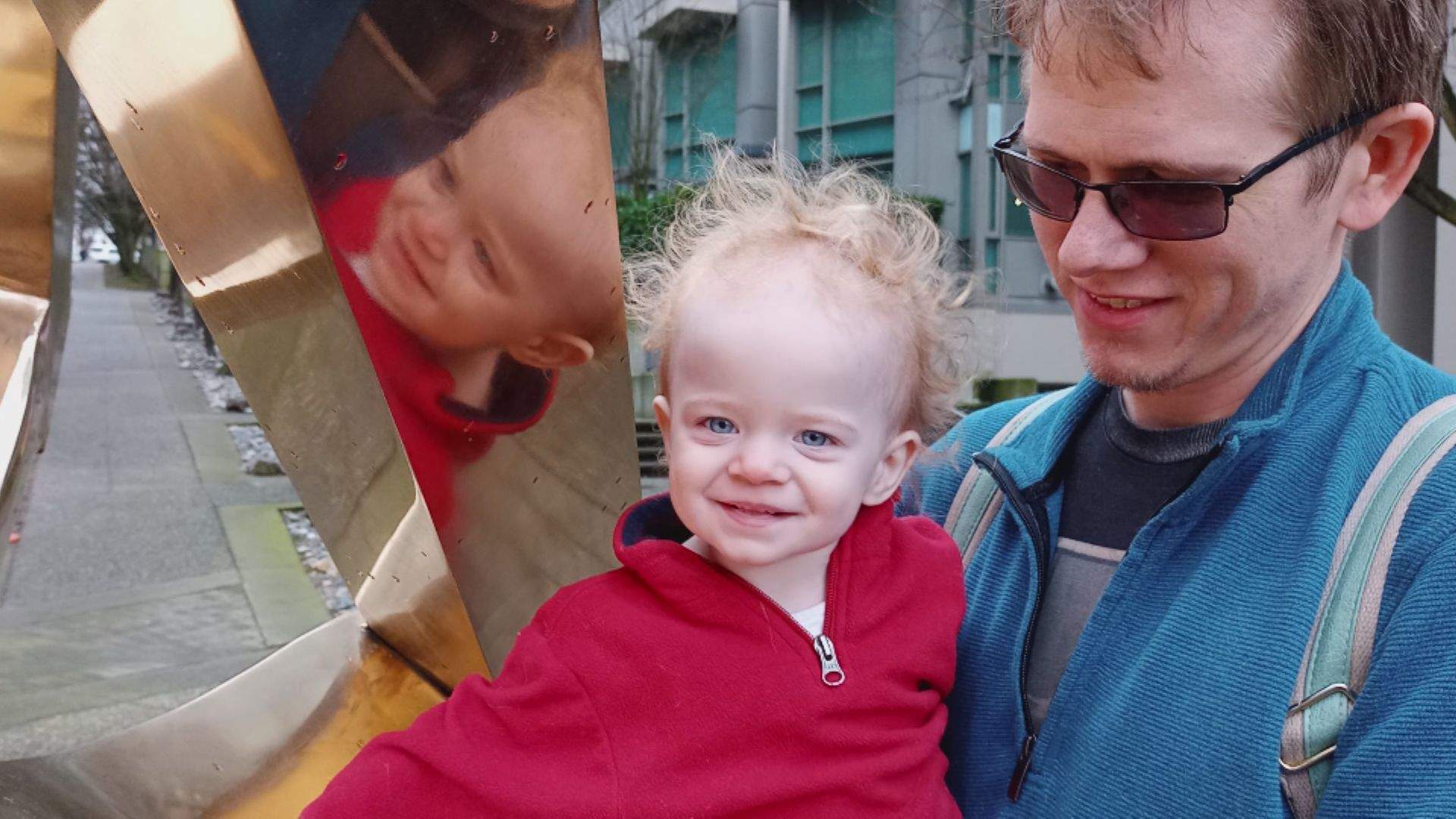
Baby Ocean never had a chance. She was in her father's arms on a downtown sidewalk when a sports car collision threw Zadeh's vehicle off the asphalt and into their lives. Her father survived the physical trauma, but a family was permanently shattered.
The legal system owes them, and every other victim of road violence, a standard of accountability that matches the real-world danger of modern vehicles.
A new trial won't bring Ocean back. It won't erase the trauma etched into her family's daily existence. But resetting the legal standard on momentary inattention ensures that courts stop making excuses for drivers who refuse to pay attention.
The rules of the road exist for a reason. Ignoring them has a body count. It's about time the law started treating it that way.