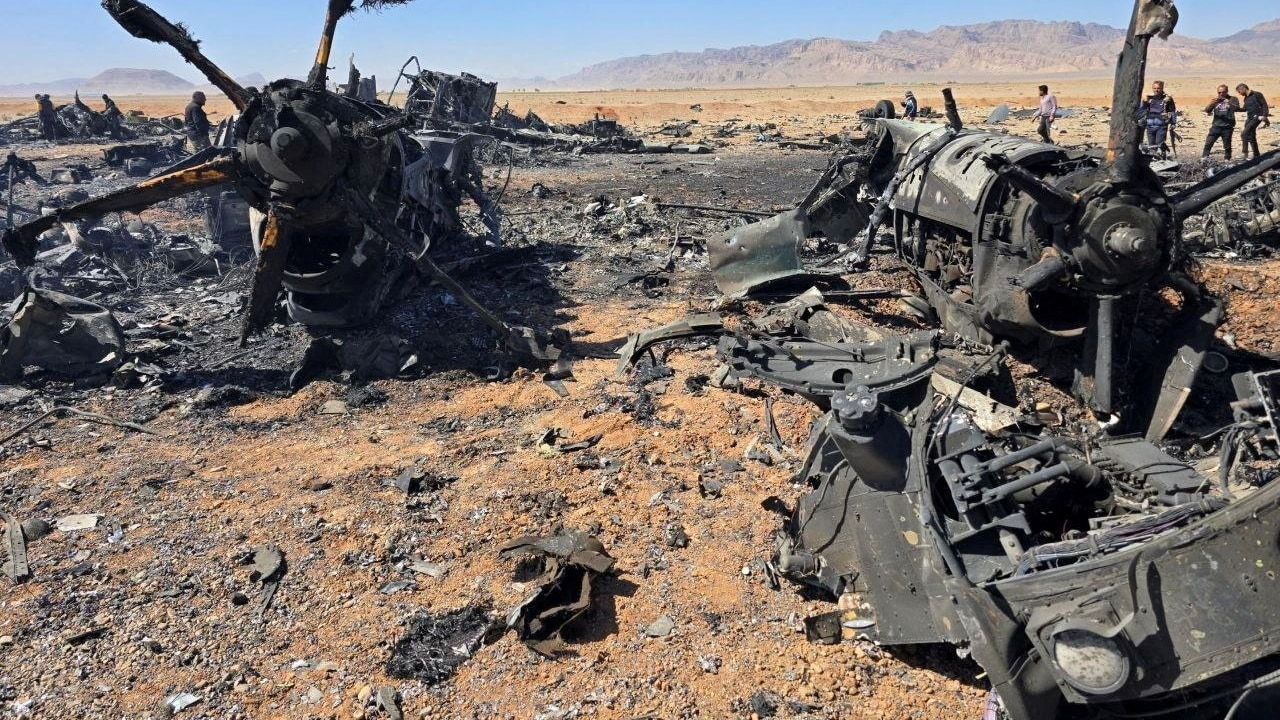
Most people assume modern military survival stories are mostly about high-tech gear and instant satellite rescues. They picture a pilot tapping a button and a chopper appearing overhead within minutes. Reality is far more brutal. When an American F-15E Strike Eagle went down after taking a hit from an Iranian shoulder-fired missile, the weapons systems officer known by the call sign "Dude 44 Bravo" didn't get an easy extraction. He got a front-row seat to a fifty-hour nightmare involving a fractured spine, a brutal seven-thousand-foot mountain climb, and hostile forces searching the valleys below.
The mission started like any other routine sortie south of Isfahan. Then came the impact. Bravo described the missile strike as feeling like a collision with a freight train. Within seconds, the aircraft was completely uncontrollable. The pilot, designated Alpha, made the split-second call to eject alongside Bravo. While Alpha touched down and found quick rescue within six hours, Bravo faced a terrifying malfunction with his parachute. Looking up to see no canopy deployed properly is the kind of image that haunts veterans for life.
Striking the Iranian ground at terminal velocity shattered his back, an arm, and a shoulder. Most people with those injuries would struggle to crawl fifty feet. Bravo looked at the jagged cliffs surrounding him, realized he was sitting in an obvious trap, and started moving upward.
The Climb Out of Hell
Pain is a strange motivator when capture means becoming a propaganda piece on state television. Bravo pushed his battered body up a grueling seven-thousand-foot ridgeline. He had almost no water, zero food, and bones that screamed with every single step. Adrenaline carries you for a mile or two, but fifty hours of isolation in enemy territory demands pure grit.
The military training machine preaches adaptation and survival, but living it is entirely different. While Bravo hid in rocky crevices, the Pentagon sprang into motion. Defense Secretary Pete Hegseth received the midnight alert, triggering a massive rescue operation. US Central Command deployed over ninety ground troops directly into Iranian territory—marking the first time American boots touched Iranian soil in nearly half a century.
Behind the Rescue Operations
Extracting a downed airman from hostile airspace isn't just about sending in helicopters. It requires a synchronized ballet of tactical air power, deception, and intelligence work.
- Air Superiority: American bombers and drones hammered Islamic Revolutionary Guard Corps units operating near Bravo's coordinates to keep enemy patrols at bay.
- Intelligence Support: The CIA executed a sophisticated electronic deception campaign to misdirect Iranian forces while tracking classified homing beacons.
- Ground Insertion: Special operations teams moved deep into contested terrain under the cover of darkness to secure the extraction zone.
When the rescue team finally located Bravo after nearly fifty hours on the ground, the relief was palpable. He called it one of the greatest moments of his life.
What This Tells Us About Modern Conflict
We live in an era where technology dominates headlines. Drones, hypersonic missiles, and electronic warfare get all the attention. Yet, this incident proves that human endurance remains the ultimate variable in combat.
You can have a thirty-million-dollar fighter jet and all the satellite imagery in the world, but when things go wrong over hostile mountains, survival comes down to raw willpower. Dude 44 Bravo didn't survive because of a gadget. He survived because he refused to quit moving, even when his spine was broken and the odds were completely stacked against him.
Stop treating military survival as a movie trope. It's cold, lonely, and agonizingly painful. If you ever find yourself facing impossible odds, remember that preparation and stubborn refusal to accept defeat matter more than any piece of equipment you'll ever carry.