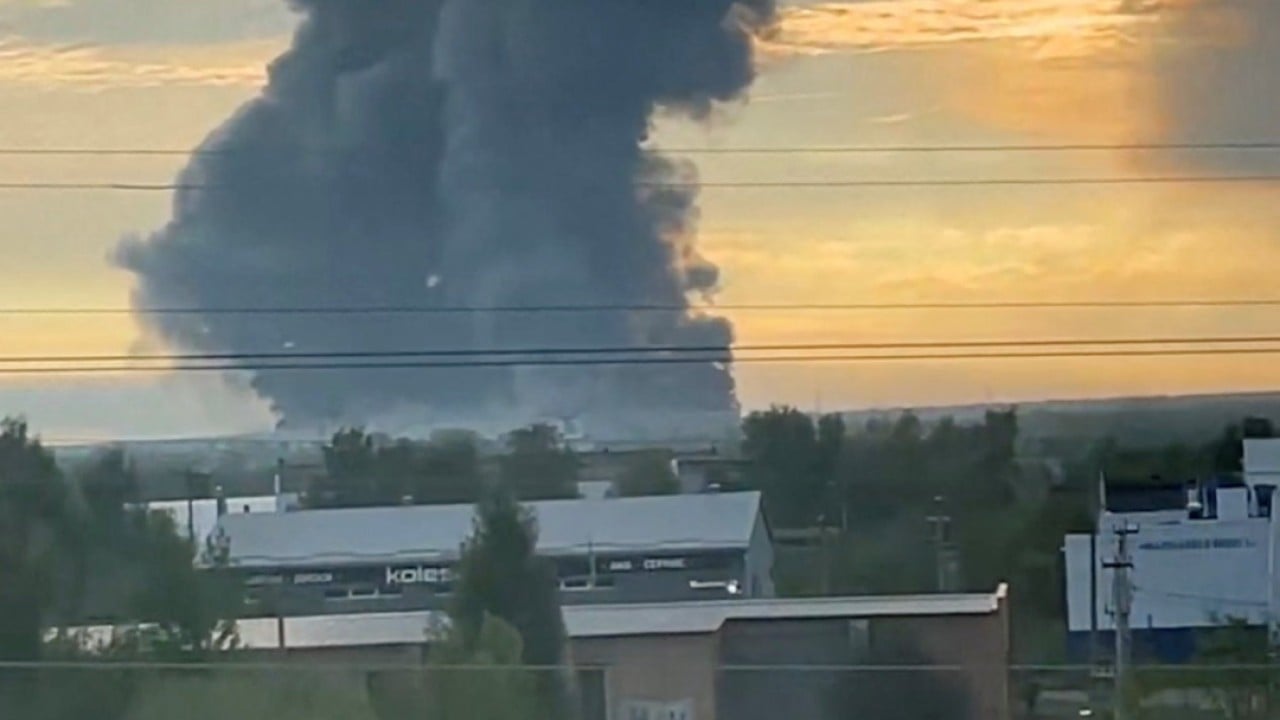
A peaceful school day in central Sweden shattered instantly when an 18-year-old carrying a sword walked into the Brinell School in Fagersta. By the time police arrested the suspect, a 17-year-old girl was dead and two teenage boys were severely injured. Now, Swedish investigators are hunting through digital footprints, trying to figure out how online extremist networks radicalize young killers.
If you are following the news, the immediate question is simple: How did an isolated teenager turn digital hate into real-world carnage? The answer leads straight into dark online corners that law enforcement has struggled to regulate.
Inside the Fagersta Digital Trail
Police sources indicate that the investigation quickly expanded past the physical crime scene into cyber networks. Investigators are focusing heavily on a TikTok account created just a month before the attack. Twenty minutes before the violence started, that account uploaded an image of a sword taken inside a school restroom.
The account did not exist in a vacuum. Before authorities forced it down, the profile featured explicit references to historical mass violence in Sweden, alongside praise for Norwegian far-right mass murderer Anders Behring Breivik. One video on the page specifically highlighted the notorious 2015 school attack in Trollhättan, where a masked assailant used a sword to kill a teaching assistant and two students.
This pattern points directly to copycat culture. Online communities thrive on glorifying past attackers, turning disturbed youths into internet martyrs within closed chat rooms and video-sharing algorithms.
The Broader Threat of Radical Online Subcultures
Sweden isn't a stranger to horrific school violence, but the digital dimension of these tragedies has evolved aggressively. When teenagers spend hours absorbing extremist content, algorithmic rabbit holes pull them deeper into fantasies of notoriety.
According to public broadcaster SVT, the 18-year-old suspect was a former student at the Brinell School who already carried a previous conviction for assault. Wearing a helmet and armed with a cold-blooded weapon during active classes of roughly 400 to 500 students, the attacker executed a plan that bore terrifying similarities to past Nordic atrocities.
Cyber investigators are now combing through hardware, message logs, and social media followers to find co-conspirators or online cheerleaders who egged him on. Prosecutors have officially detained the man on suspicion of murder and multiple counts of attempted murder, but the digital forensic work is only beginning.
Political Shockwaves and National Grief
The tragedy has instantly upended Swedish politics. Prime Minister Ulf Kristersson and opposition leader Magdalena Andersson rushed to Fagersta to meet with grieving families and inspect the site. High-profile political figures cancelled scheduled campaign speeches ahead of the upcoming September 13 election, recognizing the raw national trauma.
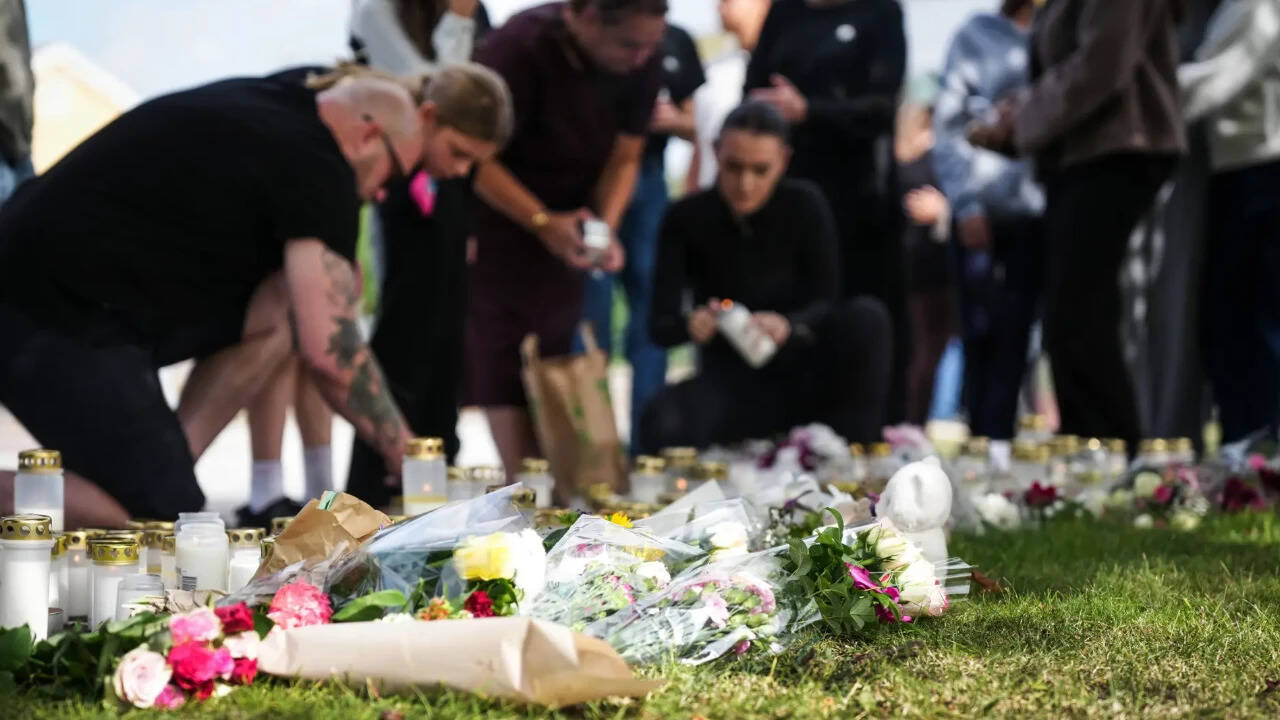
King Carl XVI Gustaf released a formal statement expressing deep dismay and sadness over the lives shattered at Brinellskolan. Meanwhile, local residents gathered at makeshift memorials outside the school gates, leaving candles and flowers to mourn a 17-year-old whose future was stolen on a routine school day.
Tech platforms must answer hard questions about how accounts glorifying mass killers stay active long enough to broadcast warning signs. Until digital oversight catches up with offline violence, schools remain vulnerable to the ghosts of the internet.