You won't find a single coffee plantation in the Swiss Alps. The climate is completely wrong, the altitude doesn't help, and snow doesn't exactly scream tropical agriculture. Yet, if you look at the hard trade data, this landlocked nation is comfortably sitting as one of the top coffee exporters on earth. In fact, it routinely out-shines almost every single traditional coffee-growing country, trailing only industrial giants like Brazil in total export value.
It feels like a contradiction. How does a country with zero agricultural capacity for a crop become its global powerhouse? Recently making headlines recently: Why Chinese Investors Just Dumped A Record Amount Of Gold.
The answer isn't about farming. It's about a highly coordinated, multi-billion-dollar apparatus of processing, trading, and regulatory cleverness. If you want to understand how modern global trade actually works, you have to look at how Switzerland captures the majority of the profit from a bean harvested thousands of miles away.
The Essential Transformation Loophole
International trade law has a fascinating quirk. If you import a raw material and significantly alter it, you can legally claim the finished product originated in your country. Switzerland has mastered this rule. More information into this topic are covered by CNBC.
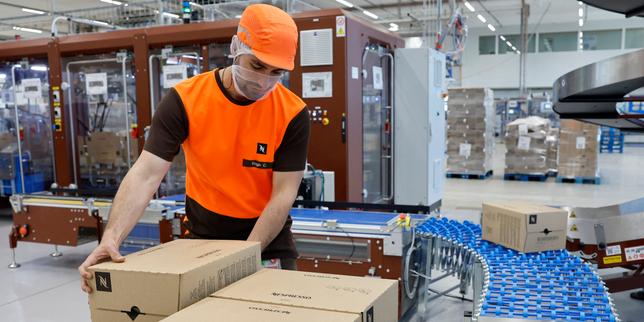
Swiss firms import massive quantities of green, unroasted coffee beans from the global south—predominantly from Brazil, Colombia, and Vietnam. These raw beans are worth relatively little on their own. Once they cross the Swiss border, they enter high-tech roasting facilities.
This roasting process is what international trade bodies classify as an essential transformation. By baking the beans, grinding them, or sealing them into aluminum capsules, Swiss manufacturers legally transform raw foreign commodities into "Swiss-made" luxury exports.
This isn't a minor operation. Roasted and ground coffee products represent a massive chunk of Swiss food exports, generating over $3.6 billion annually. Think about companies like Nestlé and its Nespresso brand. They don't sell agricultural commodities; they sell a branded lifestyle concept packaged in precisely engineered single-serve pods. The actual cost of the green coffee bean inside that pod represents a tiny fraction of the retail price you pay at the counter. The rest of that margin stays right in Switzerland.
The Secret Capital of the Coffee Trade
Processing the beans is only half the story. Long before the coffee ever reaches a roasting machine, the financial fate of those beans is decided in places like Geneva, Zug, and Lausanne.
Switzerland handles over 50% of the world's physical coffee trading.
Major commodity trading houses are concentrated in Swiss cantons for reasons that have very little to do with the romance of coffee culture. The country offers a highly specialized ecosystem:
- Tax Efficiency: Low corporate tax rates and favorable fiscal structures for international trading operations.
- Trade Finance: Swiss banks are global leaders in commodity financing, providing the massive lines of credit needed to move thousands of shipping containers across oceans.
- Legal Infrastructure: High political stability and a legal system optimized for complex international contract dispute resolution.
When a Swiss trader buys a shipment of Arabica from Guatemala and sells it to a roaster in Germany, the physical beans might never even touch Swiss soil. The transaction, the risk management, and—crucially—the profits flow directly through Swiss bank accounts.
The Myth of Clean Coffee
This concentration of market power brings heavy scrutiny. The latest industry findings, including data from the 2026 Coffee Barometer, highlight a persistent structural disconnect in the global market.
While Swiss roasters and traders successfully capture stable, premium margins, the actual farmers performing the manual labor face intense economic precarity. Even when global commodity prices experience sharp spikes, the financial rewards rarely trickle down to smallholder farms.
According to global market research, roughly 95% of the world’s 12.5 million coffee-growing households cultivate plots smaller than five hectares. In eight of the ten largest producing nations, the average farming household still falls short of earning a basic living income.
The contrast is stark. Switzerland has built an incredibly lucrative economic engine by branding coffee as a premium, Swiss-crafted luxury asset. Meanwhile, the baseline producers absorb the systemic shocks of climate vulnerability, rising fertilizer costs, and extreme market volatility.
Actionable Next Steps for Brands and Sourcing
If you are a business owner, roaster, or professional operating within the food and beverage space, Switzerland's model provides a clear blueprint—and a warning—for the future of supply chains.
Pivot to Value-Add Processing
Do not compete on raw commodity volume. The margin is entirely in the processing, branding, and proprietary packaging. If you want to protect your bottom line against volatile raw material prices, invest heavily in local roasting capabilities and unique product formats rather than just trading raw green beans.
Audit for Future Compliance
Regulatory frameworks are shifting rapidly. Europe is tightening supply chain transparency laws regarding deforestation and human rights. Relying entirely on traditional Swiss trading hubs to filter out supply chain risks is no longer a safe bet. You need direct visibility into your sourcing.
Build Direct-Trade Relationships
As consumers become increasingly aware of the structural inequities highlighted in reports like the Coffee Barometer, the marketing power of "Swiss-processed" luxury is facing pushback. Brands that establish verifiable direct-trade partnerships with growers can bypass standard trading desks, secure better quality, and tell a genuine sustainability story that resonates far better than a corporate compliance certificate.