Hotlines ring at midnight. Neighbors show up with groceries on Tuesday morning.
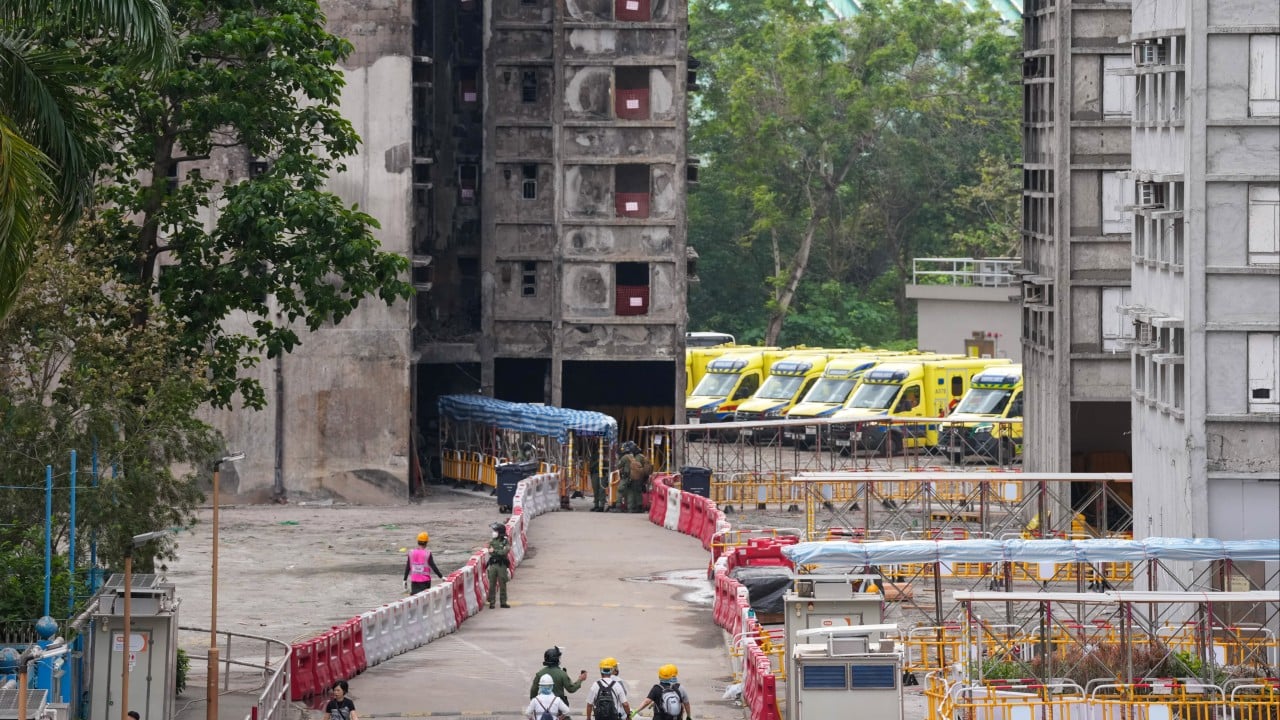
After the devastating November 26, 2025 fire at Wang Fuk Court in Tai Po—a tragedy that claimed lives, destroyed homes, and displaced thousands of residents—Hong Kong rushed out crisis numbers and emergency relief. Over 3,000 residents have since received mental health support to deal with the crushing reality of losing loved ones and everything they owned.
Yet a phone line alone can't rebuild a shattered sense of safety when your bedroom is now a temporary room in transitional housing. That's why turning to community networks for Tai Po fire survivors' mental health isn't a nice-to-have backup plan. Honestly, it's the only way care actually sticks when the initial news cameras leave and the daily grind of displacement sets in.
Why Crisis Hotlines Miss Half the Picture After a Fire
When a catastrophe hits a dense neighborhood like Wang Fuk Court, institutional systems move first. You see 24-hour hotlines, psychiatric nurse lines, and emergency clinic referrals rolled out quickly. Those services matter—especially when someone is spiraling or needs an immediate risk check.
Still, anyone who has watched post-disaster recovery up close knows the gap between offering help and reaching people. Grief doesn't run on office hours, and trauma often shows up sideways. A parent might not call a mental health line, but they might mention to a school counselor or a neighbor that their kid wakes up screaming or refuses to sleep with the lights off. An older resident living in temporary accommodation might feel awkward dialing a stranger to admit they can't stop replaying the alarm sirens.
Stigma still lingers in Hong Kong around admitting emotional strain, particularly when people feel pressure to stay strong for family. When support lives inside familiar neighborhood spaces—schools, local health hubs, youth programs, and trusted NGOs—asking for help feels less like a clinical confession and more like a normal conversation.
How Community Networks Actually Work on the Ground
A strong community safety net isn't one big office. It's a web of people who already know the block, the schools, and the local rhythms.
Around the Tai Po fire response, several layers of community and cross-sector support have taken shape:
- District Health Centres and primary care: Rather than forcing displaced residents to navigate unfamiliar hospital queues alone, District Health Centres across all 18 districts have helped coordinate care and connect affected residents with family doctors and clinics, regardless of where they ended up staying.
- NGOs and trauma-informed outreach: Groups like Mind HK have run screening assessments, wellbeing check-ins, and outreach directly across transitional housing sites and community spaces, pairing psychological support with practical referrals.
- Schools and child-focused spaces: Displaced kids lose their routines fast. Initiatives from organizations like Save the Children Hong Kong, working alongside university researchers and local schools, have set up safe spaces, play and expressive arts support, and workshops for parents and teachers.
- Specialized and overlooked groups: Disasters hit different households unevenly. Bereaved families need dedicated long-term care, carers of elderly or disabled loved ones carry extra weight, and migrant caregivers often face language or isolation barriers during a crisis.
What makes this model work—when it's done right—is proximity. If a worker is already visiting a transitional housing block or a school campus, trust builds through small, repeated contact instead of a cold intake form.
The Hidden Traps in Post-Disaster Mental Health
Let's be real about what trips up well-meaning recovery efforts. Most failures don't come from bad intentions; they come from blind spots.
Housing Stress Keeps the Nervous System on Edge
You can't easily process trauma when you don't know where you'll be living next year. Mental health experts have pointed out how housing instability—moving between hotels, hostels, and transitional housing—drags out psychological recovery. When daily life feels temporary and uncertain, the brain stays in threat-monitoring mode. Therapy helps, sure, but stable housing and clear practical support are part of mental health too.
The "One-and-Done" Workshop Mistake
A single mental health talk or a weekend wellness booth feels active and visible. Yet a one-off seminar rarely shifts deep grief or post-traumatic stress. Real recovery takes steady follow-through—screening people early, offering evidence-based care like trauma-focused therapies when symptoms linger, and checking back in months later.
Burnout Among Frontline Helpers
Social workers, teachers, volunteers, and community staff absorb a staggering amount of secondhand distress. If nobody supports the helpers, turnover spikes and empathy wears thin. Training local staff and volunteers in practical emotional support—while giving them space to decompress—keeps the network standing.
Where Community Networks for Tai Po Fire Survivors' Mental Health Go Next
A year on from the fire, the conversation has to shift from emergency triage to durable, everyday support. Some people bounce back with family help and time. Others carry quiet, heavy wounds that only surface once the immediate paperwork and donations settle down.
Supporting community networks for Tai Po fire survivors' mental health means funding the unglamorous pieces: consistent outreach in transitional estates, school-based support that helps kids rebuild routines, culturally adapted care, and coordination between medical clinics and social services. Communities don't heal on a neat timeline, and neither do the people inside them.
Practical Next Steps If You Want to Help or Get Support
- If you or someone you know is struggling: Reach out to a dedicated support line—such as Hong Kong's 24-hour Mental Health Support Hotline (18111), the Hospital Authority's 24-hour Mental Health Direct (2466 7350), or the Social Welfare Department hotline (2343 2255)—or contact a local District Health Centre or NGO program like Mind HK.
- If you're a parent, teacher, or caregiver: Watch for persistent sleep trouble, irritability, withdrawal, or school changes in children and teens, and tap into school-linked counseling or family workshops rather than waiting for a crisis.
- If you want to support local recovery: Back verified community programs with ongoing capacity rather than only one-day events, and check official portals like Tai Po Fire Support Services or trusted charities before donating or volunteering so help goes where it's actually needed.