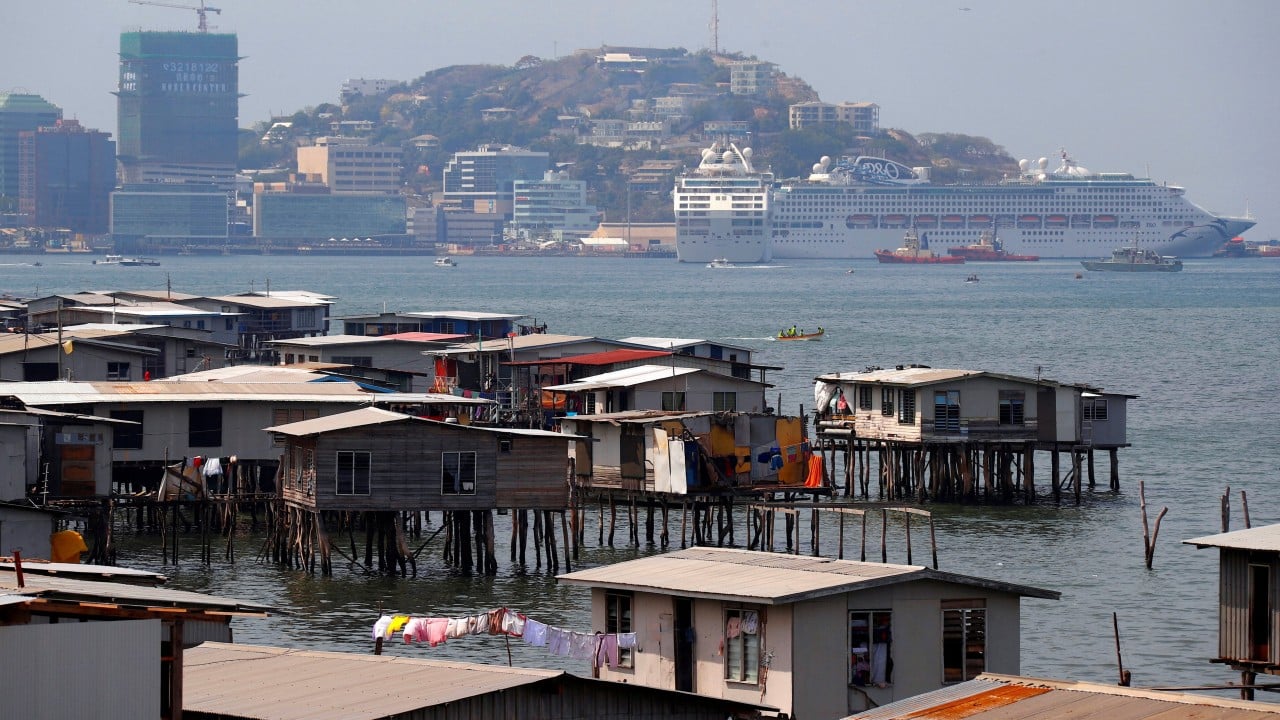
Papua New Guinea just handed Taiwan an eviction notice, and Taipei is already looking at the energy bill.
When Papua New Guinea Foreign Minister Justin Tkatchenko abruptly announced the immediate closure of the Taipei Economic Office in Port Moresby, he claimed the office "doesn't do anything" for business. He asserted that existing multi-billion-dollar liquefied natural gas (LNG) contracts would remain completely unaffected. You might also find this similar coverage insightful: Why The Court Freeze On The Paramount Warner Merger Changes Everything For Hollywood.
He's wrong. You don't insult your third-largest gas customer and expect business to carry on as usual.
Taiwanese Foreign Minister Lin Chia-lung fired back instantly, calling the closure a unilateral capitulation to Chinese coercion. More importantly, Lin publicly confirmed that Taipei is actively reviewing its massive LNG imports from the Pacific nation. As highlighted in latest articles by Investopedia, the effects are significant.
This isn't just a minor diplomatic spat in the South Pacific. It's a high-stakes game of chicken involving core national security, vital energy supply chains, and hundreds of millions of dollars in state revenue.
The Massive Dollar Value at Risk
Let's look at the actual numbers because they expose exactly how reckless Port Moresby's move really is.
Papua New Guinea relies on LNG for more than 40% of its total export earnings. It's the literal bedrock of their economy. Taiwan buys roughly 1.2 million metric tons of that gas every single year.
To put that into perspective, Taiwan purchases nearly one-third of all the LNG Papua New Guinea exports to the world.
When Tkatchenko acts like closing the diplomatic office has zero economic relevance, he's ignoring basic market leverage. If Taiwan decides to pivot its state-owned energy buyer, CPC Corp, away from Papua New Guinea when these contracts come up for renewal, Port Moresby will face a catastrophic fiscal shortfall. Beijing might offer praise and political high-fives, but they aren't going to easily replace a buyer that reliably absorbs a third of your primary export product.
The Geopolitical Chokepoint Taiwan Wants to Guard
From Taiwan's side, buying gas from the southern hemisphere isn't just about keeping the lights on. It's about survival.
Right now, a huge chunk of Taiwan's energy supply has to sail through the Strait of Hormuz and the highly contested Malacca Strait. If a conflict breaks out with Beijing, those shipping lanes will turn into immediate no-go zones.
The route from Papua New Guinea is different. Gas tankers sail northeast through the Coral Sea, cut past the Solomon Islands, and head straight up the Philippine Sea to Taiwan's eastern coast. It avoids almost every major maritime chokepoint that China could easily blockade.
By forcing the closure of Taiwan's office, Papua New Guinea isn't just executing a routine diplomatic shift to please Beijing. They're signaling to Taipei that this vital, resilient energy corridor might not be as secure as previously thought. If China can pressure the PNG government into shutting down a trade office overnight, what stops them from pressuring Port Moresby to halt gas shipments during a cross-strait crisis?
Taipei understands this threat perfectly. That's exactly why they're reviewing the relationship now, rather than waiting to get burned later.
What Happens Next
If you're tracking energy markets or geopolitical risks in the Pacific, watch these specific developments over the coming months:
- CPC Corp Contract Audits: Look for Taiwan’s state energy firm to quietly signal a shift toward alternative suppliers like Australia or the US to cover future volume requirements.
- Technical Mission Drawdowns: Taiwan has already hinted that its agricultural and fisheries development missions—which create significant local employment in PNG—are on the chopping block.
- US Diplomatic Counter-Pressure: The US State Department has expressed deep concern over the closure. Expect Washington to pressure Port Moresby behind the scenes, using future security cooperation agreements as leverage to keep the country from sliding further into Beijing's orbit.
Port Moresby wanted to score quick political points with Beijing ahead of their 50th anniversary of diplomatic ties. Instead, they've jeopardized their most critical economic lifeline. Taiwan has shown it's no longer willing to write blank checks to countries that treat its diplomats like second-class citizens.