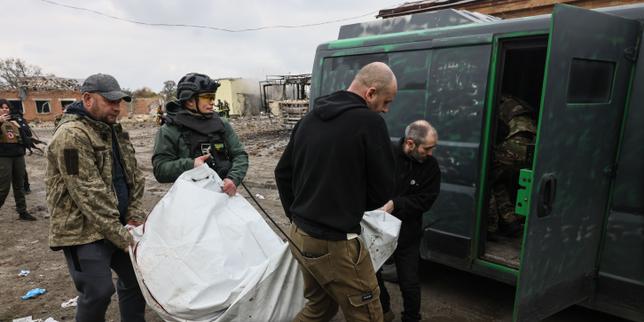
War strips away the pretense of rules long before it stops. When a strike hits a distribution center meant to keep civilians alive, the pretense evaporates entirely. Thirty-three lives extinguished in a single blow within the Zaporizhzhia region isn't just a grim statistic on a morning news ticker. It marks a calculated escalation in how civilian survival networks are systematically dismantled.
Let's look at what actually happened and why this particular attack shatters the remaining illusions about frontline logistics in the ongoing conflict in Ukraine.
The Anatomy of a Civilian Lifeline Strike
Logistics win wars, but destroying logistics against civilians breaks societies. Humanitarian hubs aren't secret military barracks. They are busy courtyards, schools repurposed into warehouses, and community centers packed with flour, winter coats, and medical kits.
When a precision-guided munition or artillery barrage targets a spot where elderly residents and families line up for bread, the intent isn't collateral damage. It's terror.
Zaporizhzhia has spent months under the shadow of the nearby nuclear plant crisis and relentless shelling. Yet, hitting an aid distribution point crosses a stark line. It targets the invisible infrastructure keeping communities breathing.
- The Target: A humanitarian distribution point providing basic survival goods.
- The Toll: At least 33 dead, with dozens more severely injured.
- The Location: Zaporizhzhia region, a contested frontline pulse point.
People living near these zones don't have the luxury of endless evacuation options. They rely on volunteer networks and international aid workers who haul supplies down roads watched by drones. When those hubs become craters, the psychological impact ripples much further than the physical blast radius.
Why Aid Distribution Centers Are Becoming Primary Targets
Strategy dictates targets. If you want to empty a region, you don't just bomb the front lines. You make staying impossible.
By turning relief stations into danger zones, the attacking forces achieve a dual objective. They disrupt civilian morale and force local authorities to divert scarce security and medical resources away from active defense zones.
I've watched how frontline logistics operate. You depend on predictability. Trucks arrive at dawn. Volunteers unload pallets. Neighbors gather to collect their rations. Everyone knows the routine. When that routine is shattered by sudden explosive violence, rebuilding trust takes months—time that starving or freezing populations simply don't have.
International humanitarian law designates these sites as protected. But paper treaties don't deflect shrapnel. The reality on the ground in Zaporizhzhia proves that protection mechanisms are failing precisely where they are needed most.
The Broader Impact on Regional Resilience
You can't separate military strategy from humanitarian survival in modern warfare. Every bag of grain delivered keeps a civilian from fleeing westward, maintaining a fragile demographic anchor in the east and south.
When strikes wipe out dozens of civilians at a distribution point, the immediate consequences are agonizingly clear:
- Supply Line Paralysis: Local drivers and international NGOs pause operations to reassess security risks, leaving remote villages completely cut off.
- Medical System Strain: Local hospitals in Zaporizhzhia get flooded with mass casualty influxes, overwhelming surgical units already stretched thin.
- Psychological Isolation: Survivors feel abandoned by the international community's inability to secure humanitarian corridors.
This isn't an isolated tragedy. It fits a pattern of attrition designed to grind down civilian endurance.
What Comes Next for Frontline Relief Operations
Aid workers face an impossible choice. Stop deliveries and let people starve, or keep going and risk becoming a high-profile statistic. Most choose to keep going, adapting by decentralizing warehouses, using smaller unmarked vehicles, and shortening distribution windows.
Yet, smaller footprints mean slower deliveries. The human cost of these adaptations accumulates quietly behind the headline numbers.
We need to stop viewing these events as sudden accidents of war. They are deliberate choices made by commanders who understand the value of a humanitarian meal to a desperate family.
Support the local grassroots groups currently scrambling to restock Zaporizhzhia. Demand accountability mechanisms that track attacks on civilian infrastructure with the same rigor applied to battlefield movements. Survival shouldn't require dodging artillery just to collect a box of groceries.