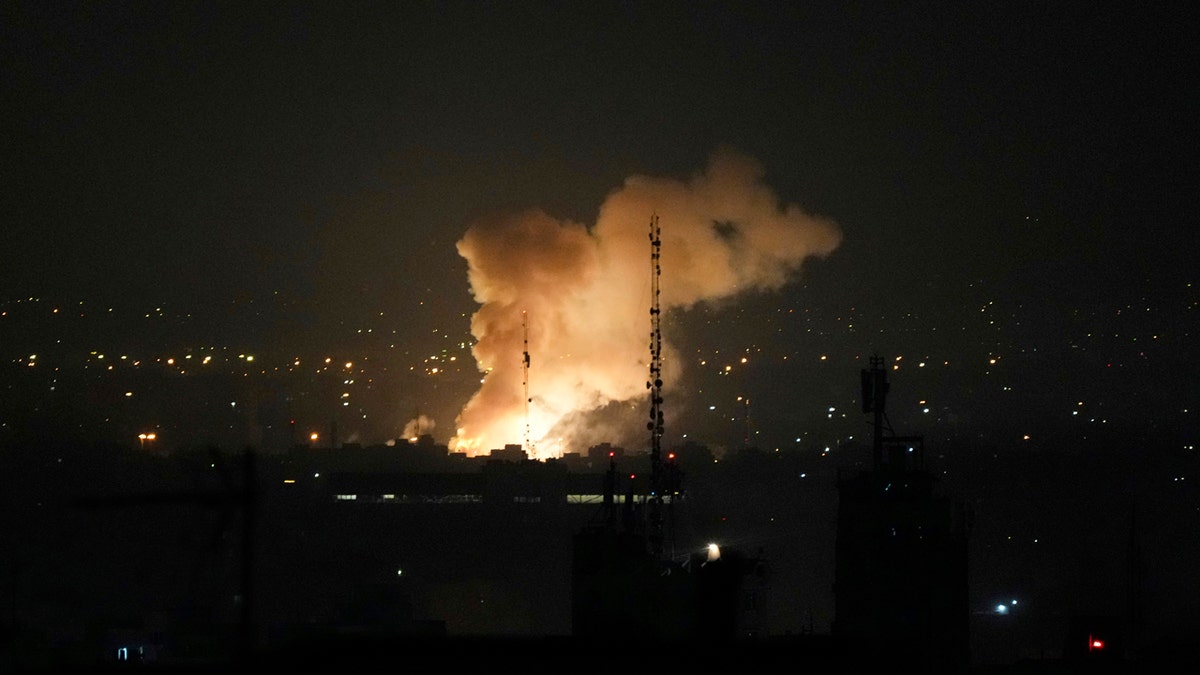
Air raid sirens and burning distribution centers are no longer confined to military barracks or oil refineries in Russia. Ukraine's long-range strategy has shifted toward the beating heart of domestic consumption. By systematically hitting massive logistics hubs operated by online retail giants like Wildberries, Kyiv is bringing the realities of the war straight to the living rooms of ordinary citizens.
For years, the Kremlin worked hard to insulate its domestic population from the economic fallout of its full-scale invasion. Supermarket shelves remained stocked, and online shopping apps delivered goods with routine efficiency. That bubble is bursting. Drone assaults reaching hundreds of kilometers deep into Russian territory are rewriting the psychological contract between the Russian public and the state.
Striking Where It Hurts
The recent wave of drone operations and coordinated cyber disruptions has targeted more than a dozen major distribution depots. Facilities spanning from Moscow Oblast down to southern regions and eastward toward the Ural Mountains have faced destructive blasts. Wildberries, often described as Russia's equivalent to Amazon, has seen massive fulfillment centers reduced to smoldering rubble.
This isn't random destruction. Logistics infrastructure serves a dual purpose in modern economies. When massive warehouses burn, the economic shockwaves ripple outward instantly:
- Merchant Inventory Losses: Hundreds of thousands of independent small-scale vendors lose millions of dollars in stored merchandise overnight.
- Financial Strain: Major retailers rely heavily on substantial credit lines from state-backed institutions like VTB, meaning prolonged disruptions threaten systemic debt defaults.
- Supply Chain Paralysis: Delivery delays disrupt everything from clothing and electronics to basic household goods across multiple time zones.
Cracking the Illusion of Normalcy
President Vladimir Putin's administration relies heavily on public apathy to sustain its military campaigns. As long as daily life feels normal, dissent remains manageable. But when a massive 250,000-square-meter fulfillment hub catches fire near Moscow, the illusion shatters.
Shoppers face canceled orders, delayed refunds, and crippled customer service portals. These inconveniences provoke questions that state television broadcasts try desperately to avoid. People who previously ignored distant military fronts now see the war disrupting their ability to buy everyday goods.
Military analysts note that psychological pressure can be just as damaging as physical munitions. By taking aim at consumer convenience, Ukraine is forcing the Russian populace to confront the economic cost of the conflict. It turns abstract geopolitical statistics into tangible, everyday frustrations.
The Broader Economic Ripple
The damage extends far beyond angry consumers and frustrated merchants. Wildberries is a titan helmed by Tatyana Kim, one of the country's most prominent business figures. Shaking an enterprise of that scale destabilizes the broader retail ecosystem.
As warehouses close and distribution bottlenecks multiply, commercial real estate values drop, logistics firms scramble for insurance payouts, and lenders reevaluate risk exposure. The financial friction slows down tax revenues and ties up capital that could otherwise support industrial production.
Ukraine's deep-strike strategy proves that modern conflict is won or lost in the logistics chain. Hitting high-value commercial targets alters the calculus in Moscow. Convenience is casualty number one, and the cost of the war is finally hitting home.