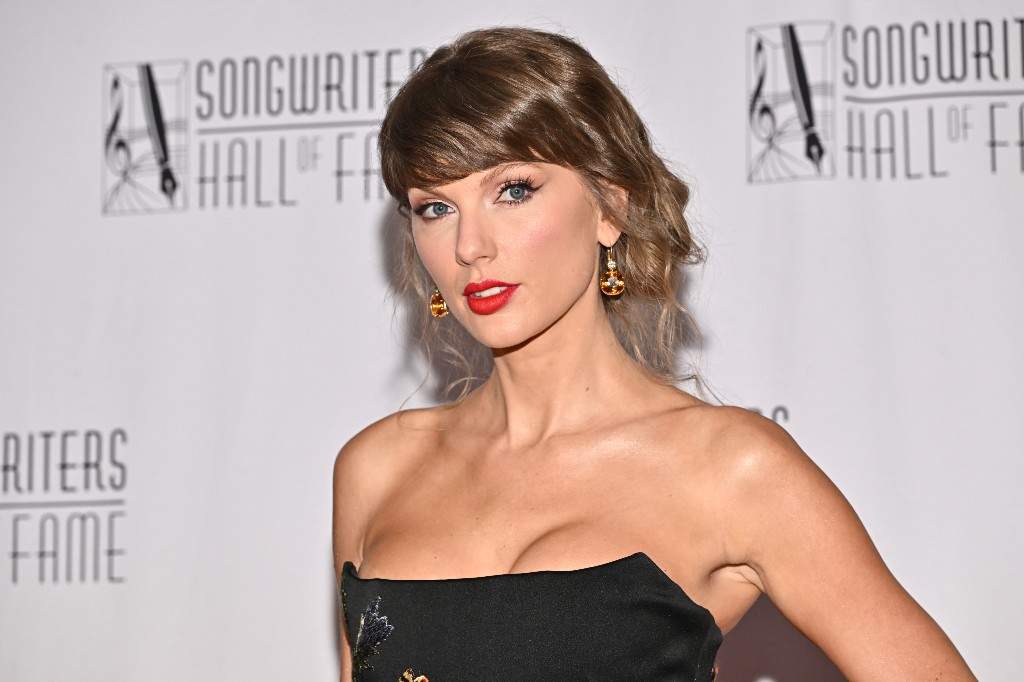
You cannot own the concept of rain. You cannot trademark the feeling of being gaslighted, and you definitely do not hold a monopoly on complaining about a patriarchal workplace. That is the fundamental lesson of the latest Taylor Swift copyright lawsuit, which a federal judge just threw out of court with absolute finality.
On July 6, 2026, U.S. District Judge Aileen Cannon dismissed a massive multi-million-dollar lawsuit filed by Florida poet Kimberly Marasco against Swift, Universal Music Group, and Republic Records. Marasco claimed that the pop star systematically ripped off her self-published poetry books to write more than a dozen hit songs across five different albums. The list of accused tracks included massive hits like Down Bad, The Man, My Tears Ricochet, and I Can Do It With a Broken Heart.
The case did not just lose. It imploded. Judge Cannon dismissed the lawsuit with prejudice, meaning the plaintiff is legally barred from fixing the paperwork and trying again. If you have been reading the sensationalized headlines suggesting Swift barely escaped a plagiarism trap, you are getting the wrong story. This lawsuit was legally flawed from the exact moment it was filed.
The reality behind the Taylor Swift copyright lawsuit
To understand why this case evaporated so quickly, you have to look at what the lawsuit actually claimed. Marasco, who represented herself without an attorney, argued that Swift combed through her self-published poetry collections, including titles like Fallen from Grace and Swift Reflections, to steal her unique expressions.
The alleged theft did not involve stolen melodies, identical chord progressions, or ripped audio files. This was entirely about lyrics and themes. For example, Marasco pointed to Swift’s hit song The Man, which features the lyric about running as fast as you can and wondering if you would get there quicker if you were a man. Marasco claimed this infringed on her own poem, Ordinary Citizen, simply because both pieces of writing deal with a woman trying to make it in a male-dominated corporate environment.
In another claim, the lawsuit pointed out that Swift sang the phrase I was midnight rain, while Marasco’s poem contained the line saying the smog consumes me as I rain with the clouds. The lawsuit essentially tried to map individual poems onto individual pop songs, demanding at least twenty-five million dollars in damages.
But copyright law does not protect vibes. It does not protect emotional alignment. It protects specific, concrete expressions of creative work. When you strip away the massive dollar figures and the celebrity names, you are left with a collection of everyday words and themes that belong to the public domain.
You cannot copyright a vibe or a common word
The court order made it incredibly clear that the plaintiff failed to identify a single piece of actual protected expression. Judge Cannon noted that the overlaps Marasco complained about were merely basic ideas, ubiquitous metaphors, and isolated words.
Think about how music is written. Songs frequently rely on common human experiences. Love, betrayal, heartbreak, and resilience are the building blocks of creative writing. If the legal system allowed the first person who wrote a poem about a bad relationship to sue everyone else who wrote a song about a breakup, the entire music industry would grind to a halt tomorrow.
Marasco’s lawsuit tried to claim ownership over concepts like a woman confronting adversity, being submerged under water, or using tears as a weapon. The legal team representing Swift rightly pointed out that words like fire, love, or heart cannot be hoarded by a single writer.
The plaintiff actually doomed her own case within the text of her complaint. In her filings, she frequently described the alleged copying as a paraphrase or a rephrase featuring minor word substitutions. By admitting that the lyrics were merely similar in concept rather than identical in phrasing, she essentially handed the defense its winning argument. Under federal copyright standards, a plaintiff must prove substantial similarity. If your own court documents admit that the works are just vague rephrasings of common tropes, you have already lost the battle.
The fatal flaw of proving access in modern music litigation
There is another massive hurdle in any plagiarism case that many independent creators fail to realize. You cannot just show that two things look or sound alike. You have to prove that the defendant actually had access to your work before they created theirs.
How does an independent writer prove that an international superstar read a specific self-published book? Marasco claimed her books had wide dissemination. The reality was much different. Court documents revealed that one of her primary poetry books had only sold roughly three thousand copies worldwide. On top of that, the books were not even currently being actively marketed or distributed on major bookstore platforms.
The lawsuit tried to use an online press release as proof of widespread fame. Anyone can buy a press release distribution service to push an article onto the internet. That does not mean Taylor Swift or her co-writers like Jack Antonoff or Aaron Dessner ever stumbled across it.
Without proof of actual access, a copyright lawsuit requires the two works to be so strikingly identical that coincidence is completely impossible. Because the court found that the poems and the songs were not even substantially similar, the access argument fell completely flat. It is simply an implausible stretch to assume a billionaire pop icon is digging through obscure, self-published poetry registries to find common phrases like midnight rain.
Why megastars face these legal battles constantly
This is far from the first time Swift has found herself in a federal courtroom defending her lyrics. You probably remember the years-long legal saga over her hit Shake It Off, where songwriters claimed she stole the phrase players gonna play and haters gonna hate. That case dragged on for a long time before finally being settled and dismissed.
Pop stars are massive financial targets. When you operate at the level of global stadium tours, your name alone generates billions of dollars in economic activity. This makes artists incredibly vulnerable to copyright trolling and frivolous lawsuits from litigants who genuinely convince themselves that their diary entries or garage band demos inspired a global hit.
It is a psychological trap that happens a lot in creative communities. You write something personal. A few years later, you hear a massive star sing something that mirrors your exact emotional state or uses a similar metaphor. It feels intensely personal. It feels like theft. But statistically, with millions of songs being written every year, people are bound to use the same basic words. The legal system is designed to filter out these emotional grievances so that artists can continue to create without constant fear of a multi-million-dollar judgment over a generic metaphor.
Actionable lessons for independent writers and creators
If you write music, poetry, or fiction, you need to understand the boundaries of intellectual property so you do not waste your time fighting unwinnable battles.
First, focus on original phrasing rather than common tropes. If you want your work to be legally defensible, avoid relying on clichéd metaphors like burning fires of desire or crying oceans of tears. The more unique and specific your sequence of words, the easier it is to protect.
Second, document your creation process. Keep dated voice notes, original drafts, and timestamped files. If you ever need to prove you wrote something first, a clear paper trail is your best weapon.
Third, understand that copyright protects the execution, not the idea. You can write a story about a young wizard going to a magical boarding school, and J.K. Rowling cannot sue you for it. But if your wizard has a lightning bolt scar and a pet owl named Hedwig, you are crossing the line into protected expression.
Stop overthinking random coincidences in pop music. Put your energy into building your own audience and protecting your specific lines of text through proper copyright registration. The legal system has made its stance clear, and it will not entertain lawsuits built entirely on shared vibes. Let the Swift case be the definitive reminder that common words belong to everyone. Be unique, write exactly what is yours, and leave the generic metaphors in the public domain where they belong.