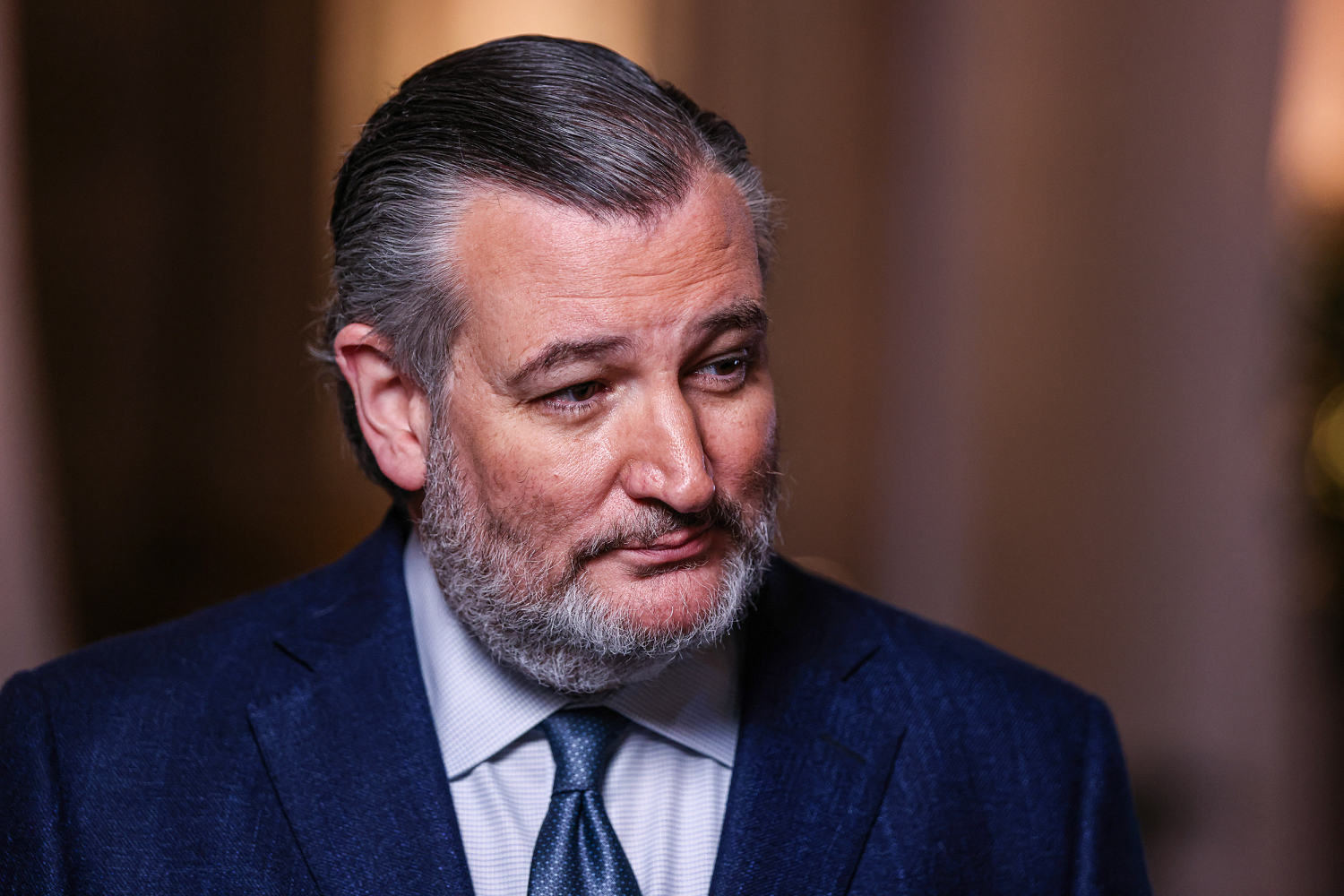
Elections leave scars, but few political figures react quite like Texas Senator Ted Cruz. Following a brutal 2026 midterm cycle that upended the political map, Cruz didn't just acknowledge defeat. He labeled the outcome a "Watergate-level repudiation" for the Republican party.
When a seasoned partisan uses historical touchstones like Watergate, it demands attention. Voters didn't just express mild dissatisfaction at the ballot box. They delivered a resounding message that shook political establishments from Washington to Austin.
What Actually Happened in the Midterm Wave
The 2026 midterms brought severe losses for the GOP, highlighted by shocking upsets. Most notably in Texas, Democrat James Talarico captured a crucial U.S. Senate seat, leaving Cruz as the sole remaining statewide elected Republican in the Lone Star State. Billions of dollars in campaign spending, including massive financial pushes from tech figures like Elon Musk backing candidates like Ken Paxton, couldn't stop the wave.
Voters rejected incumbent narratives across multiple fronts. Economic anxiety played a massive role. Cruz himself pointed out that soaring tariff costs made daily living too expensive for average households, while foreign policy fatigue—such as protracted conflicts abroad—alienated working-class voters who felt ignored by party leadership.
The Post-Mortem and Party Infighting
Cruz wasn't alone in sounding the alarm. Figures across the conservative spectrum, including JD Vance and Ron DeSantis, immediately clashed over the party's future direction. Pointing fingers is the oldest tradition in post-defeat politics, but the depth of this fracture runs deeper than standard campaign friction.
The core debate centers on identity. Can the party retain its populist appeal while shedding policies that alienate suburban voters? Cruz argued in a lengthy social media assessment that the path forward requires rebuilding into a true blue-collar coalition. That sounds good on paper, but executing it requires abandoning old orthodoxies that many party heavyweights hold dear.
Rebuilding or Repeating Mistakes
Political parties rarely learn the right lessons immediately after a shellacking. They tend to double down on what failed or blame external factors like media bias and opponent spending.
If the midterm wave truly mirrors historical seismic shifts, internal reckoning is unavoidable. Texas shifting into competitive territory proves that demographic and economic realities trump traditional party strongholds. Ignoring voter frustration over cost-of-living pressures and endless foreign entanglements guarantees future losses.
Take a hard look at how political coalitions form and break. Parties that fail to listen to economic pain points will find themselves facing even harsher judgments in upcoming cycles. Stop expecting old playbooks to work in a changed political reality. Adapt or get left behind.
Full Cruz: House Impeachment Is 'Kangaroo Court' | Meet The Press | NBC News
This archived interview provides context on Ted Cruz's rhetorical style and political positioning during high-stakes national showdowns.