Iranian state media is screaming about a "magnificent defeat" of the United States. Tehran feels incredibly confident right now. Following the signature of the new interim peace memorandum of understanding in Geneva, Iranian crude is rushing onto the global market. The United States lifted its naval blockade, the Strait of Hormuz is reopening, and TankerTrackers.com caught three state-owned Iranian tankers hauling nearly 18 million barrels of oil out of Kharg Island in a matter of days. That is an immediate cash injection of roughly $1.44 billion.
On paper, Tehran looks like it won the war. It negotiated over the head of the Lebanese government to decide the fate of Lebanon, it forced Washington back to the table, and it is staring down a promised $300 billion Western investment fund if a final agreement holds.
But don't buy the victory laps. This sudden burst of geopolitical confidence is masking a brutal domestic reality. Iran is broke, structurally broken, and resting on a knife's edge.
The Empty Refrigerator Crisis
You can't eat geopolitical influence. While the political establishment celebrates the interim deal, ordinary Iranians are opening empty refrigerators. When authorities recently lifted a monthslong, state-imposed internet shutdown, social media flooded with pictures of bare shelves from families who can no longer afford basic staples like meat.
The hyperinflation destroying the country isn't just bad; it's historic. When the original nuclear deal was signed back in 2015, the Iranian rial traded at 32,000 to $1. Today, it takes more than 1.5 million rial to buy a single American dollar. The country's currency is effectively worthless paper.
According to data from the Washington Institute for Near East Policy, the recent conflict cost Iran at least one million jobs. One-fifth of those entire workforce losses were directly caused by the regime's own internet blackout, which choked off digital commerce. The economic misery is exactly what triggered the massive nationwide protests that shook the country earlier this winter.
A Highly Fragile Succession
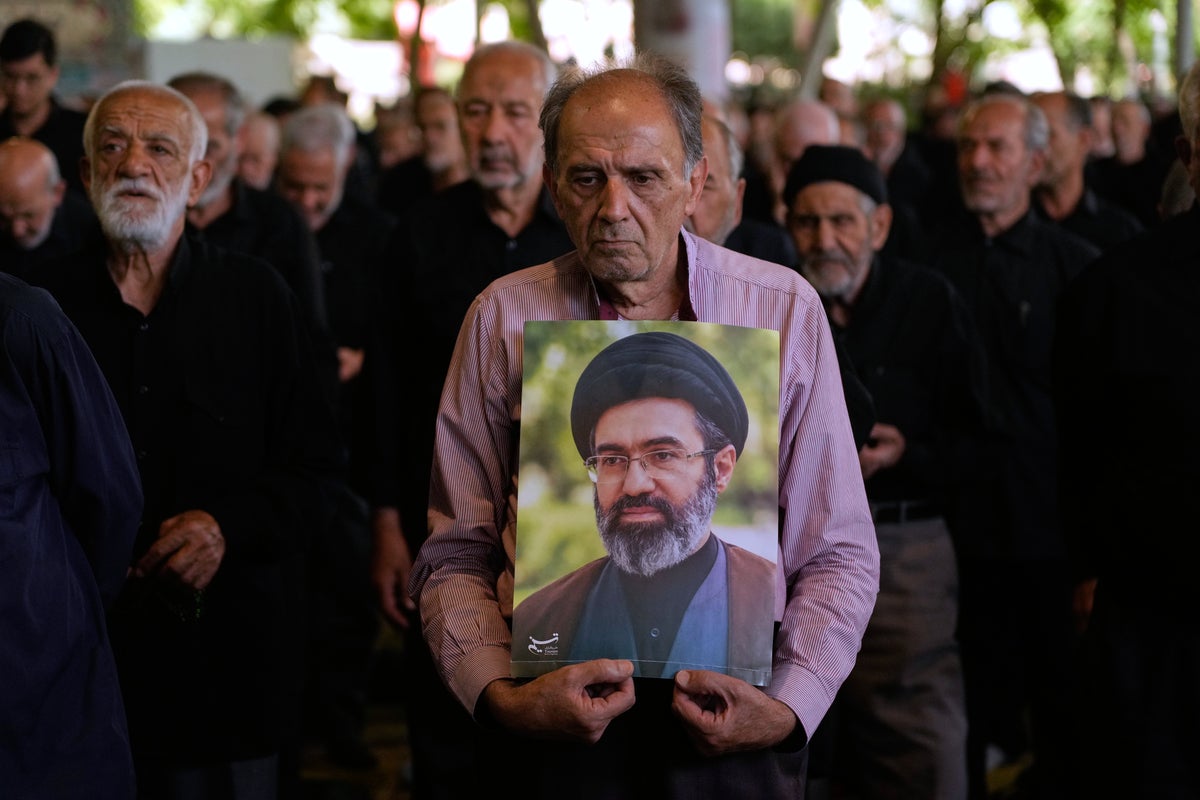
Tehran's leadership structure is facing its most vulnerable moment in decades. The opening Israeli salvos of the war on February 28 wiped out the previous Supreme Leader Ayatollah Ali Khamenei alongside the core of the state's old guard. As official state funeral ceremonies loom for early July, the regime is sponsoring non-stop public rallies to fake a sense of stability.
The reality is far more chaotic. The new Supreme Leader, Ayatollah Mojtaba Khamenei, took over a country shattered by a bloody domestic crackdown that killed thousands of its own citizens. Mojtaba Khamenei gave a cautious public nod to the interim deal, stating that negotiations don't mean "accepting the enemy's opinion," but he also dropped ominous hints about holding a "different viewpoint."
He is walking a tightrope. If he leans too far into the negotiations to secure the promised economic relief, he risks a massive mutiny from domestic hard-liners who view any compromise with Washington as treason. If he walks away, the economy completely collapses, and the streets will explode into revolution again.
The Neighborhood Has Changed
Tehran is trying to use its momentum to stop ongoing Israeli military operations in Lebanon, but its regional leverage is slipping. The Gulf states aren't the same vulnerable targets they used to be.
During the conflict, the United Arab Emirates took the brunt of the violence, weathering over 3,000 missile and drone strikes. That sheer devastation forced a permanent shift in how Washington's regional partners think. Wealthy Gulf nations realized they can't rely on an unpredictable United States to shield them, nor can they let their economies hang on whether Iran decides to block the Strait of Hormuz.
Instead of falling back under Tehran's shadow, countries like the UAE and Saudi Arabia are aggressively rewriting their commercial playbooks. They are diversifying their international partnerships and investing heavily in land-based trade routes that bypass Iranian maritime chokepoints entirely. They will talk to Tehran to lower immediate tensions, but they aren't going to build an alliance with a regime that just rained missiles on their cities.
What Happens Next
If you want to understand where this crisis goes next, stop watching the diplomatic photo-ops in Geneva and watch these three specific pivot points instead.
- Watch the global oil price floor: The flood of Iranian crude pushed benchmark Brent crude from over $110 a barrel down to the $80 range, dragging U.S. gas prices under $4. If prices drop too low, it limits the total cash Tehran can extract to stabilize its economy.
- Watch the July funeral window: The July 4-9 ceremonies marking the six-month anniversary of the regime's bloody protest crackdown will be a tinderbox for renewed civil unrest.
- Watch the troop lines in southern Lebanon: While Iranian negotiators claim the deal guarantees an Israeli military withdrawal, Israeli Defense Minister Israel Katz has been blunt that his forces are staying put. If fighting flares up again on the border, the entire interim deal will disintegrate.
Tehran got its cash injection and its moment of swagger. But a worthless currency, a furious population, a newly independent block of Gulf neighbors, and an unproven leader mean this "victory" is likely the prelude to a much deeper domestic reckoning.