Three days before Thanksgiving, families living beside a closed California landfill were told their hotel stays were running out. One minute they were unpacking suitcases in a room paid for by the operator; the next they were staring down a checkout deadline while ash, odors, and unanswered health questions lingered back home.
That collision between short-term hotel vouchers and multi-week environmental cleanups sits right at the center of the uproar following the November 16, 2026 eruption at Chiquita Canyon Landfill near Castaic and Val Verde in Los Angeles County. When crews drilling a new gas well hit a pressurized pocket roughly 150 feet underground, they sent a dark geyser of gas, leachate, and decomposing debris shooting skyward. Temporary housing got families out of immediate harm's way, yet hotel extensions only buy time—they don't fix broken trust or settle what happens when the checkout clock ticks down.
What Happened When the Landfill Erupted
Most people picture a landfill explosion like a movie fireball. In reality, deep subsurface reactions inside decomposing waste build heat and trapped gases over time, turning a routine well-drilling job into a sudden blowup.
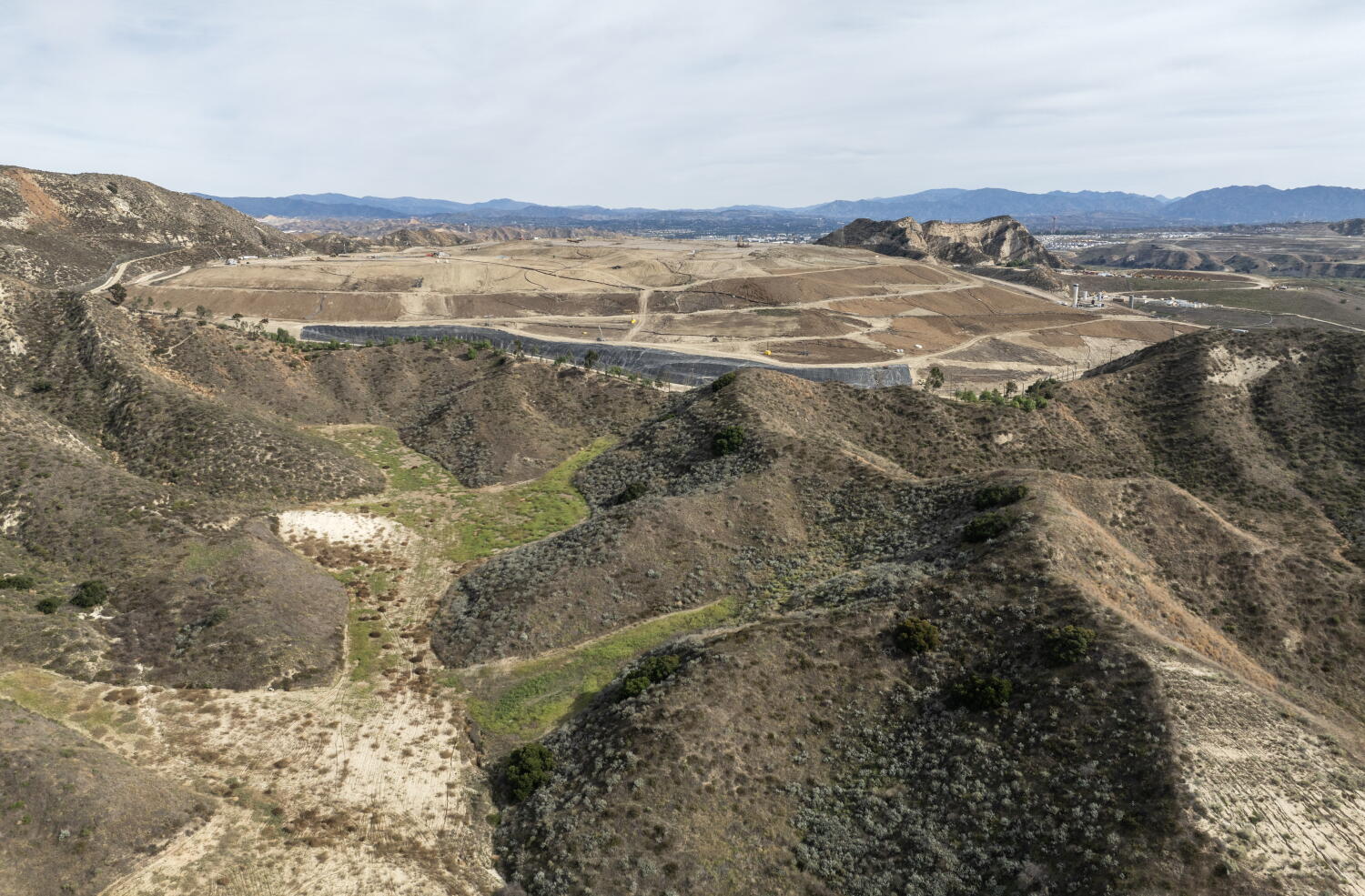
According to reports from local outlets including The Signal and MyNewsLA, the November 16 blowout happened during drilling aimed at managing a long-running elevated temperature event at the 639-acre facility, which stopped accepting new waste on January 1, 2025. Hazardous materials crews capped the leak late that night, and workers were evaluated or hospitalized for decontamination and precaution. For neighbors in Val Verde, Castaic, and Hasley Hills, the scariest part wasn't just the plume—it was the layer of soot and debris left behind and the familiar, stomach-turning stench returning.
If you've never lived next to an active thermal reaction inside a dump, it's hard to grasp how exhausting the whiplash is. Officials tell you to stay indoors and keep air conditioning on recirculate when odors spike. You watch your kids cough or wake up with headaches. Then you get a hotel voucher for a few nights, only to face eviction from that hotel before soot testing on properties is even wrapped up.
Why Temporary Housing Extensions Keep Becoming a Tug-of-War
Short-term hotel stays are built for emergencies lasting a couple of days, not for chronic chemical odors or multi-property debris sampling. That mismatch explains why temporary housing extensions after the landfill blast turned into a public standoff.
As reported by Hometown Station and The Signal, residents gathered outside a local Best Western on Monday, November 23, after initial hotel accommodations reached their checkout window ahead of the holiday. Elected officials—including Los Angeles County 5th District Supervisor Kathryn Barger and Assemblymember Pilar Schiavo—pushed for continued support, and the Los Angeles County Department of Public Health issued directives covering relocation assistance. By Monday afternoon, Barger's office and county health officials announced that Chiquita Canyon had agreed to extend hotel stays for affected residents of Val Verde and Hasley Hills through at least December 3, 2026, or until properties reporting debris from the geyser are assessed and remediated.
Here's the catch nobody likes to say out loud: a December 3 extension sounds reassuring on a press release, yet December 3 is barely a week and a half away. Lab testing for soot, ash, and volatile compounds takes time. Cleaning yards, roofs, and exterior surfaces takes longer still. When hotel extensions are dolled out a few nights at a time, families live in constant limbo—packing bags, worrying about pets, missing work, and wondering whether the next extension will require another protest.
The Gap Between Emergency Relief and Real Recovery
In theory, ordering an operator to pay for hotels solves the immediate crisis cleanly. In practice, three snags trip families up every single time:
- Moving goalposts on eligibility: Residents often aren't sure whether relief covers everyone downwind or only specific zones and households that meet narrow criteria.
- Holiday timing and local availability: Pushing people out of hotels right before Thanksgiving—or shifting rooms mid-crisis—adds massive stress when kids are out of school and schedules are already stretched thin.
- Unfinished environmental answers: You can't reasonably ask a family to walk back into a house when soot samples haven't come back clear or when strong landfill gas odors are still rolling through the canyon.
The Bigger Picture Behind Chiquita Canyon's Troubles
This isn't a one-off freak accident happening in a vacuum. The U.S. Environmental Protection Agency has documented a subsurface elevated temperature event at Chiquita Canyon that has driven increases in leachate, air emissions, and odors, prompting regulatory work letters and enforcement actions over time, alongside state legal action over the facility's handling of the crisis.
Honestly, closing the gates to new trash doesn't flip a switch and turn off chemistry underground. Once waste heats up beneath hundreds of feet of cover, managing liquid leachate, gas pressure, and temperature pockets becomes a grinding multi-year engineering headache. Operators like Waste Connections—which manages the site through Chiquita Canyon, LLC—argue that drilling wells and running mitigation systems are necessary steps to bring conditions under control. Neighbors and lawmakers counter that years of odors, health complaints, and now a geyser eruption show reactive crisis management isn't cutting it.
Both sides have points worth examining with clear eyes. Regulators and operators have to follow technical safety protocols when working around high-temperature zones, and rushing remediation without proper testing can create new hazards. At the same time, when residents have endured years of foul air and health worries, asking them to trust short-term promises on faith alone is a tough sell.
Practical Next Steps If You're Affected by a Landfill Incident
Whether you're dealing with the fallout around Castaic and Val Verde or facing a similar environmental disruption elsewhere, waiting passively for updates rarely protects your household. Take these concrete steps right away:
- Confirm your exact extension terms in writing: Check the current Los Angeles County Department of Public Health guidance and operator notices for the December 3, 2026 hotel extension window, and save every confirmation number, checkout date, and eligibility rule.
- Document odors, symptoms, and debris daily: Keep a simple log of dates, times, wind or odor conditions, any physical symptoms like headaches or throat irritation, and clear photos of any ash or soot on cars, patios, or window sills before cleanup begins.
- Follow health agency exposure guidance: Stay indoors with windows and doors closed when odors or plumes are active, set HVAC systems to recirculate rather than pull outside air, and seek medical care promptly if you experience breathing trouble or persistent symptoms.
- Track official assessments before re-entering or cleaning: Wait for verified guidance from public health or environmental officials on debris sampling and safe cleanup methods so you don't accidentally kick hazardous dust or residue back into the air.
- Show up or submit comments to decision-makers: Attend county board hearings or public updates—such as Board of Supervisors briefings on the landfill—and put your family's housing and health concerns on the official record.
Hotels keep a roof over your head for a few more days, and a December 3 deadline is better than being pushed out before Thanksgiving. Real relief, though, only starts when testing is transparent, cleanup is thorough, and families aren't left begging for another week of shelter every time something goes wrong.