Two decades. Thousands of lives. Billions in security spending. Yet, as we move through the second half of 2026, Thailand’s southern border provinces remain a bleeding wound that refuses to clot. If you’ve been paying attention to the headlines out of Pattani, Yala, and Narathiwat, you know the script: a fresh round of peace talks is announced, violence spikes, and then everything stalls again.
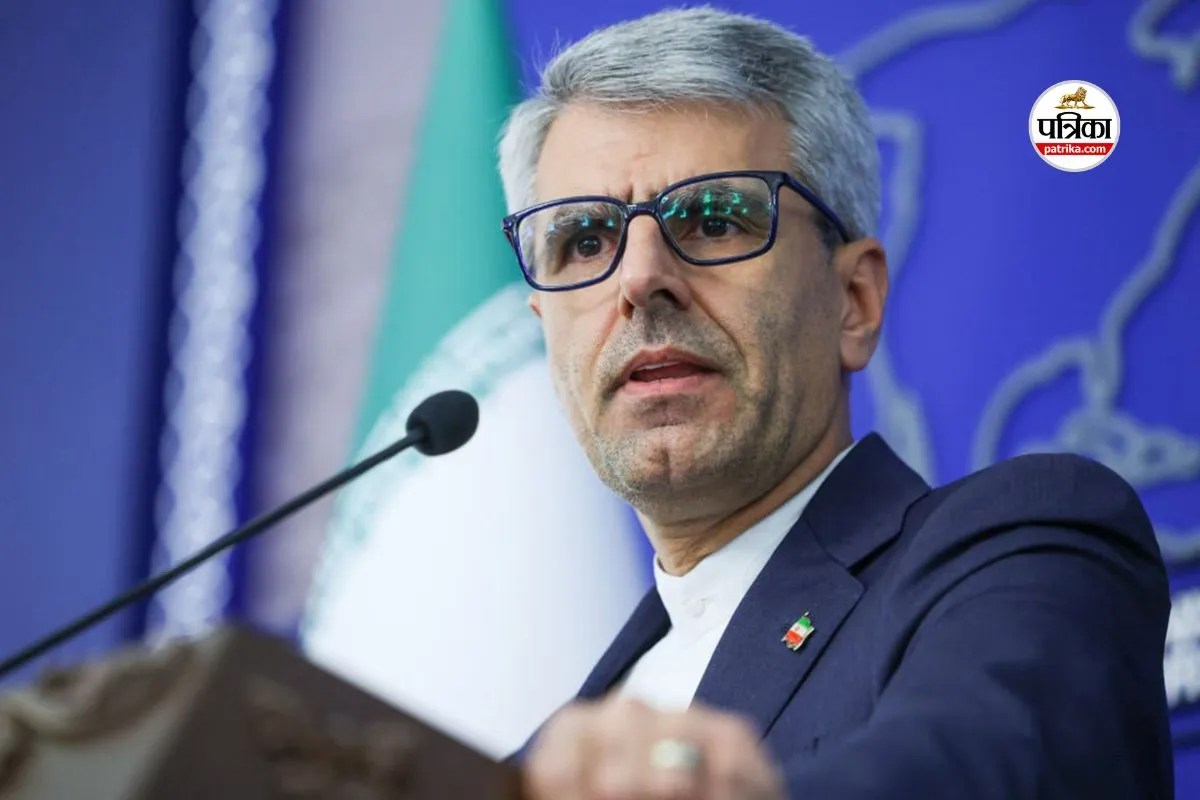
The latest attempt to break this cycle rests on the shoulders of Thanut Suvarnananda, the director of the National Intelligence Agency who took the lead on peace dialogue earlier this year. But let’s be honest—changing the lead negotiator is like putting a new coat of paint on a crumbling house. It doesn't fix the structural rot.
The Illusion Of Progress
Since the early 2000s, the Thai government and the Barisan Revolusi Nasional (BRN) have been stuck in a dance that never leads to a ballroom. Every time a new administration takes power in Bangkok, there’s a flurry of activity. They promise a new path. They talk about "decentralization" and "public consultation."
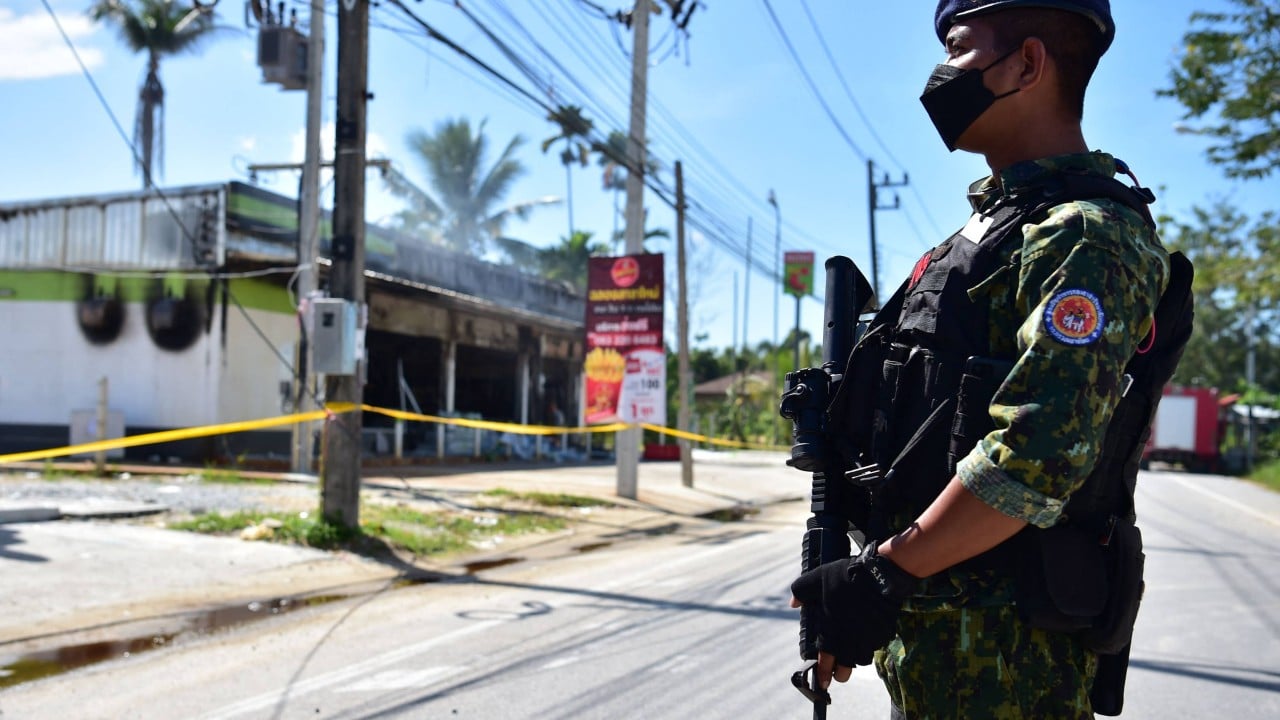
But look at the reality on the ground. In July 2026, five paramilitary soldiers were killed in a brutal checkpoint attack in Narathiwat. This wasn't some random skirmish. It was a calculated, lethal reminder that the insurgents aren't just sitting around waiting for Bangkok to decide their fate.
The statistics are often used to sell a narrative of success. Officials love to point out that the number of total incidents has dropped since 2007. That’s technically true. But it’s a misleading metric. The decline doesn't mean the movement is dying; it means the insurgency has matured. They’ve swapped high-frequency, low-impact roadside bombings for high-visibility operations that maximize political shock. They don't need to attack every day to remind the state they're still there.
Why The Same Old Methods Keep Failing
I’ve watched these negotiations unfold for years, and the fundamental problem hasn't changed: the Thai government approaches this like a transaction, while the BRN approaches it as an existential struggle.
Bangkok’s strategy is essentially containment. They want to suppress violence to a "tolerable" level so they can focus on the capital’s political circus. They’ve offered minor concessions, like token roles in administrative committees, which the BRN correctly views as insulting. You can't end a twenty-year war with a seat on a local development board.
Then there’s the issue of the "right people." The Thai government insists they are talking to the legitimate leadership of the BRN. Meanwhile, on the ground, the reality is far messier. The BRN is not a monolith. There’s a disconnect between the political wing sitting in meetings in Malaysia and the village-based cells carrying out attacks. Even if Thanut Suvarnananda manages to shake hands and sign a framework agreement, that doesn't mean the shooting stops at the border.
The Missing Pieces
If you want to understand why this conflict persists, you have to look past the official press releases.
- The Trust Deficit: For the people in the Deep South, the Thai state is often seen as a foreign occupying force. Decades of heavy-handed security measures, checkpoints, and military cordons have created a deep well of resentment. Every time a new, restrictive policy is rolled out, it acts as a recruiting tool for the insurgency.
- The Lack of Political Will: Peace requires painful compromises. It requires giving up control. So far, no administration in Bangkok has been willing to offer anything that actually threatens the status quo of the centralized state.
- The Role of Malaysia: Malaysia acts as the facilitator, but they have their own interests to balance. They aren't going to strong-arm the BRN into a deal that the insurgents don't want. They provide the space for the talks, but they can't provide the substance.
Is There A Way Out
Thanut has been meeting with civil society groups, which is a departure from the purely military-led approach of the past. He talks about being "open-minded." He mentions exploring decentralization. That sounds good in a Reuters interview, but the proof is in the implementation.
Unless the government is prepared to address the root causes—the loss of identity, the fear of the security state, and the lack of genuine local autonomy—we’re just waiting for the next "new path" to lead to the same dead end.
The next round of talks is tentatively planned, but don't hold your breath for a breakthrough. The insurgents have already made it clear they won't be bullied by the threat of legal action, and the government has already signaled they won't let violence go unanswered.
If you're looking for signs of progress, ignore the press conferences. Watch the behavior of the security forces on the ground. Watch the reaction of the local community leaders. When the state stops treating the region like a combat zone and starts treating it like a community that needs to be convinced—not conquered—that’s when you’ll know things are actually changing. Until then, it’s just another year in a very long, very sad story.