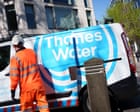
Wall Street hedge funds and British pension funds are playing a high-stakes game of chicken with the UK government over the country's largest water utility. Thames Water is drowning in an £17.6 billion debt pile. It is rapidly running out of money, with the coffers expected to run dry by October or November 2026. While the political class talks up temporary nationalisation, the company's senior creditors have sent a blunt message. They will bid for the company anyway.
The London & Valley Water consortium represents over 100 institutional lenders holding roughly £14 billion of Thames Water's senior debt. This group includes heavyweights like Elliott Investment Management, Apollo Global Management, Silver Point Capital, BlackRock, and M&G. They aren't walking away. Even if the incoming administration triggers a Special Administration Regime (SAR) to take state control, these lenders plan to buy the utility back out of public hands. For an alternative perspective, check out: this related article.
This isn't just about corporate pride. It's about protecting billions of pounds in existing investments. For the public, it means the dream of a clean, simple state-run water system is a fantasy. Private finance is locked into the infrastructure, and any state takeover will only be a temporary pit stop before a massive restructuring auction.
The Billion Pound Game of Chicken
The fight for control has reached a critical bottleneck. Environment Secretary Emma Reynolds threw a wrench into the works by objecting to the creditors' proposed £10 billion rescue package. Her argument was simple. The deal places an undue burden on 16 million customers who are already facing rising bills. The proposal also demanded that the regulator, Ofwat, waive environmental pollution fines for four years. Reynolds called the deal weak and refused to shield corporate directors from their environmental failures. Related insight on the subject has been shared by Reuters Business.
By blocking the market-led rescue, the government pushed Thames Water directly toward temporary nationalisation. But the lenders have a plan for that scenario too. They view a Special Administration Regime not as a final destination, but as a messy bureaucratic process that they can ultimately outlast.
Under an SAR, an independent insolvency expert runs the business to keep the taps flowing. Debt payments and interest can be frozen. The company gets breathing room to invest in leaky pipes and sewage infrastructure. But the administrator has a legal duty to maximize value for the creditors. The state cannot just keep the assets forever without paying market value or triggering endless litigation. The creditors know this. They are prepared to use the administration process to renegotiate the terms of their ownership on a clean slate.
Inside the London and Valley Water Proposal
The private rescue plan currently on Ofwat's desk is a complicated piece of financial engineering. The London & Valley Water consortium wants to inject £3.35 billion of new equity and provide £3.25 billion of fresh debt, with the potential to top that up to £6.55 billion.
On paper, this injects needed capital without taxpayer funding. Look closer at the fine print, though, and you see why the government balked.
- The Fee Burden: Thames Water would have to pay nearly £750 million directly to its creditors, lawyers, and financial advisers just to execute the restructuring.
- Lingering Obligations: The utility would remain on the hook for £160 million in advisory fees and £285 million in accrued interest owed to the hedge funds.
- The Fine Holiday: Creditors want a complete waiver on regulatory fines for sewage dumping until the turn of the decade.
Ofwat officials have expressed serious doubts about the math. Regulators don't believe the current proposal writes down enough debt to restore Thames Water to an investment-grade credit rating. Senior sources indicate that creditors need to slash 30% to 40% of their debt value. The current offer only cuts about 20%. This reality gap between what Wall Street wants to salvage and what the regulator demands to protect consumers is what makes nationalisation highly probable.
Why Special Administration is Not an End Game
Many critics of privatisation view nationalisation as a magic wand. They think it will instantly solve the sewage crisis and lower water bills. That is an absolute misconception.
Special administration is just a structured bankruptcy process funded by the taxpayer. The state takes the operational reins, but the underlying infrastructure deficit doesn't disappear. It actually gets more expensive. The consortium argues that triggering an SAR will stall the turnaround of the business by at least two years. It introduces immense uncertainty for the 8,000 workers and destabilises the local engineering supply chain.
We have seen this play out before with the energy provider Bulb. The government stepped in to save the failing energy supplier and eventually sold it to Octopus Energy for £3 billion, recovering most of the taxpayer cash. But water infrastructure is vastly more complex than a retail energy book. You can't transfer 16 million water customers to a rival with a few clicks of a mouse.
If Thames Water enters an SAR, the government must find a long-term buyer. The current creditors will be waiting at the auction table, but they won't be alone. Other vulture funds and infrastructure operators are circling the carcass.
Hong Kong-based CK Infrastructure Holdings, which already owns a majority stake in Northumbrian Water, has called for the company to be put into administration so it can launch a clean bid. Castle Water, a firm managing billing services for Thames Water's business clients, has also raised its hand. An SAR simply resets the clock and opens a bidding war, potentially leaving taxpayers holding the bag for interim operational losses.
What This Means for Bill Payers and the Next Prime Minister
The looming collapse of Thames Water will land squarely on the desk of the presumptive next prime minister, Andy Burnham, within weeks. Burnham has consistently advocated for greater public control over utilities. He has stated on record that public ownership is what should be done.
Executing that vision is a fiscal nightmare. The UK face a brutal economic environment with minimal fiscal headroom. Buying out the debt holders entirely would cost billions that the Treasury does not have. If the government nationalises the asset permanently, it absorbs nearly £20 billion of toxic debt onto the state's balance sheet. That ruins any hopes of meeting strict fiscal rules.
For the 16 million customers in London and the Thames Valley, the political posturing changes very little. Bills are going to rise regardless of who owns the pipes. The capital investment required to fix the Victorian sewage system and stop the routine pollution of the River Thames is immense. If private equity provides the cash, they will demand high returns funded by higher water bills. If the state takes over, those costs migrate from water bills to general taxation. You pay either way.
The real danger of an SAR is the domino effect. The government is quietly terrified that pushing Thames Water into administration will panic international investors who fund the rest of the UK water sector. If lenders realize the government will let water utilities fail without protecting senior debt, the cost of borrowing for every other water company in England and Wales will skyrocket. That means Southern Water, Yorkshire Water, and United Utilities will all face higher financing costs. Guess who pays for that? The consumer.
Strategic Steps Forward for the Water Sector
Resolving the crisis requires looking beyond the immediate political talking points. The current system is broken, but standard nationalisation is an empty promise.
- Enforce Hard Debt Haircuts: Regulators must hold their ground against the London & Valley Water consortium. Lenders chose to buy high-yield debt in a deeply leveraged utility. They must take a 40% haircut on their bond values to make the company financially viable.
- Ring-Fence Capital Investment: Any rescue deal, whether inside or outside an SAR, must legally mandate that new equity goes directly into engineering and infrastructure, completely separate from corporate bonus pools or past debt servicing.
- Establish a Sovereign Utility Fund: If the state uses an SAR, it should negotiate a joint-venture model where the public retains a permanent blocking minority stake, ensuring that future private buyers can never again load the company with unsustainable debt.
Stop expecting a clean resolution before the autumn deadline. The creditors are wealthy, patient, and legally protected. They will let the company slip into temporary state control because they know the government cannot afford to keep it. The battle for Thames Water is just getting started, and the private sector holds the ultimate leverage.