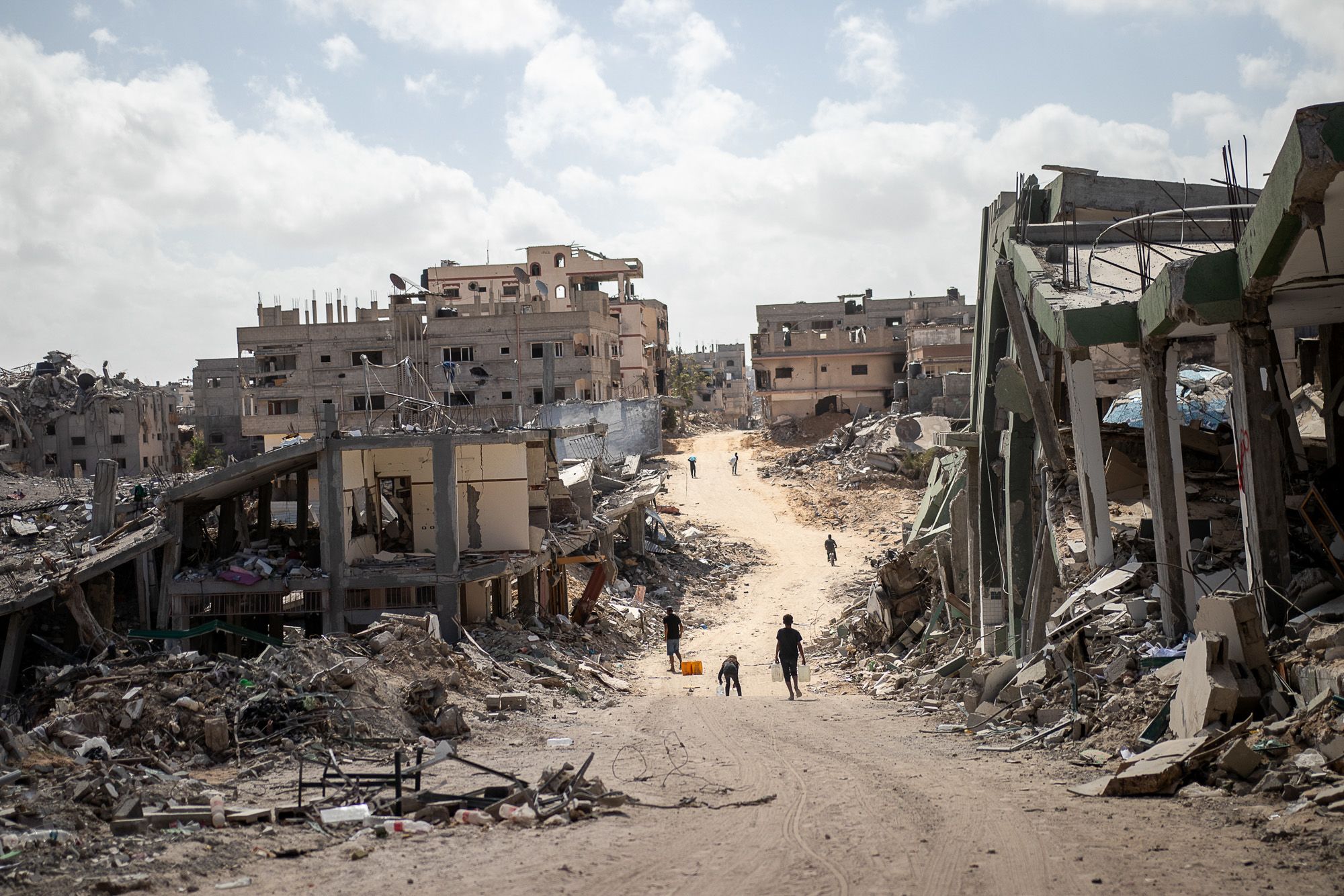
When the stage is made of salvaged tent canvas and the actors arrive with gunpowder dust still clinging to their clothes, art stops being entertainment. It becomes an act of defiance. In Gaza, a group of performers is staging a play called 50 Minutes in Gaza, turning the very siege, loss, and trauma they are living through into a visceral theatrical experience.
Most people consume war through flat screen pixels and distant headlines. They watch briefings or scroll past updates on their phones. But what happens when the people telling the story are simultaneously dodging food trucks, rationing water, and listening to the persistent buzz of overhead reconnaissance drones?
Director Ali Abu Yasin didn't start this project to win awards or secure a comfortable residency. He started it because creation is the opposite of erasure. Underwritten in part by the Rosa Luxemburg Foundation as a writing workshop that initially drew fourteen participants, the project faced immediate, grinding hurdles. Performers were wounded, displaced, or cut off by sudden flare-ups of violence. Those who remained walked hours through devastated streets, carrying the physical weight of a ruined infrastructure straight into a makeshift rehearsal space.
The conditions of their rehearsals sound impossible. First huddled in fabric tents pitched on the hot asphalt of a car park near the Rashad al-Shawa Cultural Centre, the troupe later moved to a cramped, unventilated room inside a damaged cafe. With timber heavily prized and burned as firewood to cook meager meals, building a set required scavenged scraps of wood and tattered canvas. They built the set themselves with the help of a displaced craftsman.
The line separating performance from reality doesn't just blur in 50 Minutes in Gaza; it shatters completely. Actor Tamer Najm plays Khaled, a man trapped in a hospital during a desperate attempt to have a child. Before the war, Najm saved for years to buy an apartment in Gaza City, only to watch it turn to rubble. When he steps onto the stage to reenact the anguish of a father under siege, he isn't pulling from imagination. He is pulling from the exact sequence of losses that forced him and his pregnant wife to sleep on sidewalks and in tents.
Another performer, Abu Qasai Qaddoura, takes on the role of a doctor inside a besieged medical facility. During one scene where a fictional baby dies, Qaddoura found himself staring at the faces of his own children. The terror wasn't an artistic choice. It was an unfiltered panic that tomorrow his own family might face the exact same fate. The tears on stage were real because the threat outside the canvas walls was real.
You might wonder why anyone under relentless bombardment would spend precious energy memorizing lines. The answer reveals something fundamental about human resilience. Physical survival requires clean water, flour, and shelter—things that remain agonizingly scarce and expensive. But emotional survival requires a voice.
During a May rehearsal, actress Iman Ouda was deep into a scene portraying a woman giving birth under siege when a nearby explosion shook the building. Dust billowed into the room. The actors did what everyone in Gaza does: they covered their faces, rushed outside, and immediately checked their phones for news of loved ones. Minutes later, they walked back inside and resumed the scene.
This is what creators miss when they analyze conflict through policy reports and casualty statistics. They miss the mundane tenacity of ordinary humans who refuse to let their humanity be reduced to a number. Abu Yasin puts it bluntly: outside the venue, they chase food trucks and worry about skyrocketing prices, but on stage, they feel alive.
If you want to understand the true impact of prolonged conflict, look past the breaking news alerts. Look at the people who are building stages out of ash. They aren't just performing a war they are still living; they are documenting their own survival so the world cannot pretend they were ever invisible.