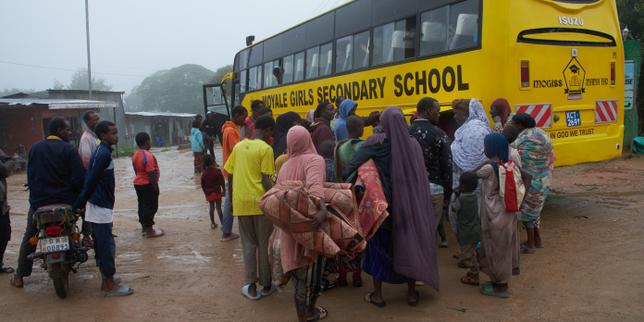
Borders on maps look clean and permanent. On the ground in the Horn of Africa, they are anything but. Over thirty-six thousand people have just crossed from southern Ethiopia into northern Kenya, fleeing a violent eruption of regional conflict around the border town of Moyale.
If you're wondering how a regional dispute turned into a massive cross-border humanitarian emergency overnight, you have to look at the fragile fault lines of Ethiopia's administrative zones.
The Powder Keg at Moyale
The crisis centers squarely on Moyale, a bustling cross-border trading hub split right down the middle by the international boundary. But the real friction lies just behind it. Armed forces from Ethiopia's Somali and Oromia regions have been clashing fiercely over territorial boundaries and local resource control.
This isn't a brand-new flashpoint. Tensions between the Somali and Oromia regional forces have simmered for years over administrative demarcations in southern Ethiopia. But recent weeks saw a sharp, brutal escalation. According to reports from the Armed Conflict Location & Event Data Project (ACLED), the violence claimed multiple lives almost immediately, disrupting local transport and sending terrified residents running for the international frontier.
When fighting breaks out in border zones, civilians don't wait for diplomatic interventions. They pack whatever they can carry and head for safety. That safety right now is Kenya's Marsabit County.
The Strain on Northern Kenya
An influx of thirty-six thousand refugees doesn't just happen quietly. It strains local resources to a breaking point. The UN Refugee Agency (UNHCR), along with the International Organization for Migration (IOM) and the Kenya Red Cross Society, rushed to the area to verify identities and coordinate emergency relief.
Many of those who made the journey are women and children. Local infrastructure in Marsabit County simply isn't built to absorb tens of thousands of displaced people in a matter of days. Reports indicate that thousands have sought temporary shelter in compounds like the Oriental Mission Church in Moyale, Kenya, while humanitarian groups scramble to provide clean water, food, tents, and medical care.
The Kenya National Human Rights Commission (KNCHR) has issued urgent appeals for international support, warning that host communities are facing immense pressure. While authorities reported a tentative calm along the border recently, the underlying conditions remain precarious.
Ethiopia's Wider Regional Instability
You can't look at the Moyale crisis in a vacuum. Ethiopia is navigating a web of overlapping security challenges across multiple fronts. While southern regions battle over boundary lines, northern Ethiopia continues to grapple with the aftermath and resurgence of conflicts in areas like Tigray, alongside separate bouts of ethnic violence in parts of Oromia.
Regional federalism in Ethiopia was designed to give distinct ethnic groups autonomy over their traditional homelands. Yet, overlapping claims on towns like Moyale—where administration is jointly shared but bitterly contested—turn administrative lines into battlegrounds.
The immediate priority on the ground is keeping people alive, fed, and sheltered. Until the underlying governance and territorial disputes between regional states are genuinely addressed, border towns like Moyale will remain vulnerable to sudden, violent explosions of displacement.