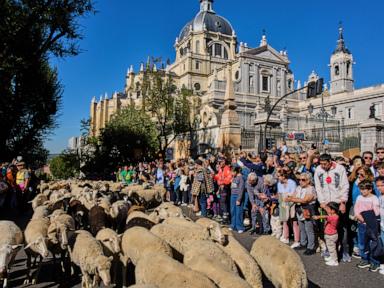
When thousands of sheep take over a modern European metropolis, traffic usually stops. But this year, the animals had to dodge something much bigger than cars.
Madrid’s annual transhumance festival hit a major roadblock. Organizers had to completely reroute herds of sheep and goats away from the Puerta del Sol. A sprawling housing protest camp blocked the traditional route. It’s a striking collision between ancient pastoral traditions and modern urban anger.
If you thought heritage festivals existed in a quiet historical bubble, think again. Real-world economics and social fury just crashed the party. Let's look at what's actually happening in Spain right now.
The Clash Between Ancient Drovers and Modern Housing Anger
Madrid wasn't always a concrete jungle. Centuries ago, the capital sat squarely on an ancient migration route. Shepherds used these paths—known as canyadas—to move livestock across the Iberian Peninsula between seasonal pastures.
The annual festival, running since 1994, celebrates this exact heritage. Hundreds of bells echo off concrete facades. Hooves click against asphalt. It’s a surreal sight for tourists eating morning pastries at outdoor cafes.
This time, however, the traditional route through the Puerta del Sol was off-limits. Housing activists built a permanent protest camp right in the heart of the square.
The tents and banners didn't appear overnight. Public rage boiled over after the tragic eviction of an 87-year-old woman named María del Carmen Abascal. She lost the home she lived in for seven decades. She passed away in the hospital shortly after. That single event sparked an ongoing wave of protests against soaring housing costs and predatory real estate practices across downtown Madrid.
City officials weren't going to let a massive livestock parade march right through an intense political flashpoint. So, the shepherds pivoted. They led their flocks down alternative asphalt corridors instead.
Why Transhumance Still Matters Today
It's easy to write off the Madrid sheep parade as a quirky tourist photo-op. That’s a mistake. Transhumance is a serious ecological tool disguised as folklore.
Modern intensive farming took over Spain decades ago. Young people fled rural towns en masse starting around 1950, seeking factory and service jobs in big cities like Madrid and Barcelona. That rural depopulation left vast swaths of interior land unattended.
When grazing stops, wildfire fuel builds up. Unmanaged brush and undergrowth turn dry Spanish summers into a tinderbox. Traditional herding acts as natural land management. The animals eat flammable brush, clear firebreaks, and naturally fertilize the soil.
Countries like Italy, France, and parts of California deal with similar agricultural shifts. Spain's remaining transhumance shepherds keep the practice alive against steep economic odds. They aren't just walking sheep for fun. They're keeping an ancient, sustainable wildfire prevention method on life support.
The Real Crisis Hiding Behind the Headlines
The juxtaposition of livestock and housing tents tells you everything about modern Spain. On one hand, you have a centuries-old rural tradition fighting extinction. On the other hand, urban residents are sleeping in public squares because they can no longer afford rent in their own city.
Both crises stem from the same root issue. Economic pressure is squeezing traditional ways of life out of existence. Rural depopulation empties the countryside. Urban gentrification and skyrocketing rents push working-class citizens out of city centers.
When you watch a herd of Merino sheep navigate a detour around protest banners in downtown Madrid, you aren't just watching a quirky news item. You’re watching the physical intersection of Spain's rural exodus and its urban housing emergency.
Next time you hear about a quaint cultural festival getting disrupted, look closer. History doesn't happen in a vacuum. It collides head-on with the messy realities of the present day. Take a moment to examine how your own local traditions interact with the economic pressures shaping your city.