Most yard sales are graveyard shifts for chipped ceramic mugs, warped plastic storage containers, and books nobody wanted a decade ago. You skim the folding tables, spot nothing of value, and keep walking. Yet, every once in a while, a piece of genuine history slips past casual observers and lands in someone's living room for pocket change.
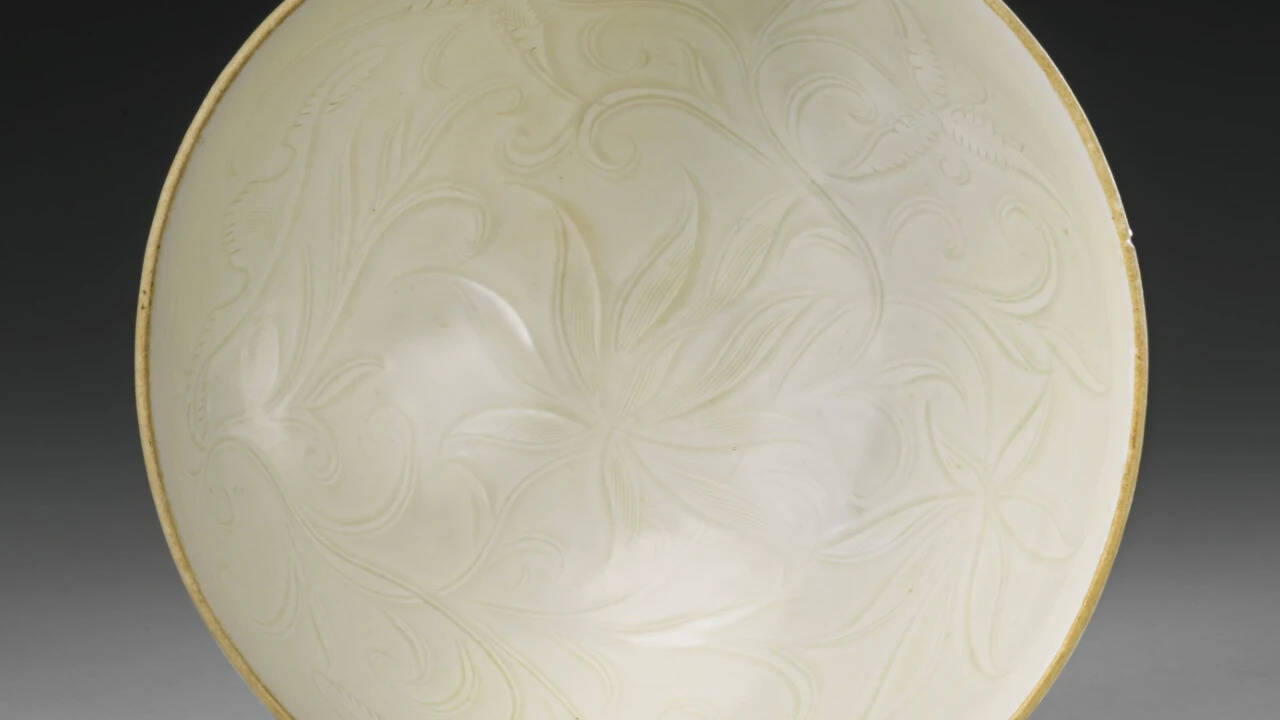
In 2007, a resident in New York state handed over three measly dollars for a simple white bowl sitting on a lawn sale table. It looked plain, unpretentious, and completely unremarkable. For years, the bowl sat quietly in the house, holding odds and ends or just gathering dust as mundane home decor. Nobody suspected it was a museum-grade treasure. When experts finally laid eyes on it years later, they identified it as a thousand-year-old Chinese artifact from the Northern Song dynasty. By March 2013, that exact $3 purchase commanded an astonishing $2,225,000 at a Sotheby's auction in New York. For a different perspective, check out: this related article.
How does a seven-figure piece of antique porcelain hide in plain sight at a suburban driveway sale? The answer lies in the subtle mastery of ancient craftsmanship and the fascinating world of lost antiquities.
Recognizing True Ding Ware Excellence
To understand why this specific white bowl triggered a multi-million-dollar bidding war, you have to look closely at what collectors call Ding ware. Produced during the Song period between 960 and 1127, these ceramics originated in the Quyang kiln region of Hebei province. Early examples were straightforward and unadorned, but master potters eventually evolved their techniques, carving and moulding intricate motifs into the clay. Related reporting on the subject has been provided by Apartment Therapy.
The piece that found its way to a New York lawn featured precise carved lotus patterns on the inside, while rows of moulded upright leaves wrapped around the exterior. Its ivory glaze pooled into distinct, darker tear-like streaks near the base, echoing the aesthetic grace of silver vessels crafted during the same era.
Auction specialists noted that the potting was exceptionally high-quality. The walls were extraordinarily thin and feather-light, allowing light to pass right through the ceramic body. If you don't know what to look for, thinness just looks fragile or cheap. To an experienced eye, however, pulling off such paper-thin walls a millennium ago required elite kiln control and technical mastery that few modern artists can replicate.
The Reality of Accidental Discoveries
Stories about multi-million-dollar thrift store finds and garage sale steals capture our collective imagination because they offer a seductive promise. We all want to believe that ordinary life hides extraordinary windfalls just waiting to be uncovered.
However, finding a piece of authentic Ding ware in a pile of junk is extraordinarily rare. Most yard sales are exactly what they look like: ordinary discarded goods. The New Yorker who bought the bowl didn't study ancient Chinese ceramics on weekends or hunt for hidden masterworks with a magnifying glass. They simply liked the shape, paid three dollars, and took it home. Pure luck played the starring role.
That luck, combined with the owner's eventual decision to seek a professional appraisal, transformed a casual weekend purchase into a financial windfall. When Sotheby's examined the artifact, they confirmed it was in remarkably good condition despite a tiny firing tear under the rim and a slightly warped foot rim.
Inside the Historic Sotheby's Auction
When the bowl hit the auction block in Manhattan, the market responded fiercely. Four different collectors fought for ownership, pushing the final sale price far past its initial pre-sale estimate of $200,000 to $300,000.
The winning bidder was Giuseppe Eskenazi, a prominent London-based dealer specializing in Chinese art. Paying over two million dollars for a piece picked up for spare change sounds absurd on the surface, but the rarity of the five great wares of the Song period drives intense competition among elite global collectors. Pieces of this caliber rarely enter public circulation. When they do, museums and private funds are willing to spend massive fortunes to secure them.
You probably won't find a thousand-year-old imperial ceramic at your local weekend market. But this story proves that attention to detail, appreciation for unique craftsmanship, and curiosity about everyday objects can occasionally change your life.
Take a closer look at the old items sitting in your attic or thrift store shelves. You might just own something remarkable without knowing it.