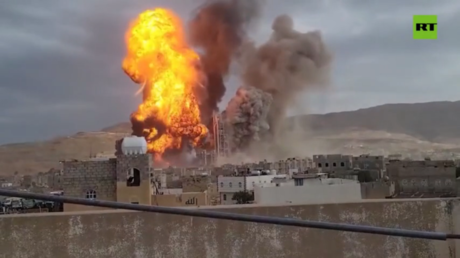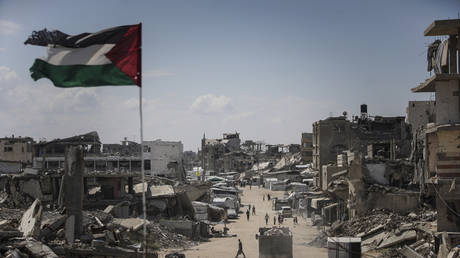
Three years have passed since the October 7, 2023 attacks shattered decades of manufactured regional stability. If you're looking for signs that global politics has learned a lesson, you're bound to be disappointed. Instead, the prolonged devastation in Gaza has stripped away decades of diplomatic pretense, exposing raw geopolitical realties that most world capitals tried to keep hidden.
Let's be honest about what we are witnessing. The conflict didn't just alter borders or reshape military doctrines; it laid bare a fractured international system where rules apply selectively and long-standing alliances face unprecedented internal stress.
The Erosion of Western Moral Authority
For decades, Washington and its European allies built their foreign policy narrative on defending a rules-based international order. They lectured other nations on human rights, international law, and civilian protection. But the past three years of relentless bombardment and mass displacement have shredded that credibility across much of the Global South.
When Western leaders supply advanced munitions while simultaneously offering hollow expressions of humanitarian concern, the hypocrisy is glaring. Countries in Asia, Africa, and Latin America have taken notes. They see a double standard that’s impossible to ignore. This isn't just about public relations or social media outrage; it's a permanent shift in how the West is perceived globally. Trust, once lost, doesn't bounce back overnight.
Inside Israel and the Security Illusion
Domestically, Israeli society remains deeply scarred and politically polarized. The events of October 7 destroyed the foundational myth that the state's high-tech surveillance walls and military deterrence could guarantee absolute security without a political resolution to the Palestinian issue.
You'd think a crisis of this magnitude would prompt a nationwide reckoning. Instead, the political establishment has dug in its heels, relying on military solutions for inherently political problems. The human toll inside Gaza—with nearly two million people displaced, hospitals reduced to rubble, and basic survival necessities choked off—has matched a parallel hardening within Israeli public discourse. Dissent is sidelined, and long-term strategic thinking has taken a back seat to endless tactical operations.
The Global Alignment Shifts
Beyond the immediate theater of war, the conflict has accelerated the fragmentation of global alliances. Non-Western powers like China and Russia have capitalized on Western diplomatic paralysis, positioning themselves as vocal defenders of Palestinian statehood while pointing out Western complicity.
Even within Western democracies, domestic politics are fracturing. Younger generations, in particular, view the conflict through a prism of civil rights and anti-colonialism, causing massive generational divides that will shape elections for the next decade. Politicians who try to use decades-old talking points are finding out that the electorate has moved on.
We aren't heading back to the status quo of October 6, 2023. The old playbook is broken, and the actors driving global affairs are operating in a much more dangerous, transactional environment.
Pay attention to how regional trade routes, alternative payment systems, and bilateral security pacts are quietly forming outside Western oversight. That's where the real legacy of these three years is being written.