Scroll through your feed for five minutes and you'll find a new diagnostic aesthetic. Right now, creators are swearing by the concept of "ferritin face." They point to dark under-eye circles, dry lips, thinning hair, and washed-out complexions as definitive proof of low iron stores. It sounds neat, punchy, and instantly shareable. It's also dangerously misleading if you take it at face value.
Iron is the invisible engine powering your cells, but treating your mirror as a medical lab misses the entire point of how deficiency works. Let's look past the viral skincare panic and see what low ferritin actually does to your body, who is at genuine risk, and how to fix it without guessing.
The Science Behind Your Iron Stores
Iron doesn't just float freely through your veins. Your body stores it carefully using a protein called ferritin, mostly tucked away in your liver. When doctors check your blood, ferritin acts as a direct snapshot of those reserves.
Official guidelines from organizations like the National Institute for Health and Care Excellence (NICE) mark anything under 30 micrograms per liter as iron deficiency. Yet medical specialists point out that numbers lingering below 50 often trigger early warning signs too.
When those reserves run dry, every single cell starves for oxygen. That is why exhaustion sets in deep, brain fog clouds your thinking, and your physical endurance tanks.
Can Low Iron Really Change Your Face?
Yes, but not in the neat, isolated way TikTok claims.
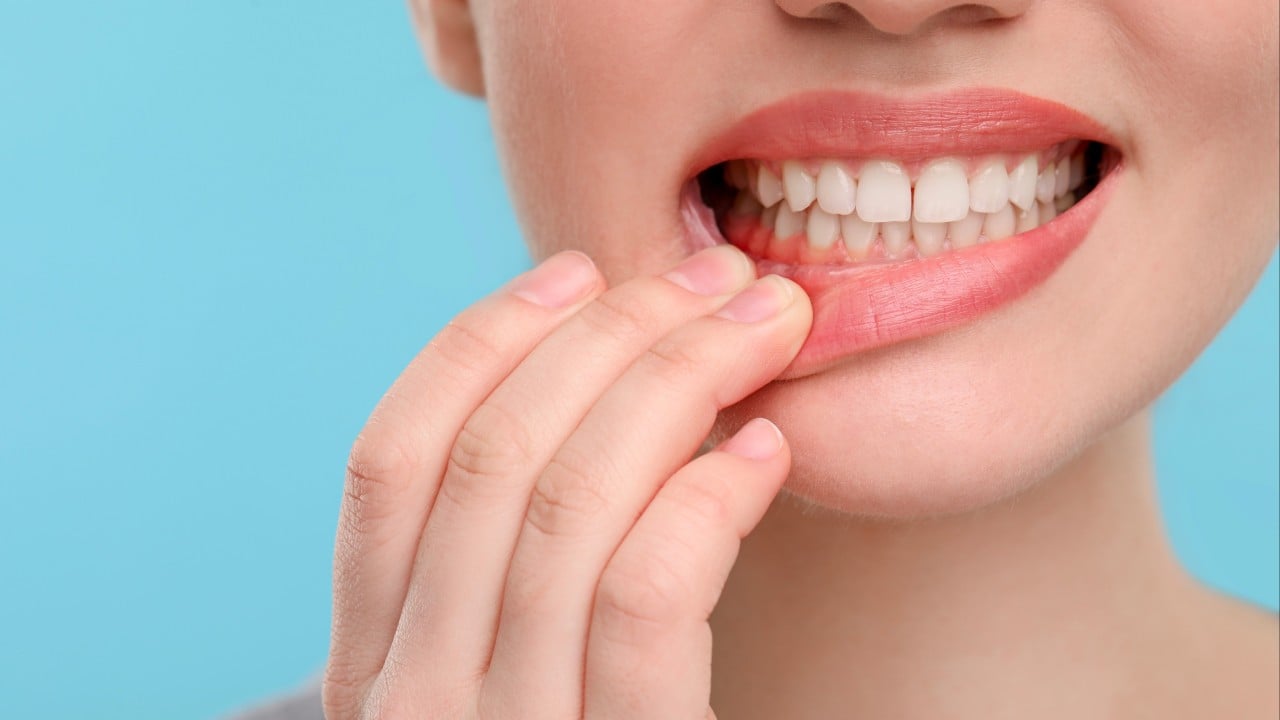
Doctors confirm that severe iron depletion alters your appearance. You look pale because hemoglobin drops, causing your skin's natural flush to fade. Chronic fatigue etches deep circles under your eyes. Hair strands weaken, leading to diffuse shedding.
The catch? These exact symptoms overlap with dozens of other issues. Genetics give people dark under-eye circles regardless of bloodwork. Stress triggers hair loss. Dehydration creates dry skin and cracked lips.
You cannot diagnose an iron deficiency by looking in the mirror. Pinpointing it requires actual data, not an aesthetic checklist.
Who Is Actually at Risk?
Iron deficiency isn't just a random skincare quirk; it's a massive public health issue. It stands as a leading cause of disability among women of reproductive age.
Periods drain iron month after month. Pregnancy places monumental demands on blood volume and mineral reserves. If you follow a strict plant-based diet, you face a higher hurdle because non-heme iron from plants absorbs far less efficiently than heme iron from animal sources.
Gastrointestinal issues also play a massive role. Conditions like coeliac disease, chronic gastritis, or slow bleeding from the bowel quietly deplete iron stores before outward symptoms ever flare up. Athletes face similar risks due to high physical turnover and the mechanical stress placed on red blood cells during intense training.
Why Self-Diagnosing With Supplements Backfires
It is tempting to swing by a pharmacy, grab an over-the-counter iron bottle, and hope for the best. After all, if you're a young woman experiencing heavy periods, mild supplementation rarely hurts.
However, taking random low-dose supplements rarely solves a true clinical deficit. If your body is actively depleted, you need a targeted treatment dose prescribed by a professional, followed up with a repeat blood panel in three months to ensure your numbers actually rebounded.
Popping random pills without confirming the root cause can also mask bigger problems. If an older adult experiences dropping iron levels, it might signal internal bleeding that requires immediate medical investigation rather than a quick vitamin run.
What You Should Do Instead
Stop relying on viral skincare trends for medical advice. If you suspect your iron is low because you're dragging through every afternoon or noticing persistent hair thinning, take concrete action.
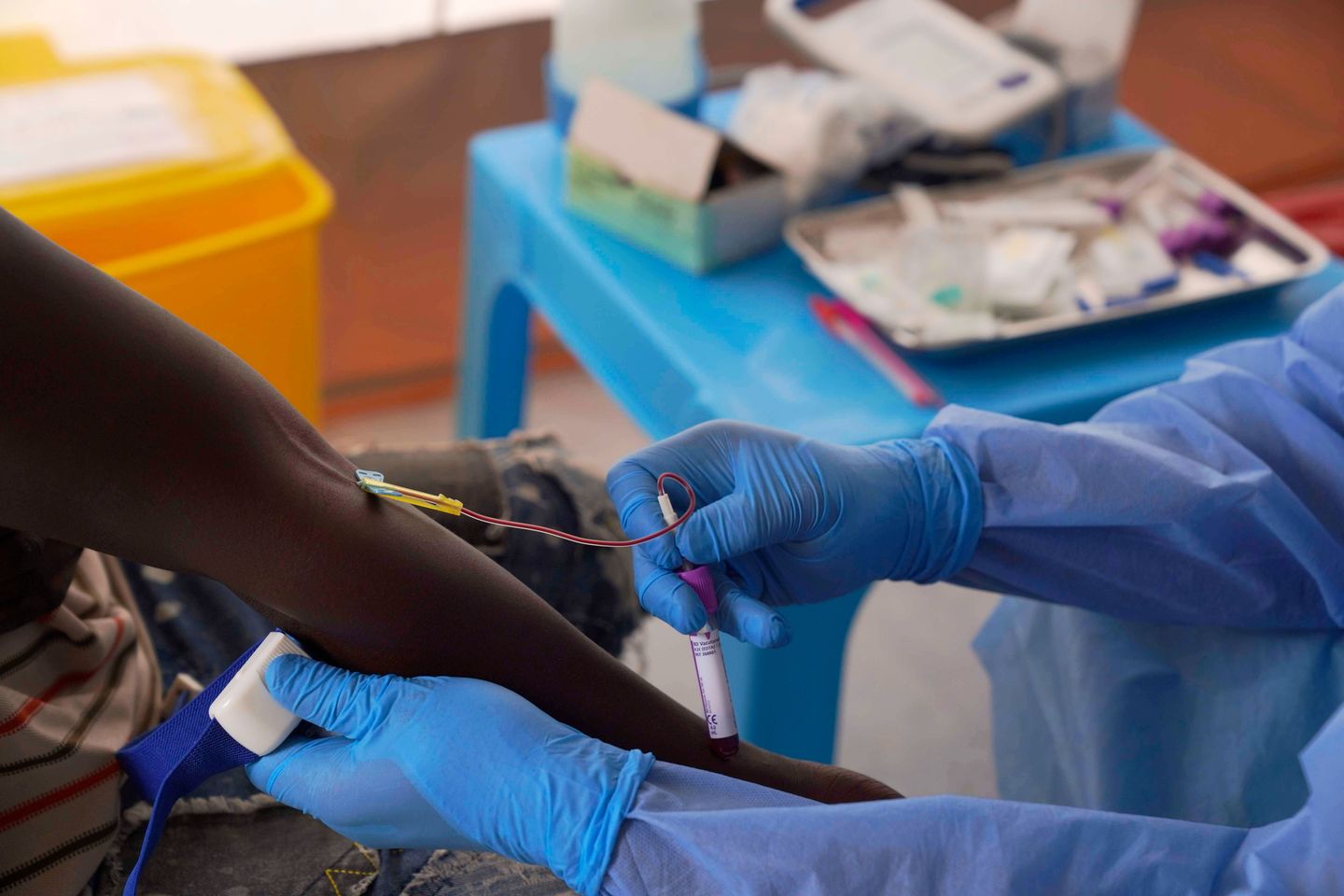
- Request a proper panel: Ask your doctor for a full blood count, a ferritin check, and tests for B12 and folate levels.
- Look for the root cause: Don't just treat the numbers. Find out why your iron dropped, whether it's heavy menstrual bleeding, dietary gaps, or malabsorption.
- Commit to the timeline: If you start a treatment protocol, stick with it for months and re-test. Real physiological recovery takes time.
Awareness matters. Normalizing exhaustion is a trap, and bringing iron deficiency into the public conversation helps millions of people seek help. Just make sure you verify the facts with a blood test before you change your routine.