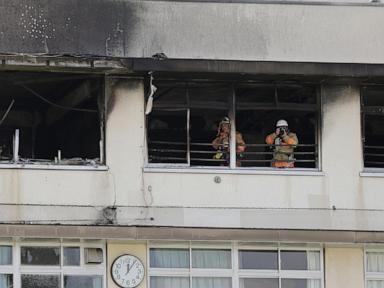
A fire broke out at a school in Tokyo. Smoke started filling the hallways. Inside the building, roughly 300 children and teachers faced an immediate, life-threatening crisis. In many parts of the world, a sudden emergency like this triggers sheer chaos. People scream. Crowd crushes happen at narrow exits. Panic becomes deadlier than the actual fire.
But that is not what happened here.
Every single child and teacher got out safely. Emergency responders arrived quickly, pulled off the rescue, and minimized injuries. While headlines focus on the drama of the flames, the real story lies in the quiet, methodical preparation that happened years before the first spark. Japan has built the most successful disaster response system on earth. It is not luck. It is a cultural obsession with readiness.
If you think your local school is safe just because it passes an annual fire inspection, you are mistaken. True safety requires an entirely different mindset.
The Anatomy of a Flawless School Evacuation
When an alarm rings in a Japanese school, the response is automatic. This recent Tokyo school fire showed the world exactly what happens when systematic training takes over.
Children do not run. They do not yell. They follow a specific four-word rule drilled into them from kindergarten. It is called Ohasishi. Each letter stands for a critical action. Do not push. Do not run. Do not speak. Do not go back.
This sounds simple. You might think any child can follow four basic rules. But under pressure, human psychology breaks down. Fear makes people selfish. The brilliance of the Tokyo system is that these rules are turned into muscle memory.
During the evacuation, teachers immediately took charge of their designated zones. They used megaphone systems and manual headcounts to track every student. Because students remained completely silent, clear instructions cut through the noise of the alarms. Nobody had to guess where to go.
Emergency crews arrived to find an organized crowd already clear of the danger zone. This allowed firefighters to focus entirely on suppressing the blaze rather than hunting through smoky classrooms for missing kids.
Why Japanese Building Codes Change Everything
You cannot separate the human response from the physical environment. Tokyo has some of the strictest building regulations in existence. The laws undergo constant updates based on real-world data from past disasters.
Schools are built like fortresses. They use advanced fire-resistant materials in the walls and ceilings to slow down the spread of toxic smoke. Fire doors close automatically when sensors detect heat or smoke, compartmentalizing the danger.
This architectural design buys precious minutes. In the Tokyo incident, those minutes mattered. The containment features kept the escape routes clear long enough for hundreds of people to walk out orderly.
Many schools globally rely on outdated infrastructure. Older buildings feature wooden frameworks, exposed wiring, and blocked fire exits. When a fire hits those structures, the timeline shrinks drastically. Tokyo proves that investing heavily in resilient architecture saves lives when human error or equipment failure causes a fire.
The Cultural Phenomenon of Bousai
In Japan, disaster preparedness has a name. It is called Bousai. This concept is woven tightly into daily life. It is not a special class you take once a year. It is a continuous community effort.
Schools conduct disaster drills every single month. One month it is an earthquake drill. The next month it is a fire drill. Sometimes they simulate a dual disaster, like a fire breaking out immediately after a major tremor.
Students learn exactly how to use fire extinguishers. They practice navigating through dark, smoke-filled tents to experience the disorientation of a real fire. They know how to cover their mouths with wet cloths to avoid inhaling deadly gases.
This level of immersion removes the novelty of an emergency. When the real fire happened at the Tokyo school, the students treated it like just another drill. They did not freeze because they had already rehearsed the scenario a dozen times.
What Other School Systems Get Completely Wrong
Most Western schools handle fire safety with a degree of complacency. You probably remember fire drills from your own school days. They were usually viewed as a welcome break from math class. Students laughed in line, checked their phones, and ambled slowly toward the football field.
That casual attitude is dangerous. It breeds a false sense of security.
Another massive failure point in standard school safety plans is the reliance on a single authority figure. If a teacher gets incapacitated, the students often do not know what to do next. Japanese drills teach peer accountability. Older students learn to assist younger ones. Everyone understands the layout of the entire facility, not just their own classroom exit.
We also see an over-reliance on technology. Smart alarms and automated sprinkler systems are excellent, but they fail. Power grids go down. Pipes freeze or lose pressure. When the tech fails, human training is your only backup plan. The Tokyo rescue succeeded because the human element worked perfectly alongside the mechanical safety systems.
Immediate Steps to Improve School Safety Today
We cannot instantly rebuild every school with Tokyo-grade fireproofing. That takes billions of dollars and decades of construction. But you can change the operational protocol immediately without spending a dime.
First, stop announcing fire drills in advance. Surprising the staff and students is the only way to identify real weak points in your evacuation plan. If everyone knows the alarm will ring at two o'clock on Tuesday, they prepare for it mentally. That ruins the test.
Second, integrate realistic elements into training. Do not just walk down the main staircase. Block an exit with a sign that says "Smoke" and force the students to find an alternative route on the fly. Teach them to think critically during a crisis.
Finally, hold parents and local communities accountable. Parents need to know exactly where the evacuation staging areas are located. They must understand that rushing to the school in their cars during an emergency blocks fire engines and creates gridlock.
The safe rescue of 300 people in Tokyo provides a masterclass in crisis management. It shows that tragedy is preventable when a society values preparation over reaction. It is time for the rest of the world to stop relying on luck and start copying the blueprint.

:max_bytes(150000):strip_icc()/opera-garnier--paris--france--europe-173294974-5a2d8e5b4e4f7d0037eef37d.jpg)