High school graduation ceremonies usually follow a predictable script. You sit through long speeches about the future, watch hundreds of teenagers walk across a stage, and listen to families cheer from the bleachers. It is a rite of passage, sure, but it often feels like a routine.
That was not the case at Clarkstown South High School this year. When eighteen-year-old Tommy Ryan walked up to receive his high school diploma, the applause meant something entirely different. It was the sound of survival.
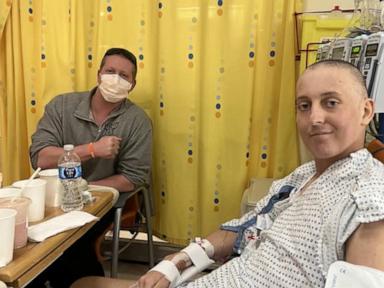
Most people know Tommy as the varsity football quarterback at the West Nyack, New York school. He was an athlete accustomed to leading his team through tough quarters on the gridiron. But over the last year, his battlefield changed completely. Diagnosed with leukemia in April 2025, Tommy swapped his football pads for a hospital gown and spent more than 130 days confined to a hospital bed.
If you are looking for a story about absolute resilience that strips away all the usual cheesy cliches, this is it. It is about a teenager who faced an existential crisis when his adult life was barely starting, and a community that refused to let him fight alone.
The Reality of Facing a Sudden Crisis at Eighteen
When you are eighteen, you think you are invincible. Your biggest worries are supposed to be upcoming exams, college applications, and whether you will win Friday nights game. Tommy was living that exact reality as the signal-caller for the Clarkstown South Rams. Then, everything stopped.
A leukemia diagnosis changes your world in a matter of hours. There is no time to process the news or ease into the reality of cancer. One day you are throwing touchdown passes, and the next you are listening to oncologists explain white blood cell counts, bone marrow biopsies, and intense chemotherapy regimens.
For an elite athlete, the physical transition is brutal. Your body is your primary tool, built on strength, speed, and endurance. Cancer treatment systematically tears that down. Chemotherapy does not just target the sickness; it ravages your entire system. Tommy went from sprinting across a field to being too weak to step out of bed.
People often look at these stories and think the hardest part is the physical pain. It is not. The mental toll of watching your peers move forward while your own life grinds to a halt is staggering. Your friends are practicing for the playoffs and going to prom while you are staring at iv bags in a sterile room. It requires a specific kind of mental toughness to survive that without losing your mind.
Inside the One Hundred Thirty Day Battle
Spending more than 130 days in a hospital is difficult to comprehend unless you have lived it. It is a grueling cycle of nausea, extreme fatigue, isolation, and constant medical monitoring. Tommy faced the kind of prolonged isolation that breaks most adults.
Leukemia treatments require destroying the faulty immune system to rebuild it. This means patients spend weeks in high-protection environments where a simple common cold could be fatal. Tommy could not just hang out with his teammates or have normal visits. His daily interactions were defined by masked doctors, squeaking nurse carts, and the hum of medical machinery.
His father, Dan Ryan, a dedicated Orangetown Police Detective, and his family had to watch this fight from the sidelines. As a parent, that is a unique form of torture. You are used to protecting your kid, fixing their problems, or cheering them on from the stands. When cancer hits, you can only sit by the bed, hold a plastic basin when they are sick, and hope the medicine works.
Tommy did not just sit there and let the disease dictate his future. Even during the darkest weeks of his treatment, the goal remained clear: get back to his class, finish his work, and walk across that stage with the kids he grew up with. He did online coursework when he had the energy, pushing through chemo brain and profound exhaustion to keep his grades up.
How a High School Community Showed Up
You quickly find out who your real friends are when you get sick. In Tommys case, the entire Rockland County community showed up. They did not just send generic get-well cards; they built an entire movement to keep his spirits up while he was isolated in the hospital.
It started with small gestures that grew exponentially. His classmates organized a massive fundraiser called Buzzes4Bumpy, where dozens of students, athletes, and local residents shaved their heads in solidarity with Tommy as he lost his hair to chemotherapy. The Orangetown Police Department Employee Association jumped in to help organize support, showing the tight-knit bond of local law enforcement families.
During the fall sports season, the rivalry between local schools completely dissolved. At one game, fans from both Clarkstown North and Clarkstown South were asked to wear bright orange—the awareness color for leukemia—to show a united front for Tommy. Later in the year, the hockey teams from North Rockland and Clarkstown united for an Ice Hockey Fights Cancer night, centering the entire evening around Tommys ongoing fight.
Community Support Milestones:
- April 2025: Initial leukemia diagnosis and immediate hospitalization
- April 2025: Buzzes4Bumpy fundraiser draws hundreds for solidarity head shaves
- Fall 2025: Stadiums turn orange as rival high schools unite during football season
- Winter 2026: Ice Hockey Fights Cancer night dedicates proceeds to the Ryan family
- June 2026: Tommy walks across the graduation stage to receive his diploma
Seeing hundreds of people wearing your name and your jersey number while you are stuck in a hospital bed does something powerful. It reminds you that you still have a place in the world outside the hospital walls. It gives you a concrete reason to keep fighting through the worst days of the treatment.
Life After the Hospital and the Next Steps
Walking across the stage to receive a high school diploma is a massive achievement for Tommy, but the battle with a disease like leukemia does not end when the graduation caps are thrown in the air. Remission is a word that brings immense relief, but it also ushers in a complex new phase of recovery.
The post-hospital phase requires rebuilding a life from scratch. Tommy has to regain the physical strength that cancer stole from him. It means long hours of physical therapy, careful monitoring of his blood work, and navigating the emotional aftermath of surviving a life-threatening illness.
If you want to support young cancer survivors or help families going through similar medical crises, do not just offer passive sympathy. Take real action that makes a measurable difference.
First, consider joining the national bone marrow registry through organizations like Be The Match. For many leukemia patients, a matching stem cell or bone marrow donor is the only actual cure. A simple, painless cheek swab can literally save a teenagers life.
Second, donate blood and platelets at your local blood bank. Cancer patients use an unbelievable amount of blood products during chemotherapy because their bodies stop producing them naturally. Your single donation could be the reason a kid has enough energy to complete a school assignment from their hospital bed.
Third, look for local families dealing with sudden medical diagnoses and offer practical, ground-level help. Do not ask them what they need because they are likely too overwhelmed to answer. Drop off a meal, offer to mow their lawn, or take care of their groceries.
Tommy Ryans graduation was not just a celebration of finishing high school. It was a public declaration that cancer did not win. He took the hardest hit life could deliver at eighteen years old, stood his ground with the backing of his community, and walked out a survivor.