The American scientific edge is chipping away, and it isn't happening in secret. For decades, the US was the absolute default destination for the world's brightest minds. If you wanted to solve global crises, you went to an Ivy League institution or a premier American research hub.
Not anymore.
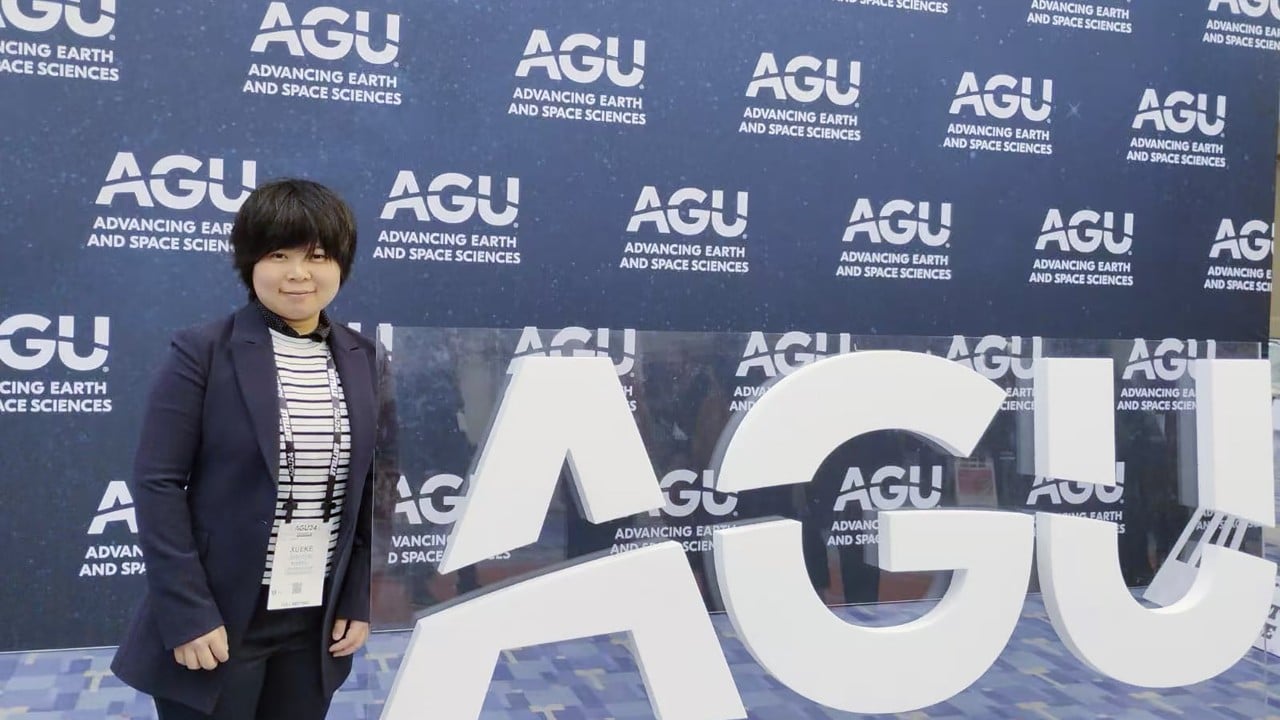
A quiet but steady exodus of high-caliber researchers is underway. Arctic researcher Li Xueke recently packed up her lab at the University of Pennsylvania to join the City University of Hong Kong. Her move isn't an isolated incident. It’s part of a growing trend of climate scientists abandoning American institutions because the funding landscape has turned hostile.
When climate science becomes a political target, the scientists themselves look for the exit doors.
The Toxic Reality of US Climate Funding
For researchers studying our planet's extremes, the environment in the US has become toxic. The policy shifts under Donald Trump have drastically altered what gets funded and who gets scrutinized. When federal agencies systematically terminate or freeze grants for climate-related projects, they aren't just cutting numbers on a spreadsheet. They're telling world-class experts that their life's work isn't welcome.
Li Xueke's research is deeply critical. She maps things like black carbon emissions from Arctic shipping, sea ice dynamics, and the planetary wave resonance events that fuel severe weather extremes. This isn't abstract theory. It’s data that directly impacts how we understand global supply chains and intensifying summer heatwaves. Yet, under the current administration, projects tied to the words "climate change" face massive hurdles.
The pressure isn't just about money. It’s also about the atmosphere of suspicion surrounding scientists of Chinese descent. Between aggressive political crackdowns and erratic shifts in environmental policy, staying in the US has become a professional liability for many.
Why Hong Kong and Singapore Are Winning the Talent War
While American policymakers treat climate science like a partisan debate, Asian academic institutions see a massive strategic opportunity. Universities in Hong Kong, Singapore, and mainland China are throwing capital at global talent. They are building a sanctuary for the exact research the US is defunding.
Take a look at how the tables have turned.
- Funding stability: While a US scientist might spend 60% of their time writing hyper-cautious grant applications hoping they won't get flagged by a conservative committee, institutions like City University of Hong Kong offer guaranteed start-up packages and multi-year security.
- Strategic location: For Arctic and global climate modeling, Asian institutions are investing heavily in supercomputing infrastructure and regional environmental tracking networks.
- Safety from political theater: Scientists just want to do science. They don't want to worry about federal investigators looking at their cultural background or sudden policy reversals every four years.
Hong Kong universities are intentionally capitalizing on this friction. They are rising in global academic rankings precisely because they are snapping up researchers who feel pushed out by Western political shifts.
The Cost of politicizing the Laboratory
Losing scientists like Li isn't just bad PR for American universities. It fundamentally degrades the country's capacity to innovate and protect itself from future crises. Climate modeling is a collaborative, global effort. When you isolate your labs, cut funding, and alienate international talent, your models get worse.
Many observers think this talent drain is just a temporary blip. It’s not. Academic career moves are long-term investments. When a researcher builds a lab, hires doctoral students, and integrates into an ecosystem abroad, they rarely come back.
The US used to understand that attracting foreign brainpower was its ultimate superpower. Today, political short-sightedness is giving that advantage away to regional hubs that are more than happy to fund the future.
What Research Institutions Must Do Next
If American universities want to stop the bleeding, they can't rely on federal stability anymore. They have to change how they protect their faculty and secure their pipelines.
- Diversify funding sources: Deans and university presidents need to actively pivot toward private endowments, international syndicates, and philanthropic foundations that are insulated from federal policy swings.
- Double down on legal and administrative protection: Institutions must offer robust institutional cover for international researchers, shielding them from administrative overreach and political profiling.
- Establish cross-border research sanctuaries: If certain climate modeling projects can't find traction or safety within the US borders, universities should co-fund satellite labs in neutral, well-funded regions to keep their key faculty tied to the institution.