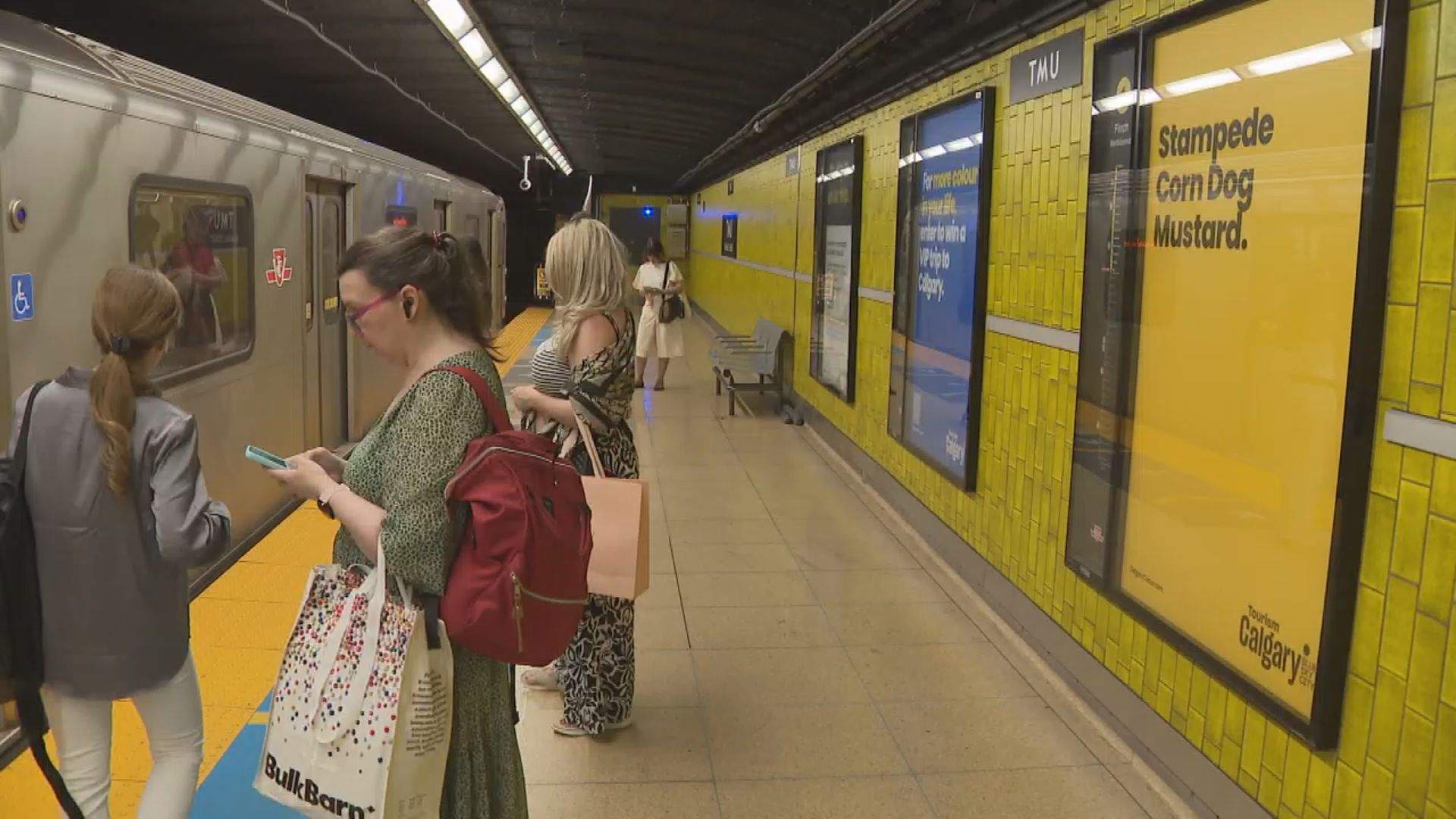
If you recently walked through the Toronto Metropolitan University subway station in downtown Toronto, you probably noticed the sea of bright, solid colors replacing the usual dull underground ads. That massive visual disruption is the Tourism Calgary takeover of a downtown Toronto subway station, a bold and expensive play to steal the attention of Ontario commuters. This wasn't just a handful of posters scattered near the turnstiles. The city completely blanked out every single available advertising slot with a six-week campaign called the Colours of Calgary, spending over $500,000 to transform the daily commute of thousands of Torontonians.
Most people think regional tourism marketing is about running generic social media ads showing mountains or fields. Tourism Calgary did the opposite. They went highly localized, physical, and aggressive. By taking over an entire transit hub in Canada’s largest metropolis, they forced captive commuters to look at phrases like "Friendliest City In the World Yellow," "Mmm, Ginger Beef Red," and "Two-Stepping Denim Blue." It is a calculated gamble to rewrite how people view a city that many Ontarians only associate with the Calgary Stampede or a quick stopover on the way to Banff.
Why the Tourism Calgary takeover of a downtown Toronto subway station makes sense
Tourism boards do not drop half a million dollars on transit ad takeovers just for fun. They do it because grabbing undivided attention in a crowded media market requires massive physical presence. When a commuter stands on a subway platform waiting for a delayed train, their phone is often losing service, and their eyes wander. A complete station takeover captures that exact moment of dead time.
Campaign Scope and Impact
- Total budget: Over $500,000
- Campaign duration: Six weeks
- Traffic increase: 3x growth in Toronto website hits
- Prior year economic baseline: $22 million spending boost from Ontario in 2025
The strategy focuses heavily on high-yield travelers. Tourism data shows that visitors from Ontario stay longer and spend significantly more money per trip compared to regional visitors from neighboring provinces. According to Jeff Hessel, Tourism Calgary’s senior vice-president of marketing and destination development, Torontonians have a growing appetite for western travel but lack a deep understanding of Calgary as an urban hub. They know the Rocky Mountains exist. They know the cowboy hats come out in July. They do not know about the city's expanding culinary scene, its award-winning craft breweries, or its urban park networks.
Breaking down the massive return on municipal ad spending
municipal spending on distant advertising often triggers complaints from local taxpayers who wonder why their money is being spent out of province. The numbers tell a very different story. This half-million-dollar blitz builds directly on top of previous targeted campaigns that yielded an 8.5 percent increase in tourism spending from Ontario visitors in 2025. That growth injected $22 million into the local economy in a single year.
The immediate digital response to the transit takeover proves the strategy works. During the run of the station display, web traffic to Calgary’s tourism portal from Toronto users tripled. A viral video of the station captured by a local designer who grew up in the west racked up nearly 90,000 views on social media, giving the campaign free digital reach far beyond the physical walls of the subway station.
Calgary Mayor Jeromy Farkas publicly backed the aggressive marketing push. He noted that using guerilla-style marketing tactics to highlight year-round events is exactly how a city proves its economic resilience and builds a sustainable, year-round tourism asset. Relying entirely on a ten-day summer rodeo is a risky strategy for a modern city. Spreading that appeal across twelve months is the actual goal.
The psychology of solid colors in transit advertising
Transit environments are chaotic. They are filled with text, warning signs, dirt, and crowds. Most advertisers make the mistake of creating highly complex posters with detailed images and long paragraphs of text. Those ads fail because they blend into the background noise of the station.
The Colours of Calgary campaign succeeded by stripping away all visual noise. They used massive blocks of solid, bright color paired with clean, minimalist typography. When everything else in a concrete tunnel is grey or covered in small print, a wall of pure, vibrant yellow or deep denim blue forces the human eye to track it.
Localized storytelling through creative copywriting
The text on the walls did not just list attractions. It used hyper-local references designed to spark curiosity or nostalgia.
- Ginger Beef Red: A direct nod to the famous dish invented at Calgary's Silver Inn Restaurant in the 1970s.
- Friendliest City Yellow: Leveraging international rankings that consistently place the city at the top of global hospitality lists.
- Two-Stepping Denim Blue: A subtle wink to the nightlife and roots culture without showing a single cliché picture of a cowboy.
This approach respects the intelligence of the audience. It acts like an inside joke or a riddle that prompts a commuter to pull out their phone and search for the context behind the color names.
What other destination marketers can learn from this campaign
If you are managing a brand or a municipal marketing budget, this western push offers a masterclass in regional audience acquisition. Do not try to be everything to everyone everywhere at the same time. Pick a specific, high-value geographical zone and dominate it completely for a short window.
Go all in on physical isolation
A single billboard or a handful of posters gets lost in the ocean of Toronto advertising. By buying every single available ad square in a central station, Tourism Calgary eliminated their competition within that physical space. For the three minutes a passenger waits for a train, they are living entirely inside the brand universe.
Bridge the physical and digital gap
The campaign did not rely solely on passive viewing. It integrated direct consumer incentives, including a grand prize draw for a free trip to the west to remove the financial friction of visiting. The explosive rise in web traffic shows that physical media is still one of the most effective ways to drive high-intent digital actions.
Prepare for seasonal iteration
A single ad push will not permanently alter consumer behavior. Tourism officials have already confirmed they will return to the Toronto market in the fall with a completely new campaign centered around winter events and cold-weather urban experiences. Consistency across changing seasons is what converts initial curiosity into actual plane ticket sales.
How to execute a high impact regional ad takeover
If you want to apply these exact principles to your own regional marketing strategies, you need a clear blueprint. Do not simply throw money at a transit authority without a precise execution plan.
Audit your target demographic spending habits
Before picking a city or a transit hub, analyze your current customer database. Look for geographical pockets where the average transaction value or length of engagement is high. Tourism Calgary picked Toronto because Ontario travelers spend more days on the ground and buy more local services than visitors from any other Canadian market.
Strip your creative down to a single idea
Remove the paragraphs of text. Remove the collage of seven different photos. Pick one strong visual hook—whether it is a bold color palette or a single provocative question—and repeat it across every surface. Repetition creates memory retention in high-stress transit environments.
Measure the immediate digital lift
Set up dedicated landing pages or localized tracking metrics before the physical ads go live. Monitor your regional web traffic spikes daily during the campaign. If you do not see a distinct lift in digital actions from the target postal codes or cities within the first two weeks, your creative messaging is not forcing people to take action on their phones.
The days of passive, polite billboard advertising are gone. To get people to leave their home province and spend money in your city, you have to show up unexpectedly right in the middle of their daily grind.