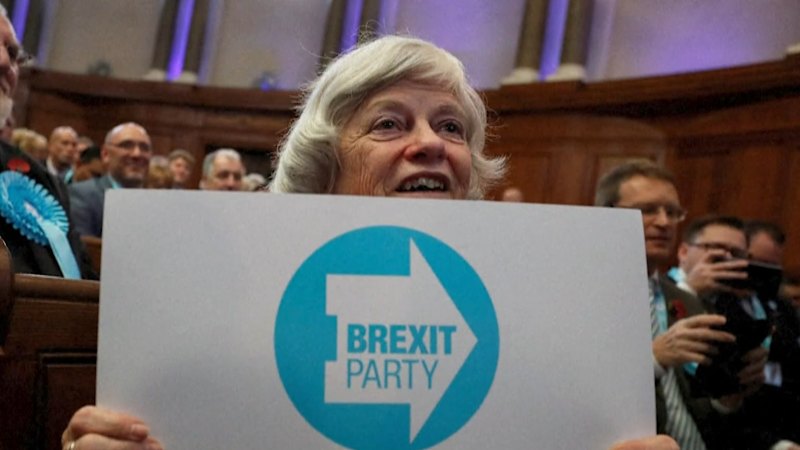
The brutal killing of veteran British politician Ann Widdecombe has sent shockwaves through the UK, turning what initially looked like a local tragedy into a national security crisis. At 78 years old, the former Conservative minister and Reform UK spokesperson was found dead at her home on the edge of Dartmoor National Park.
What started as a standard murder investigation quickly escalated when national counter-terrorism police took charge of the case. It’s a chilling reminder that in today’s highly polarized climate, public figures face unprecedented levels of danger, even long after they leave office.
If you're trying to make sense of what happened, how the investigation shifted so rapidly, and what this means for the safety of public servants, here's the reality of the situation.
The Swift Shift to a Counter-Terror Investigation
On Wednesday, July 8, 2026, Widdecombe failed to show up for a scheduled television interview. Her body was discovered the following day at her isolated home, "Widdecombe’s Rest". Police believe she was attacked roughly 24 hours before she was found.
Initially, local police stated there was nothing to suggest a political or terror-related motive. That assessment didn’t last long. Over the weekend, police arrested a 28-year-old British man in South Yorkshire, nearly 300 miles away from the crime scene.
After searching his home and examining evidence gathered during his initial detention, the investigation took a dramatic turn. The suspect was re-arrested under the Terrorism Act, and the National Counter Terrorism Policing unit officially took the lead.
A Targeted Attack and the Question of Motivation
This wasn't a random break-in gone wrong. Laurence Taylor, the head of UK counter-terrorism policing, confirmed that this was a targeted attack.
Detectives are currently investigating whether the suspect's motivation was linked to a hatred of Widdecombe’s outspoken, socially conservative views. Throughout her career, she was known for her fierce opposition to abortion rights, her traditionalist stances on social issues, and her strong pro-Brexit advocacy.
Security services are specifically looking into whether left-wing, anarchist, or single-issue extremism played a role in the attack. Reports indicate the suspect drove hundreds of miles from his home in Rotherham to southwest England, carrying out a brutal assault before returning north. The level of planning involved suggests a deep-seated obsession rather than a spontaneous act of violence.
What This Means for Public Figures
The tragedy has reignited a fierce debate about the safety of politicians in the UK. For years, the focus has been on securing sitting Members of Parliament, especially after the horrific murders of Jo Cox in 2016 and Sir David Amess in 2021.
But Widdecombe’s death highlights a massive vulnerability: former politicians. Once a representative retires or leaves office, they lose the state-funded security measures afforded to active lawmakers. Yet, their public profile, past voting records, and outspoken media appearances remain immortalized online. They remain targets, but without any of the protection.
Reform UK leader Nigel Farage, who worked closely with Widdecombe, has repeatedly sounded the alarm about his own safety. The government has since offered security briefings to political figures who feel vulnerable, but many argue these measures are too little, too late.
Next Steps in the Legal Process
The suspect remains in custody under an extended warrant, allowing counter-terror officers to question him without immediately bringing charges.
As the legal process unfolds, expect the following developments:
- Forensic Examination of Digital Devices: Investigators are thoroughly analyzing the suspect's online footprint to trace how he became radicalized and whether he acted entirely alone.
- Review of Security Protocols: Parliament and the Home Office are under intense pressure to evaluate how security is managed for retired MPs and high-profile commentators who continue to engage in public debate.
- Formal Charges: Once the extended questioning period concludes, the Crown Prosecution Service will decide on the formal charges, which are highly likely to include both murder and terrorism-related offenses.
The tragic end of a prominent, decades-long political career shows that the dividing line between heated political disagreement and targeted violence has worn dangerously thin. Securing the democratic process means protecting the people who participate in it—even long after they step back from the legislative floor.