When a young life ends abruptly under murky circumstances, the public naturally demands answers. The recent arrest and subsequent bail of two men on suspicion of manslaughter following the death of 22-year-old Coldstream Guards soldier Liam Potts has left many communities asking hard questions.
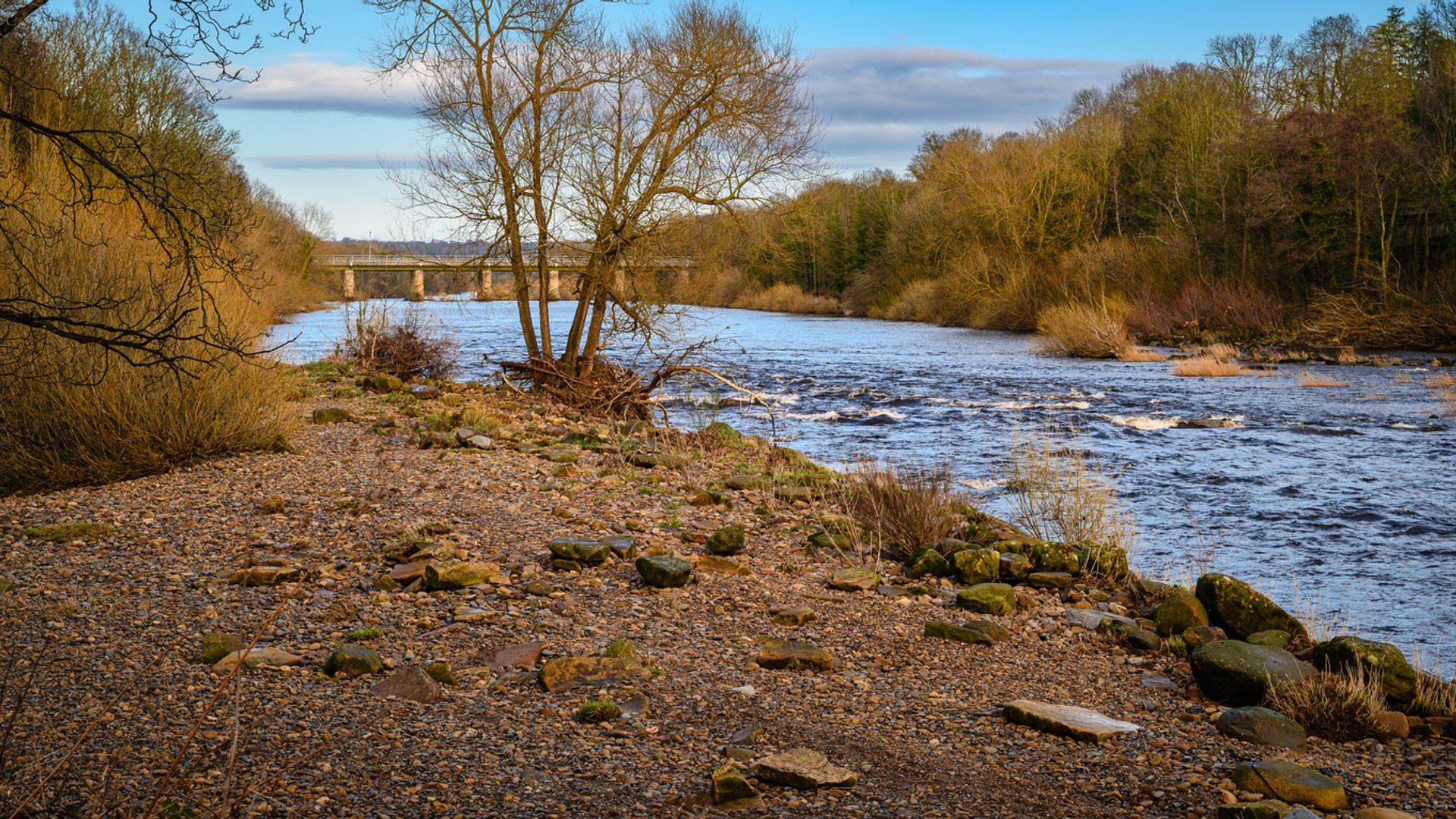
If you've followed local news reports out of Northumberland, the timeline feels dizzying. Liam went missing after a night out, sparking a massive search involving mountain rescue teams and coastguards. Days later, his body was recovered from the River Tyne. Investigators are now working to connect the dots between a chaotic vehicular disturbance on a local bridge and the young soldier entering the water.
Unraveling the Timeline on the Wylam Bridge
To understand why two men aged 22 and 23 are currently walking free on bail while facing potential manslaughter charges, you have to look closely at what happened in the early hours of August 15, 2026.
Northumbria Police received reports of a disturbance and a violent vehicle collision involving pedestrians on a bridge near Wylam. Liam was present on that bridge. Police have been explicit about one crucial detail: Liam was not driving the vehicle, nor was he directly struck by it. Yet, according to Detective Inspector Rachael Rutherford, subsequent inquiries suggest that he entered the water within minutes of the crash.
This creates a complicated legal puzzle. Manslaughter charges don't require intent to kill, but they do require establishing a proximate chain of causation. Did the chaos of the collision directly cause Liam to panic, flee, or fall into the river? Prosecutors have to prove that the actions of the arrested individuals directly contributed to his fatal immersion. Without clear eyewitness video or forensic clarity on those exact few minutes, keeping suspects behind bars indefinitely under UK legal thresholds becomes nearly impossible. That is precisely why bail was granted.
The Reality of Police Bail in Complex Investigations
People often get frustrated when suspects linked to tragic deaths are released on bail. It feels counterintuitive. If someone is suspected of manslaughter, why aren't they locked away?
The legal reality in the United Kingdom operates on strict statutory time limits and evidence thresholds. When police initially detained two men in connection with the bridge disturbance, they didn't immediately have a body or a clear causal link to a drowning. Once Liam's body was discovered in the Tyne on August 18—three days after he vanished—the investigation shifted gears entirely.
The suspects were re-arrested on suspicion of manslaughter. However, police bail is a standard investigative tool, not an acquittal. It allows law enforcement to gather forensic evidence, analyze mobile phone data, and wait for comprehensive toxicology or pathology reports without violating the strict limits of pre-charge detention.
Remembering Liam Potts
Behind the heavy legal jargon and police statements lies a devastating human loss. Family and friends have described Liam as the absolute heart and soul of any room. When someone leaves home for a night out and never returns, the shock ripples far beyond immediate family, deeply hitting army colleagues and the tight-knit Northumberland community.
The investigation continues to rely heavily on CCTV footage, witness testimony, and forensic reconstruction of the bridge incident. If you have information regarding the disturbance on August 15, contacting Northumbria Police directly remains the most effective way to aid an active inquiry. The truth of what happened on that bridge will eventually come to light.