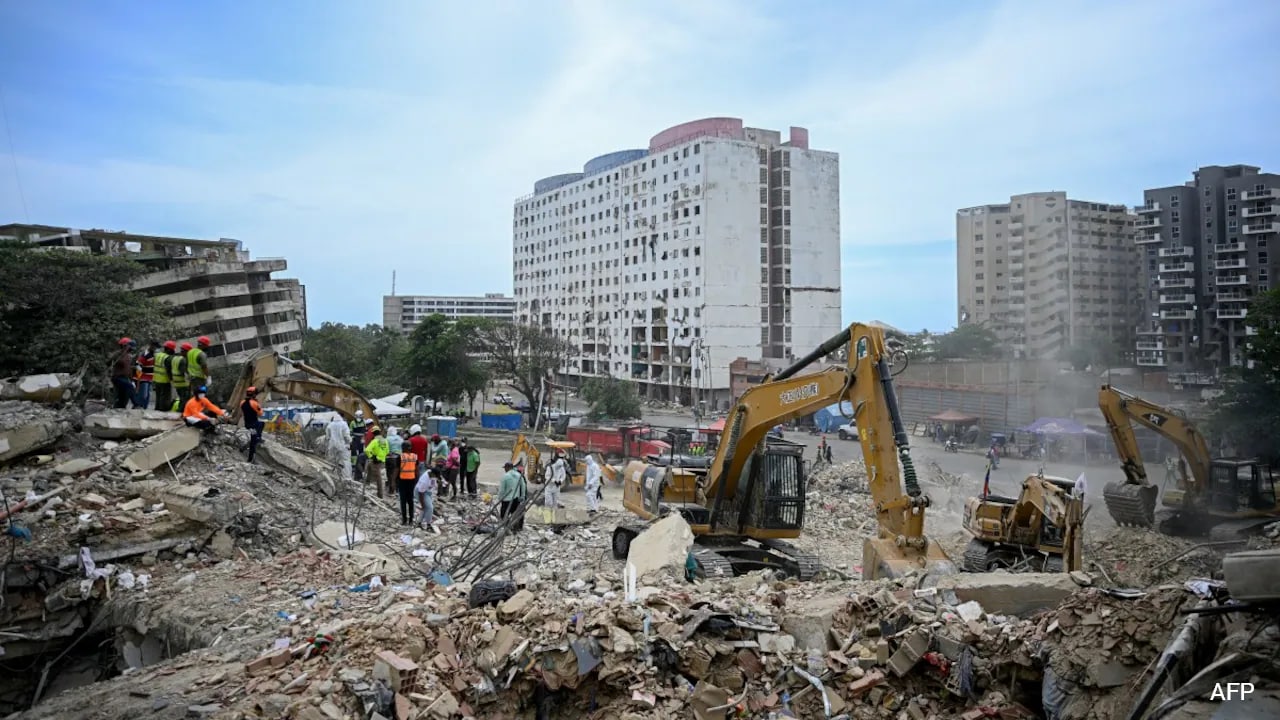
Two catastrophic tremors shattered Venezuela on June 24, and the nightmare refuses to end. Official numbers released by National Assembly chief Jorge Rodriguez put the death toll past 6,125 people. Weeks after magnitude 7.2 and 7.5 shocks flattened coastal communities, recovery efforts crawl forward.
You look at the sheer scale of destruction in states like La Guaira, and you realize official metrics rarely capture the full human cost right away. Hospitals treated nearly 61,000 injured citizens in the aftermath. Rescuers still sift through massive piles of concrete because only a fraction of the debris has actually been cleared. Expanding on this topic, you can find more in: Why Tropical Storm Moke Is Threatening Hawaii Right After Hurricane Lala.
Why the Numbers Keep Rising Weeks Later
Disaster death tolls almost never spike overnight unless a tsunami sweeps everything away. In Venezuela, bodies remain trapped beneath pancaked high-rises and unstable concrete slabs. Heavy machinery arrived late to many isolated zones. Local residents spent the first critical days digging with bare hands and rudimentary tools.
When search teams finally punch through deep pockets of wreckage, they find more victims. That explains why the toll steadily climbed from 3,500 in early July to over 6,000 today. Thousands remain missing, meaning this grim tally might still go up. Experts at The New York Times have also weighed in on this matter.
The Political Fingerpointing and Civilian Frustration
Acting President Delcy Rodriguez faces heavy criticism over the speed and execution of the state response. Survivors and local volunteers argue that military units and emergency agencies lagged behind the crisis.
Food shortages, medical supply bottlenecks, and broken infrastructure delayed urgent help. While international relief teams and foreign field hospitals deployed early on, they eventually packed up or faced logistical roadblocks. Civilians carried the weight of the rescue work during the crucial opening hours, driving home a harsh reality about local disaster preparedness.
Long-Term Threats Facing Survivors
Pulling people out of the rubble marks just the first phase. Right now, Venezuela deals with massive secondary health and environmental crises.
- Contaminated water systems threaten outbreaks of waterborne illness.
- Tens of thousands of displaced residents live in crowded makeshift camps.
- Medical facilities operate way past capacity, struggling with basic supplies.
Dealing with an earthquake of this magnitude requires years of sustained rebuilding. Right now, families just want closure, secure housing, and stable infrastructure that can actually withstand future tectonic stress.
Check local humanitarian relief registries if you want to support direct aid efforts on the ground, or track updates through verified international monitoring organizations to see where resources are needed most.