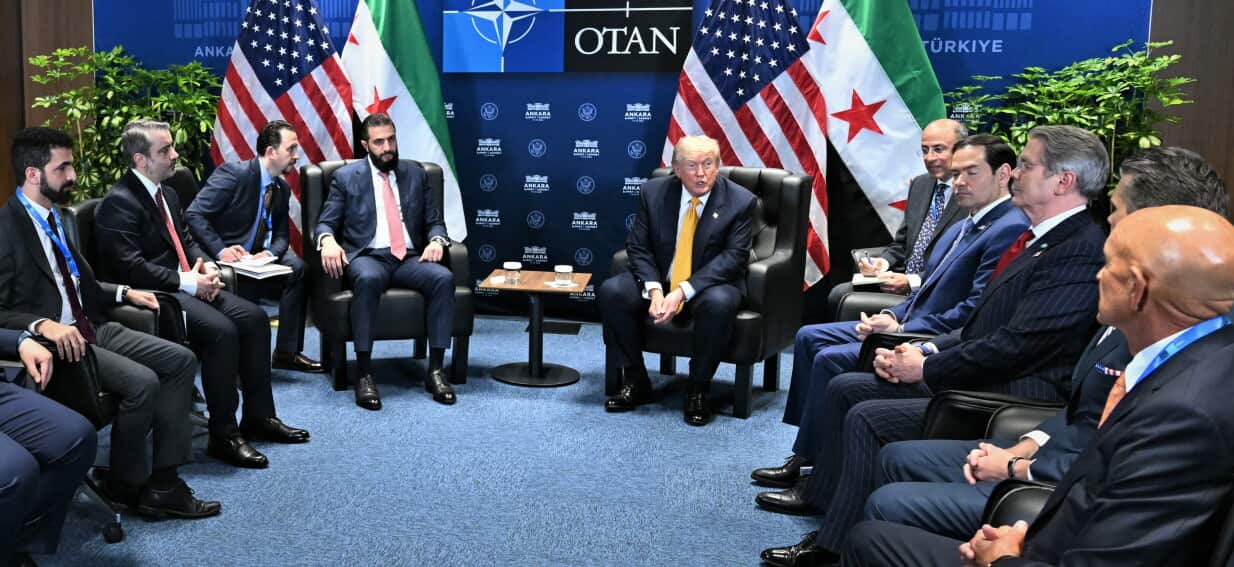
Donald Trump just upended decades of diplomatic norms by signaling a massive shift in how Washington treats its traditional European allies. Spain finds itself directly in the crosshairs. The recent rhetoric coming out of the White House frames Spain not as a valued historical partner, but as a financial free-rider failing to pull its weight in the North Atlantic Treaty Organization.
It's a blunt approach that changes everything. For years, American administrations quietly grumbled about European defense spending behind closed doors. Now, the kid gloves are entirely off. The current administration is treating international alliances less like sacred geopolitical pacts and more like transactional business deals. If you don't pay, you don't get the protection. Spain is learning this lesson the hard way, and the economic fallout could shake the foundations of European trade.
The Real Numbers Behind Spain Defense Spending
To understand why Washington is furious, you have to look at the actual math. Back in 2014, NATO members met in Wales and committed to a specific target. They promised to spend at least 2% of their Gross Domestic Product on defense by 2024.
Spain didn't hit the mark. In fact, they aren't even close.
According to official data published by NATO, Spain allocates roughly 1.2% to 1.3% of its GDP to defense. That places Madrid near the very bottom of the alliance, outperforming only a handful of nations like Luxembourg. When you look at countries like Poland spending over 4% of their GDP, or the Baltic states scraping together every euro to fortify their borders, Washington's frustration makes sense.
Madrid argues that this raw percentage doesn't tell the whole story. Spanish officials constantly point out their active participation in international missions. Spanish troops are stationed in Latvia, they patrol the skies over Lithuania, and they lead UN peacekeeping efforts in Lebanon. They argue that operational commitment matters just as much as a arbitrary budget line. But Washington isn't buying that excuse anymore. The current American policy is simple: numbers talk, intentions don't.
Trade Tariffs as a Geopolitical Weapon
The friction isn't staying confined to military headquarters. It's spilling directly into the global marketplace. The White House is increasingly using trade policy to punish what it views as uncooperative allies.
We are seeing the return of aggressive, targeted tariffs. Spanish agricultural exports—specifically olive oil, wine, and cheese—are incredibly vulnerable. During the previous tariff disputes, Spanish agricultural sectors lost hundreds of millions of euros in American sales within a matter of months. American buyers simply switched to domestic alternatives or imported from countries facing fewer trade barriers.
This transactional diplomacy creates massive instability for businesses. A Spanish olive oil producer in Andalusia shouldn't have to worry about geopolitical posturing in Washington, but today, they must. When trade ties are treated as disposable chips in a defense spending game, everyday industries suffer.
The Structural Breakdown of Transatlantic Trust
This isn't just a temporary disagreement between political leaders. It represents a fundamental structural breakdown in Western alignment. The historical assumption that America will always defend Europe unconditionally is officially dead.
European leaders are waking up to a harsh reality. They realize they can no longer outsource their security to the American taxpayer while funding robust social safety nets at home. This shift forces a massive reevaluation of European strategic autonomy.
French President Emmanuel Macron has championed this concept for years, urging Europe to develop its own independent military capabilities. Spain is now caught in the middle. Madrid wants to maintain its vital economic relationship with the United States, but it cannot ignore the growing pressure from its European neighbors to build a continent that can protect itself.
What Happens Next for Global Businesses
If you manage a business reliant on Spanish-American trade, sitting on your hands isn't an option. Geopolitical risk is no longer theoretical. It affects your bottom line next month.
First, diversify your supply chains immediately. If your business relies heavily on exporting goods to the US market from Spain, you need to look into alternative markets within the European Union single market or expand into Latin America.
Second, factor tariff volatility into your financial forecasting. Assume a baseline increase in import duties and pressure-test your margins to see if your business can survive a sudden 25% tariff on your primary goods.
The era of predictable, stable transatlantic trade is paused. The nations and businesses that survive this shift will be the ones that stop wishing for a return to the old status quo and instead adapt to the transactional reality of modern global politics.