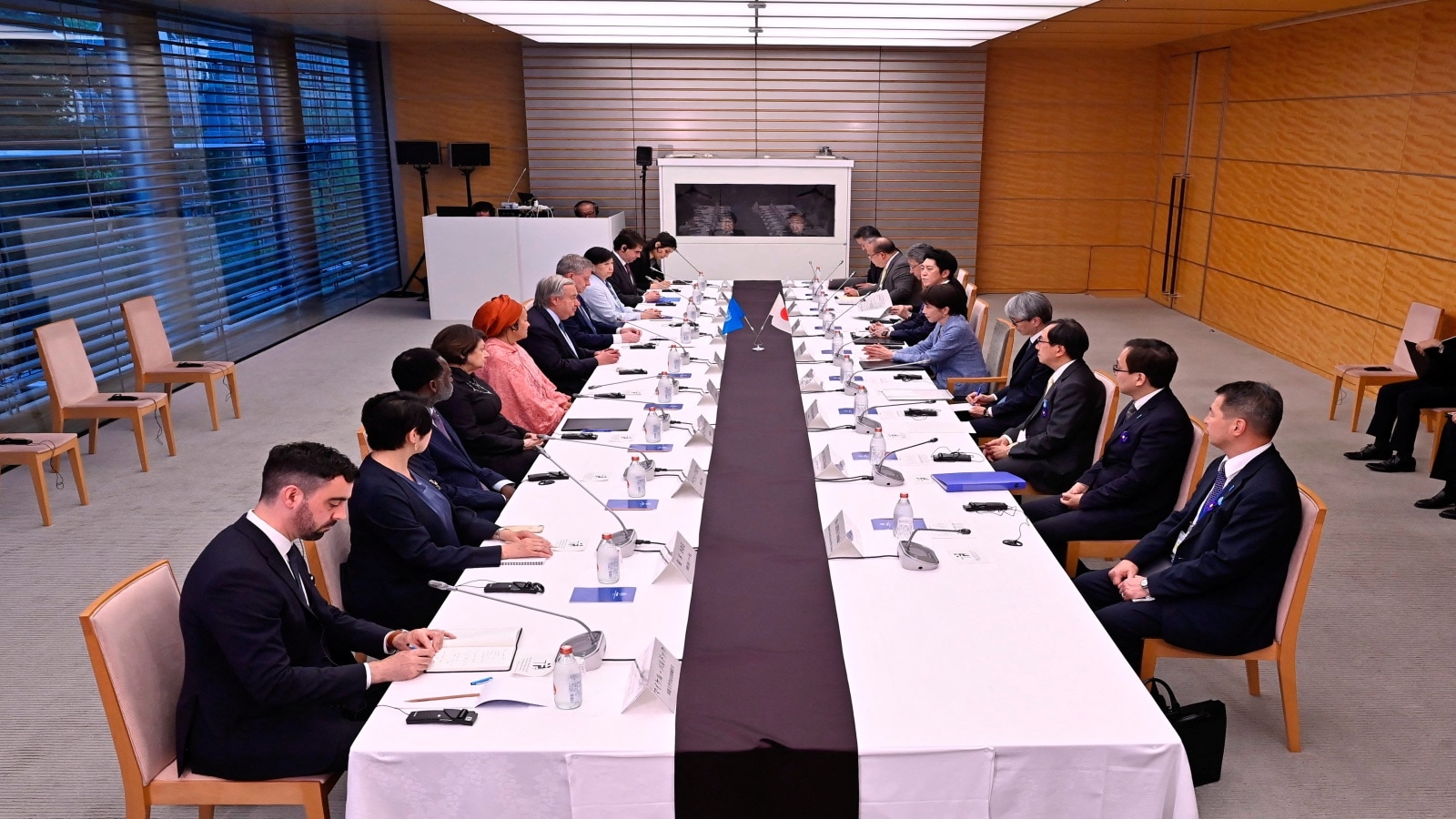
We treat extreme heat like an inconvenience. It isn't. It's a structural crisis, and the way governments, cities, and workplaces respond to rising global temperatures is completely broken. When thermometers break records year after year, handing out bottled water and telling people to stay indoors doesn't cut it anymore. Global leaders and climate scientists are sounding alarms that systemic overhauls are long overdue, yet policy changes crawl while temperatures sprint.
The Myth of the Quick Fix
You've probably heard the standard advice when a heatwave hits. Drink water, wear loose clothing, stay inside during peak hours. That works fine if you have air conditioning, a stable job that lets you stay home, and a home that doesn't trap heat like a brick oven. Millions of people don't have those luxuries.
Relying on individual coping mechanisms ignores the reality of urban design. Cities are concrete blankets absorbing heat during the day and radiating it all night long. If your apartment doesn't cool down overnight, your body never gets a chance to recover. That cumulative stress destroys cardiovascular health, especially for older adults and outdoor workers.
When international organizations like the United Nations push for science-backed action, they aren't just talking about carbon targets. They are talking about redesigning how we build, work, and live.
Why Current Infrastructure Fails
Most of our cities were built for a climate that no longer exists. Power grids buckle under the surge of air conditioning demand, leading to blackouts right when people need cooling the most. Traditional asphalt roads and dark roofs absorb solar radiation, creating urban heat islands that can be up to ten degrees hotter than surrounding rural areas.
Look at how outdoor labor operates. Construction crews, delivery drivers, and agricultural workers are often left to self-regulate in dangerous conditions. Mandatory shaded breaks, heat-adaptive scheduling, and proper cooling gear should be baseline workplace requirements everywhere. Instead, worker safety laws often lag decades behind environmental reality.
What Systemic Action Actually Looks Like
Real solutions require changing the physical fabric of our environment. That means mandatory cool-roof ordinances, massive expansions of urban tree canopies in low-income neighborhoods where heat hits hardest, and retrofitting old housing stock so it doesn't turn into a microwave during summer.
It also means treating heatwaves with the same emergency response protocols we reserve for hurricanes or floods. Early warning systems need to trigger automatic community responses, such as opening free public cooling centers with reliable backup power, deploying mobile health units, and checking on vulnerable residents before hospitals overflow.
We have the technology and the science to cool our cities and protect workers. What's missing is the political urgency to treat extreme heat as the lethal emergency it actually is. Stop waiting for the weather to normalize because normal isn't coming back. Check your local heat-safety ordinances, support community cooling initiatives, and push local leaders to prioritize green infrastructure over concrete expansion before the next temperature spike hits.