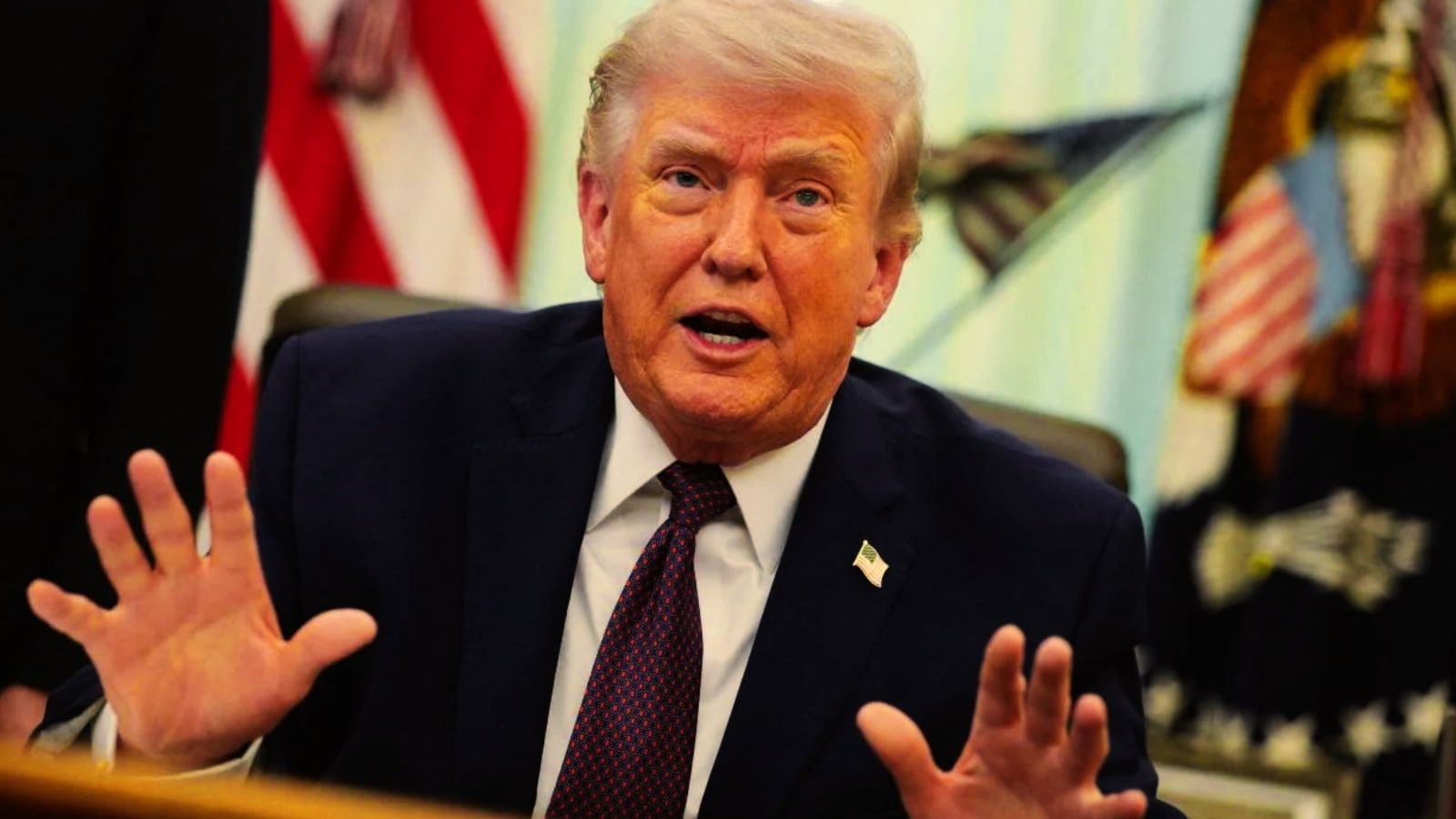
Donald Trump just changed his mind.
On Monday, the president announced he would pull the plug on using federal dollars for a controversial series of television spots. Instead, future airing costs will shift directly to MAGA Inc., his powerful pro-Trump super PAC. This sudden about-face comes right on the heels of heavy bipartisan pushback and legal warnings. Lawmakers from both sides of the aisle questioned the ethics of financing campaign-style commercials with federal money.
Let's look at why this decision happened and what it means for political spending moving forward.
The Backlash Over Government-Funded Spots
The controversy erupted after millions of dollars in federal funding began rolling into television advertising. According to tracking data from AdImpact, the White House rolled out promotional spots via a $20 million contract through the Department of Homeland Security. These spots featured prominent clips of Trump, references to his administration's legislative record, and footage from his Mount Rushmore address.
The kicker? The tags at the end read, "Paid for by the U.S. Government."
Voters noticed. Watchdogs noticed. And politicians in Washington grew furious. Critics immediately pointed out federal laws prohibiting congressionally appropriated funds from being funneled into "publicity or propaganda."
Even members of Trump's own party couldn't defend it. Senate Majority Leader John Thune told reporters he liked the message, but admitted it shouldn't be footed by taxpayers. Texas Republican Senator John Cornyn echoed the sentiment, noting the legal lines were crossed.
The Shift to MAGA Inc.
Faced with mounting pressure and impending legislative blocks, Trump took to Truth Social to clear the air. He stated he would pay for the patriotic ads himself using money raised for MAGA Inc.
The super PAC has deep pockets. By late summer, MAGA Inc. and its affiliated political action committees had amassed massive war chests, setting aside hundreds of millions of dollars for ad campaigns ahead of the midterms. Shifting the financial burden from Uncle Sam to a private political committee eliminates the immediate legal vulnerability of using public funds for self-promotion.
Yet, questions remain. The White House hasn't clarified whether taxpayers will get reimbursed for the ads that already aired. Critics are still skeptical about how transparency will be enforced moving forward.
What This Means for Future Political Advertising
This episode highlights a very old gray area in American politics. Administrations often test the boundaries of executive communication, using official platforms to highlight policy wins. When those communications cross the line into visual glorification of a specific leader, the public eye reacts.
If you are following campaign finance and political strategy, this move signals a pivot back to traditional war chests. Super PACs exist precisely for this reason—to absorb the costs of heavy media blitzes without entangling federal agencies in legal challenges.
Watch how other political actors respond. When the boundaries of public funding stretch too far, the pushback is fast and fierce.