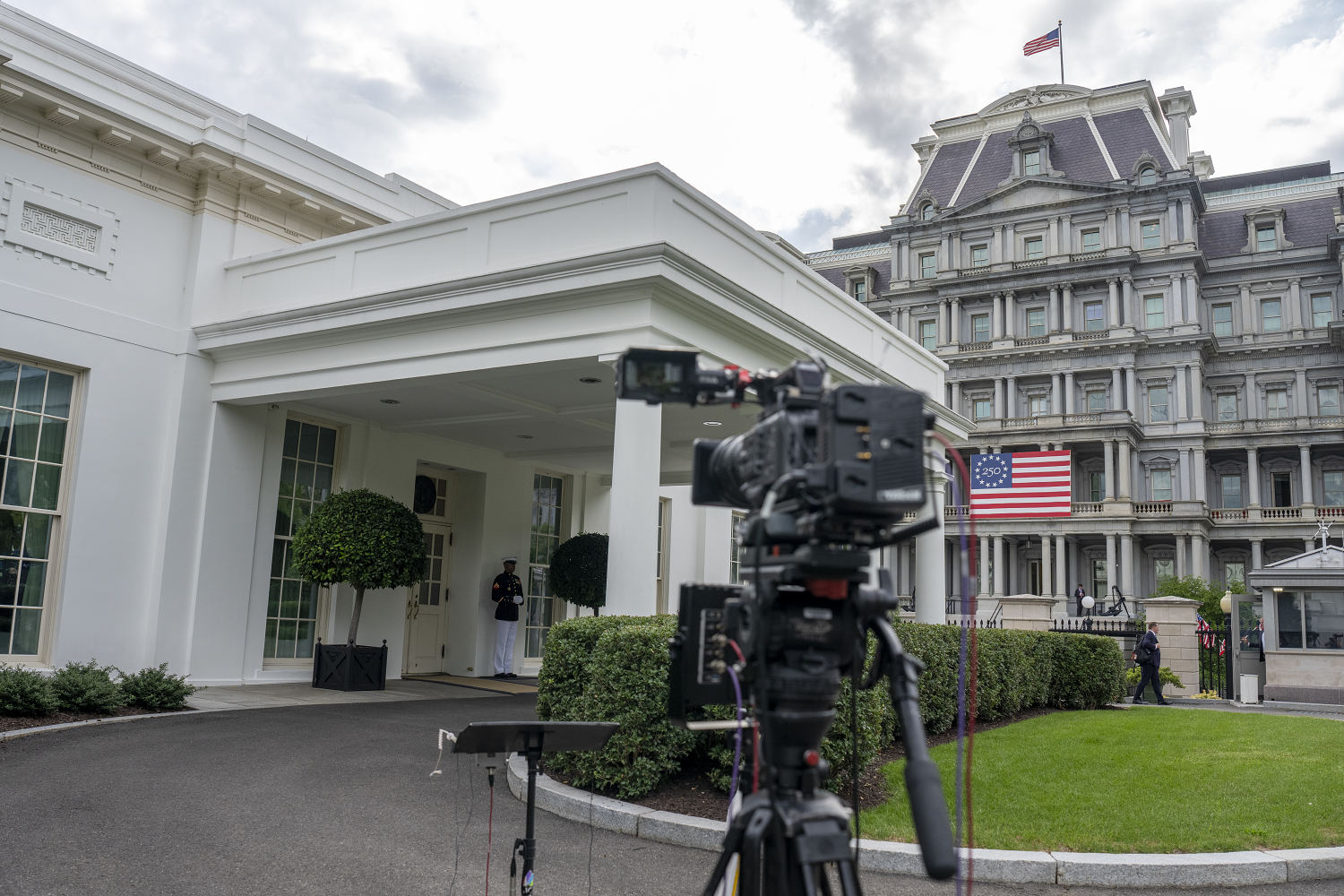
You wake up, check your phone, and see that the executive branch of the United States government has just locked out three major newsrooms because the president doesn't like their tone. This isn't a plot point from a dystopian thriller. It happened on a Saturday morning when reporters from CNN, MS NOW, and Politico showed up to work, swiped their badges, and found out their credentials had been permanently disabled by the Secret Service.
Let's look at what actually went down, why this move is legally explosive, and what it signals for the future of political reporting in America.
How the White House Press Ban Unfolded
On a Friday afternoon, Donald Trump took to Truth Social to drop an unvarnished decree. He announced that effective immediately, CNN, MS NOW (formerly MSNBC), and Politico were barred from the White House complex. He accused them of peddling "fiction and lies" and warned that other outlets could face the exact same fate down the line.
Unlike previous presidential gripes about tough reporting, this wasn't just a verbal jab on social media or a refusal to call on a specific reporter during a press conference. It was a physical lockout.
By Saturday morning, the reality of the ban hit the gates. MS NOW correspondent Akayla Gardner walked up to the White House entrance, swiped her badge, and watched the turnstile refuse to budge. When she asked why, a security guard told her the matter was "above him" and promptly confiscated her credential.
CNN senior White House reporter Betsy Klein ran into the exact same brick wall. Secret Service agents stripped her of her badge without offering any detailed explanation, referring her back to the press office. Over at Politico, White House reporter Cheyenne Haslett faced the exact same treatment, having her press pass pulled on the spot.
The Official Justification Versus Reality
When pressed by reporters about the rationale behind the ban, Trump didn't point to a single retracted story, a major factual error, or a specific libelous claim made by any of the three outlets. Instead, he pointed to a generalized frustration built up over years of coverage. He claimed these organizations purposely generate negative news to undermine his administration and boost his political opponents.
Politico also caught a specific, unverified jab regarding an alleged federal subscription payout under the Biden administration—a claim the publication swiftly and thoroughly debunked.
The administration's stance boils down to a simple argument: the executive branch should not have to host journalists or newsrooms that it views as fundamentally dishonest or hostile. But operating a government building funded by taxpayers is a far cry from running a private office.
Why This Move is Legally Toxic
First Amendment experts didn't waste any time weighing in on the constitutionality of the ban. Seth Stern from the Freedom of the Press Foundation put it bluntly: it's hard to imagine a more blatant constitutional violation than barring specific news outlets from the People's House simply because they criticize those in power.
We've seen this movie before. During his first term, Trump tried to revoke CNN reporter Jim Acosta's press pass after a tense back-and-forth in the Oval Office. CNN sued, and a federal judge ruled that due process and the First Amendment protect journalists from arbitrary retaliation.
More recently, the administration barred the Associated Press from certain events because the wire service refused to adopt the White House's preferred terminology for the Gulf of Mexico. That case wound its way through the courts, landing preliminary victories for the press, though legal battles are ongoing.
When a president targets specific outlets based on the content of their coverage, it triggers what legal scholars call content-based discrimination. The Constitution doesn't give the executive branch the right to curate a compliant press corps. If the government can ban CNN, MS NOW, and Politico today, it sets a chilling precedent that any future administration of any political party can ban any outlet that asks tough questions.
What Happens Next for the White House Press Corps
The retaliation from the affected networks has been swift. CNN released a fierce statement vowing that its reporting will not be deflected or silenced, emphasizing that its duty is to hold public bodies accountable without fear or favor. Politico echoed that sentiment, promising to vigorously defend its constitutional rights.
Meanwhile, the White House Correspondents' Association stepped up to condemn the action, standing in defense of the targeted journalists.
The real test will happen in federal court. Expect immediate legal filings seeking injunctions to force the administration to restore press credentials. Past precedent heavily favors the media in these exact scenarios, but the timeline of a court battle means these reporters could be locked out of physical spaces for months while the legal machinery grinds forward.
If you care about government transparency, this isn't about whether you love or hate CNN, MS NOW, or Politico. It's about whether the press answers to the public or to the politicians they cover. Right now, that line is being tested harder than it has been in decades.