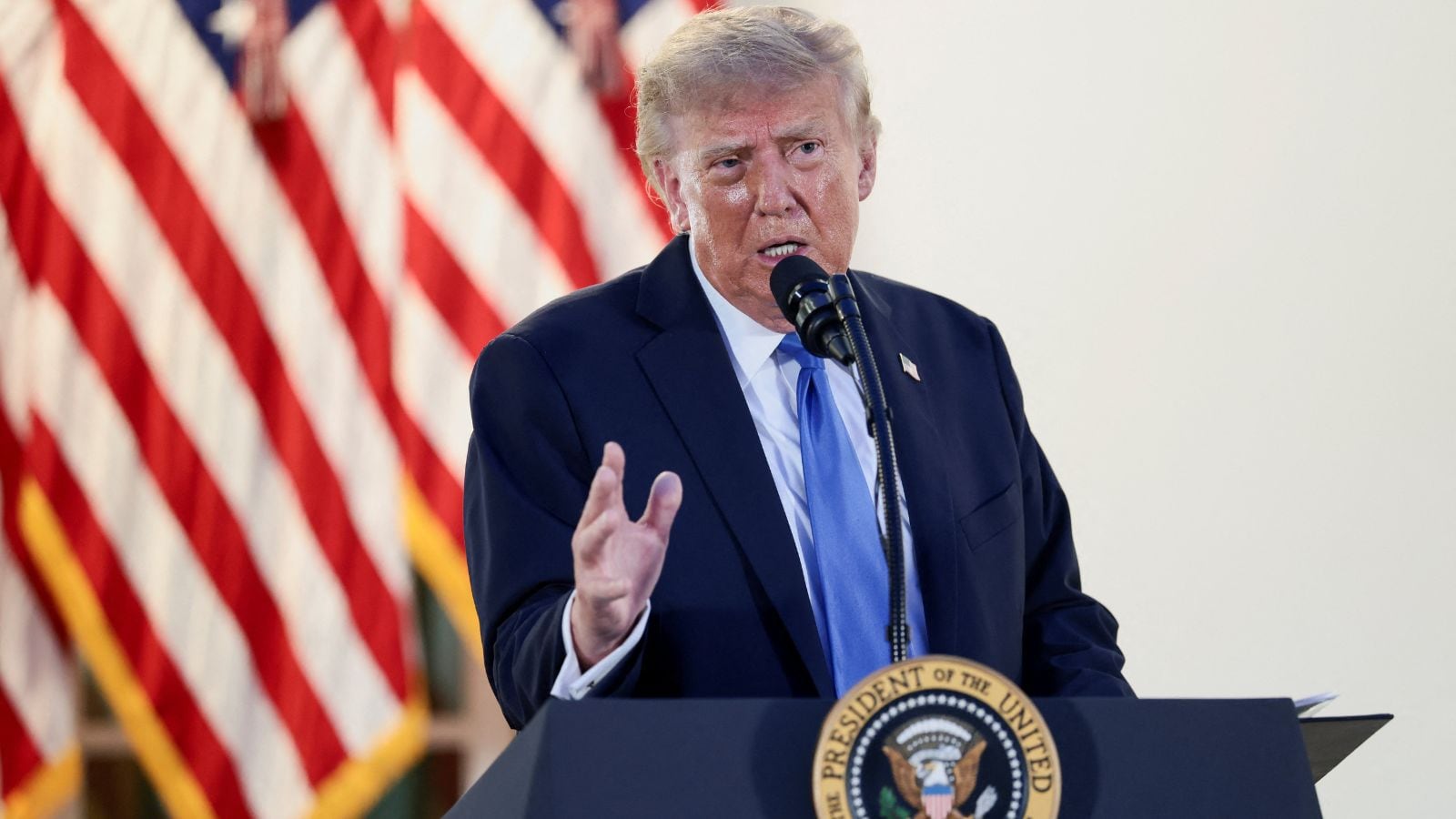
Donald Trump just declared open season on the Washington press corps. In a Truth Social post that sent shockwaves through media boardrooms, the president announced an immediate ban on CNN, MS NOW (formerly MSNBC), and Politico from the White House. He didn't stop there. He threw in a warning that more news organizations are on the chopping block.
If you think this is just another round of political theater, look closer. This move goes far beyond routine media feuds. It hits directly at the architecture of information exchange between the executive branch and the public.
Why These Three Outlets Got the Axe
Trump didn't mince words about his targets. He accused CNN, MS NOW, and Politico of churning out continuous "fiction and lies" regarding his administration. He took a direct swipe at MS NOW's recent rebranding, attributing the name change to plummeting credibility and ratings.
He also singled out Politico over what he characterized as an illegal 8 million dollar government subscription deal secured under the Biden administration. Federal records show those transactions were standard procurement contracts for specialized news products like Politico Pro, which government agencies routinely purchase. But Trump framed the spending as corrupt financial life support.
The First Amendment Clash You Saw Coming
The legal battle lines were drawn almost before Trump finished typing his post. Major newsrooms aren't rolling over. CNN issued a sharp statement defending its White House team, calling any enacted ban an illegal assault on constitutionally protected reporting rights under the First Amendment. Politico echoed that sentiment, promising to vigorously defend its access.
Constitutional experts are already dusting off precedent. Under cases like Sherrill v. Knight, courts have previously established that once the government opens press facilities, it can't arbitrarily deny access based on the viewpoint of a reporter's coverage. Yet the Trump administration has already tested these boundaries. Last year, the White House restricted Associated Press journalists from select events over an editorial dispute regarding the naming of the Gulf of Mexico, sparking an ongoing federal court battle that remains unresolved.
What the White House Press Pool Looks Like Now
The traditional five-network television pool relies on shared access to document the president's movements. Banning CNN disrupts that collaborative structure entirely. When Trump spoke to remaining reporters in the Oval Office following his announcement, he doubled down on his frustration with hostile coverage. He argued that the public deserves "honest news" and claimed these outlets act purely to diminish Republican governance.
Critics in Congress aren't staying quiet either. Democratic lawmakers have labeled the action blatant censorship, warning that isolating critical journalists degrades government accountability. Meanwhile, conservative defenders argue that a president has no obligation to host reporters who operate in bad faith.
This standoff isn't going to resolve itself through polite debate. It’s heading straight back to federal court, and the outcome will redefine the legal limits of presidential authority over media access for decades.