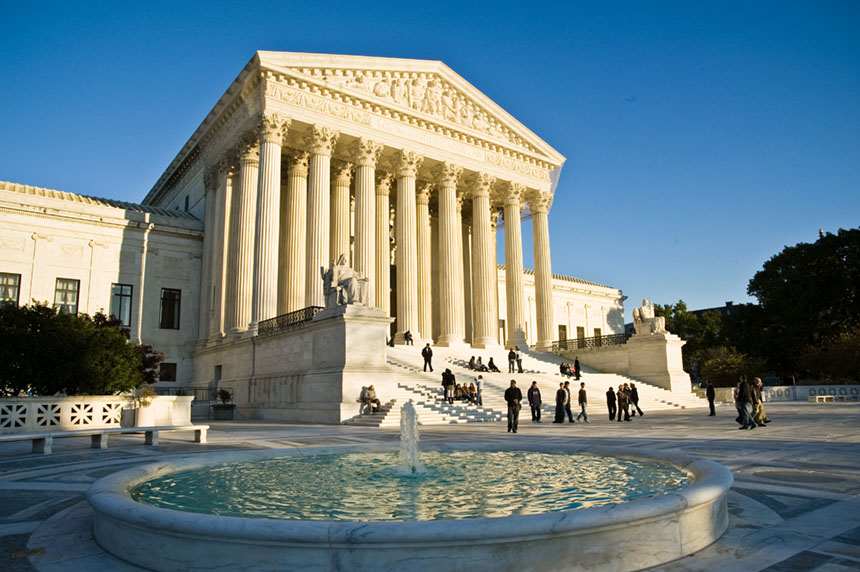
The Fourteenth Amendment doesn't whisper. It commands. Yet executive planners keep trying to rewrite jus soli by memo.
Federal courts are blocking yet another administration push targeting birthright citizenship. Following the Supreme Court's June 2026 rejection of the initial 2025 executive restrictions (Trump v. Barbara), new administrative directives emerged, and district judges immediately slammed the brakes. If you're tracking immigration compliance, passport issuance, or hospital birth records, forget the headlines—the constitutional baseline hasn't shifted an inch.
What the Latest Court Orders Actually Do
Federal district courts issued preliminary injunctions freezing the newer enforcement rules from Department of Homeland Security and related agencies.
- Who is protected: Newborns on U.S. soil whose parents lack permanent status or citizenship remain recognized U.S. citizens at birth.
- Agency reach: Passport offices, Social Security administration desks, and vital statistics bureaus cannot enforce the exclusion guidelines while litigation proceeds.
- The legal mismatch: Executive orders attempt to reinterpret "subject to the jurisdiction thereof." Courts keep ruling that historical practice (United States v. Wong Kim Ark, 1898) and core Fourteenth Amendment text bar executive carving-out of domestic-born children.
Why the Administration Keeps Pushing This Angle
Legal teams backing the executive orders rely on a narrow structural read: children born to non-citizens temporarily or unlawfully present owe allegiance elsewhere. Justice Alito floated similar historical separation points in dissent during earlier high-court reviews.
The strategy treats Supreme Court precedent as open to re-litigation if administrative definitions get re-packaged into agency regulations rather than raw presidential proclamations. Fragomen and immigration policy monitors note that DHS rolled out supplementary implementation text right as judicial injunctions dropped, signaling a long-tail legal war rather than a sudden white flag.
Practical Realities for Families and Hospitals
Confusion hits birth certificate processing desks first.
If you work in healthcare administration or immigration advocacy:
- Hospital birth packets do not change standard birth certificate intake logic for domestic births. State Vital Statistics departments operate under state constitutional and federal judicial mandates requiring birth registration regardless of parental status.
- Passport applications for newborns born to non-citizen or temporary visa holders follow standard consular and domestic State Department rules post-Barbara. Expect administrative lag, not a policy-driven denial.
- Class-action safety nets (such as extended rulings from prior dockets like CASA v. Trump or current district injunctions) cover broad classes automatically, meaning families don't file individual petitions to get baseline recognition respected.
Where Congress Fits Into the Broken Loop
The executive branch hits a ceiling because constitutional text binds federal agencies. To change birthright rules constitutionally, lawmakers need a constitutional amendment—dead on arrival given current state ratification math—or statutory re-interpretation that survives strict scrutiny.
House GOP panels continue exploring statutory definitions for "jurisdiction," debating whether Congress can legally restrict statutory citizenship under 8 U.S.C. § 1401. Even if Congress passes a restrictive statute, expect an immediate emergency docket challenge before the ink dries.
Stop treating each new executive memo as a silent legal revolution. Courts read the Fourteenth Amendment literally. Babies born here are citizens. Plan compliance workflows accordingly.
Judge Blocks Donald Trump Citizenship Order | NDTV World 24x7 provides historical video context on how federal district judges initially framed and blocked the administration's citizenship executive order strategy from day one.


